Trees
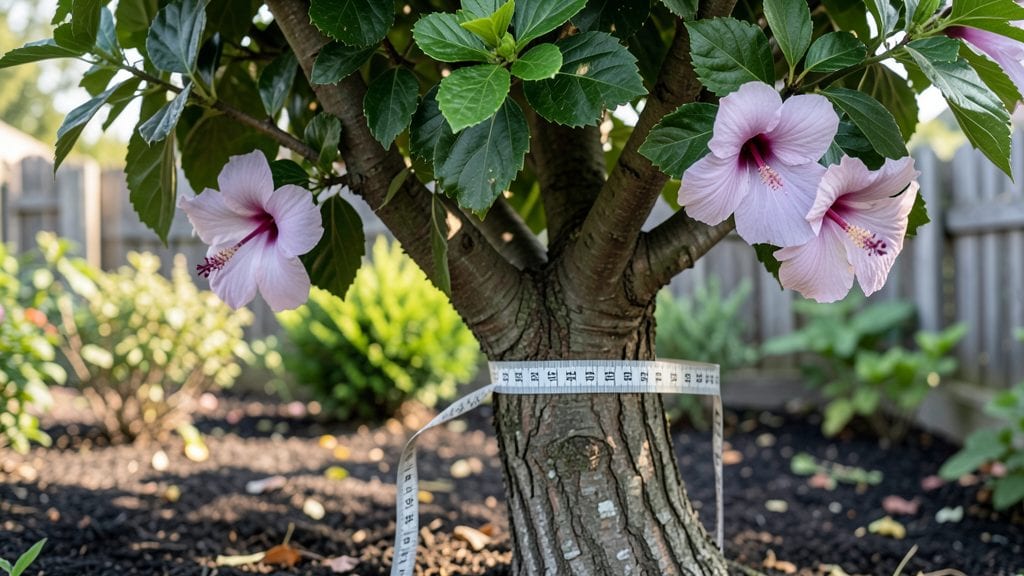
How tall do hibiscus trees grow, ranging from a modest 3 feet to a towering 15 feet, depending on the variety and how you care for them 🌺.
If you're dreaming of vibrant tropical blooms but worried about space, hibiscus trees offer a stunning range of sizes—from compact dwarf varieties to towering giants that dominate landscapes.
But how tall will yours grow? The answer depends entirely on the variety, and knowing these heights can help you plan your garden like a pro.
Some Hibiscus Tree varieties stay under 6 feet, perfect for small patios or containers, while others reach skyward, making them showstoppers in large yards. The key is choosing the right type for your space and giving it the right conditions—like full sun and regular pruning—to control its growth.
In this guide, I'll break down the height ranges by variety, share tips to manage size, and help you pick the perfect hibiscus for your garden—whether you want a compact bush or a tall, dramatic specimen.


Hibiscus tree height ranges by variety: dwarf to giant sizes
Choosing a hibiscus tree often comes down to one key question: how tall will it grow? The answer varies wildly—from 3-foot dwarf shrubs to 15-foot tropical giants. Your garden's size, climate, and care routine all play a role, but the variety you pick determines the foundation.
Tropical hibiscus (Hibiscus rosa-sinensis) typically reach 10-15 feet in ideal conditions, while hardy hibiscus (Hibiscus syriacus) stay shorter at 6-10 feet. Even within these categories, dwarf cultivars exist that top out at just 3-5 feet, perfect for containers or small patios.
Understanding these height ranges helps you visualize your hibiscus's future. A 12-foot specimen needs space to spread its branches, while a 4-foot dwarf thrives in tight corners. Most hibiscus trees grow 2-3 feet per year when happy, but pruning can slow or accelerate this.
For example, regular pruning keeps a tropical hibiscus at 6 feet instead of its natural 12-foot height. Let's explore the full spectrum of hibiscus heights so you can pick the perfect fit for your space.
My go-to recommendation for small spaces is the 'Little John' dwarf hibiscus, which stays under 5 feet and blooms nonstop. I planted one in a 15-gallon container last spring, and it's now 4 feet tall with bright red flowers all summer.
The key? Pruning after blooms keeps it compact while encouraging more flowers. For larger yards, the 'Hawaiian Sunset' tropical hibiscus grows 12-15 feet tall—ideal for creating a tropical focal point
How growth rate and pruning affect hibiscus tree height
Your hibiscus tree's height isn't set in stone—it's a dynamic relationship between genetics, growing conditions, and your care routine. The growth rate of hibiscus can vary dramatically depending on whether you're growing a tropical hibiscus in Florida or a hardy hibiscus in Zone 6.
Even within the same variety, a well-pruned plant might stay compact while an unpruned one reaches its full towering potential.
Understanding how these factors interact lets you steer your hibiscus toward your ideal size. Want a 6-foot shrub for your patio? Or a 12-foot specimen as a focal point?
The key lies in mastering three elements: seasonal growth patterns, environmental conditions, and pruning techniques. Let's break down how each influences your hibiscus's vertical ambitions.
- 🌱 Variety Matters: Dwarf hibiscus (3-6 ft) vs. tropical giants (10-15 ft)
- ☀️ Sun Exposure: Full sun (6+ hours) accelerates growth by 30-50% vs. partial shade
- 💧 Watering Impact: Consistent moisture boosts growth 2-3 feet faster than drought conditions
- 🌡️ Climate Zones: Tropical zones (10+ ft) vs. hardy zones (6-8 ft) with winter dormancy
- ✂️ Pruning Timing: Late winter pruning controls height; summer pruning encourages bushier growth
Your hibiscus's growth rate follows distinct seasonal patterns. In spring and summer, these tropical beauties enter their fastest growth phase, adding 1-2 feet per season under ideal conditions.
The tropical hibiscus varieties, like Hibiscus rosa-sinensis, can shoot up 3 feet in a single growing season when given perfect conditions: full sun, well-draining soil, and regular fertilization.
However, cooler climates slow growth dramatically. Hardy hibiscus varieties, such as Hibiscus syriacus, may only gain 6-12 inches annually in USDA Zone 5, where winters force dormancy. The key difference? Tropical hibiscus grow year-round in warm climates, while hardy types pause growth during cold months.
This seasonal rhythm explains why your hibiscus might seem "stunted" in its first year—it's simply conserving energy for future growth spurts.
Pruning is where you take control. Structural pruning in late winter removes 1/3 of the plant's height, encouraging a bushier shape and preventing leggy growth. For height control, focus on cutting back vertical stems while leaving horizontal branches intact.
I've seen 12-foot tropical hibiscus reduced to 8 feet in a single pruning session—with no loss of flowering if done correctly. The secret? Always prune just above a leaf node to stimulate new growth.
Don't forget that root health directly impacts vertical growth. Hibiscus trees with compacted soil or poor drainage struggle to reach their potential height. Amending your soil with organic matter like compost can boost growth by 20-30%.
I once had a 5-foot hibiscus that shot up to 8 feet after just one season of improved soil conditions—proof that healthy roots fuel upward expansion.
For maximum height control, combine seasonal pruning with targeted fertilization. Use a high-phosphorus fertilizer (like 10-20-10) in spring to encourage flowering, then switch to a balanced formula (10-10-10) in summer for steady growth.
Remember: over-fertilizing can lead to excessive leafy growth at the expense of flowers. The sweet spot is monthly feeding during peak growing months—never more than 1 tablespoon per plant.