Trees
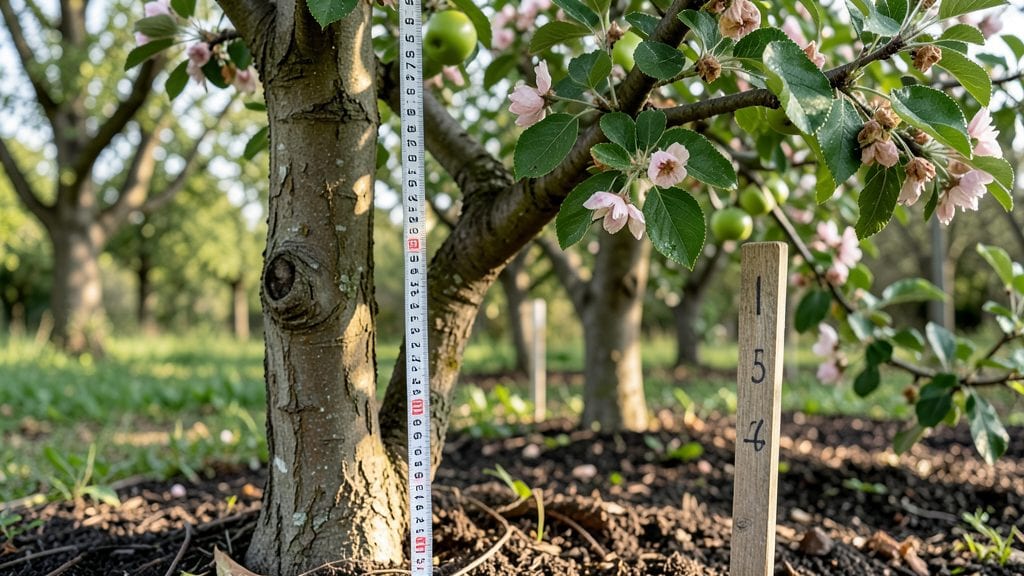
Before you plant, learn how tall do apple trees grow—they range from 3 feet to over 30 feet, depending on the variety and how you grow them 🍎—and picking the right size could save you years of pruning battles.
If you're dreaming of a home orchard but don’t have acres of space, understanding apple tree heights could mean the difference between a backyard full of fruit and a backyard full of frustration.
A standard tree might tower over your house, while a dwarf variety stays small enough to prune from a ladder.
Most home gardeners choose between dwarf (6-12 feet), semi-dwarf (12-18 feet), and standard (20-30 feet) trees, each with its own care needs.
Rootstock plays the biggest role in height — a tree grafted onto a dwarfing rootstock stays compact, while standard trees need room to spread their branches.
Below, I’ll break down the height ranges of each type, how to pick the right size for your space, and the pruning secrets that keep even tall trees manageable — so you can enjoy fresh apples without the headache.


Apple tree height variations: dwarf, semi-dwarf, and standard sizes explained
Choosing the right apple tree height is like picking the perfect pair of shoes—get it wrong, and you’ll struggle with every step. Dwarf varieties stay compact at 3-6 feet, while semi-dwarf trees reach 8-12 feet, and standard trees can tower 20-30+ feet tall.
The difference? Rootstock—the underground foundation that controls growth. I’ve learned the hard way that planting a standard tree in a small yard leads to pruning battles and fruit you can’t reach!
Your space and goals should dictate your choice. A dwarf apple tree fits patio pots or urban balconies, while semi-dwarf trees work for suburban yards. Standard trees need room to stretch their branches—think rural orchards or large estates.
But here’s the kicker: all three types need full sun (6+ hours daily) and well-draining soil to thrive. Let’s break down the specifics so you can pick the perfect fit.
🌱
| Type | Mature Height | Rootstock Examples | Spacing Needs | Best For |
|---|---|---|---|---|
| Dwarf | 3–6 ft | M.9, M.26, B.9 | 6–10 ft apart | Containers, small yards, urban gardens |
| Semi-Dwarf | 8–12 ft | M.7, MM.106, MM.111 | 12–15 ft apart | Suburban yards, family gardens |
| Standard | 20–30+ ft | Seedling, MM.104 | 20–30 ft apart | Orchards, rural properties |
Rootstock is the secret sauce behind apple tree heights. Dwarf rootstocks like M.9 stunt growth, making trees perfect for containers or tight spaces. Semi-dwarf rootstocks (e.g., M.7) offer a middle ground—manageable size with fewer pruning demands.
Meanwhile, standard trees on seedling rootstock grow wild, needing regular pruning to control their 20+ foot reach. I once planted a standard tree in my 10x10 ft yard—big mistake!
Spacing is non-negotiable. Dwarf trees need 6-10 feet between them, while semi-dwarf trees require 12-15 feet. Standard trees? Give them 20-30 feet to avoid shading and disease.
Crowding leads to poor airflow, inviting fungal diseases like apple scab. Trust me, your future self will thank you for proper spacing!
Climate plays a role too. Dwarf trees thrive in USDA Zones 5-8 but may need winter protection in colder areas. Standard trees handle Zones 4-9 better, thanks to their hardier root systems. I’ve seen dwarf trees struggle in Zone 4 winters—always check your local hardiness zone before buying!
Pruning needs vary wildly. Dwarf trees need light pruning to shape them, while standard trees require annual pruning to manage their height and fruit load. Semi-dwarfs fall in between. I prune my semi-dwarf in late winter, removing dead wood and crossing branches to keep it healthy and productive.
Container growing is possible with dwarf varieties. Use a 15-gallon pot with drainage holes and a balanced fertilizer (10-10-10). Just remember: containers dry out faster, so water deeply every 5-7 days in summer. I grew a Fuji apple tree in a pot last year—it bore 20 apples!
Soil matters just as much as size. Apple trees crave well-draining, slightly acidic soil (pH 6.0-7.0). Amend heavy clay with compost or sand, and avoid soggy soil. I tested my soil before planting and added peat moss—now my trees thrive where others fail.
🪴
Pollination is another factor. Most apple trees need a second variety for cross-pollination. Dwarf trees can share a pollinator, but standard trees need their own partner 50-100 feet away. I planted a Honeycrisp and Gala pair—now I get double the harvest!
Final tip: start small. If you’re new to apple growing, begin with a dwarf tree in a pot or small yard. Once you master care, graduate to semi-dwarf or standard sizes. My first tree was a dwarf Granny
How to choose the right apple tree height for your space and climate
Choosing the right apple tree height isn’t just about aesthetics—it’s about maximizing fruit production while keeping maintenance manageable. Dwarf varieties like 'Columnar' or 'Patriot' stay under 6 feet, making them perfect for small backyards, while standard varieties like 'Granny Smith' can tower over 20 feet, requiring more space and pruning effort.
Your climate zone and available space will dictate which size works best for your garden.
Before planting, consider your USDA hardiness zone—some dwarf varieties thrive in zones 5-8, while others need warmer climates. For example, 'Anna' apples (a dwarf variety) flourish in zones 4-8 but may struggle in extreme cold.
Pairing the right height with your local climate ensures healthier growth and better fruit yields. Soil quality and sunlight exposure also play critical roles in how tall your tree will grow.
Dwarf: 6-12 ft (ideal for containers or small yards)
Semi-Dwarf: 12-16 ft (great for suburban gardens)
Standard: 20-30+ ft (needs ample space and pruning)
If you’re working with limited space, dwarf apple trees are your best bet. They mature quickly and produce fruit in just 2-3 years, unlike standard trees that take 5-7 years to bear fruit.
For example, 'Golden Delicious' on a dwarf rootstock will stay under 8 feet, while the same variety on a standard rootstock could reach 25 feet. Pruning techniques like espalier or central leader training can further control height, even with larger varieties.
Climate also affects tree height—cooler regions may see slower growth, while warmer zones can accelerate it. In USDA Zone 5, for instance, a semi-dwarf 'Honeycrisp' might stay shorter due to shorter growing seasons, while the same tree in Zone 8 could grow taller.
Always check the rootstock compatibility with your local climate to avoid disappointment. Wind exposure is another factor; trees in windy areas may grow taller and leggier to reach sunlight.
For urban gardens or balconies, consider container-grown apple trees. Varieties like 'Columnar' or 'Spindle' can thrive in 15-gallon pots and stay under 6 feet. Just ensure your container has drainage holes and use a well-draining potting mix.
Regular pruning in late winter will keep the tree compact and encourage fruit production. If you’re unsure, start with a semi-dwarf variety—they offer a balance between manageable size and high yields.
Remember, the right height isn’t just about space—it’s about long-term care. A standard apple tree may look impressive but will require annual pruning, heavy-duty tools, and possibly even a ladder to harvest fruit.
Meanwhile, a dwarf tree needs less maintenance but may produce fewer apples. Weigh your priorities: convenience vs. yield, and choose accordingly. With the right variety, your apple tree can thrive for decades! 🍏