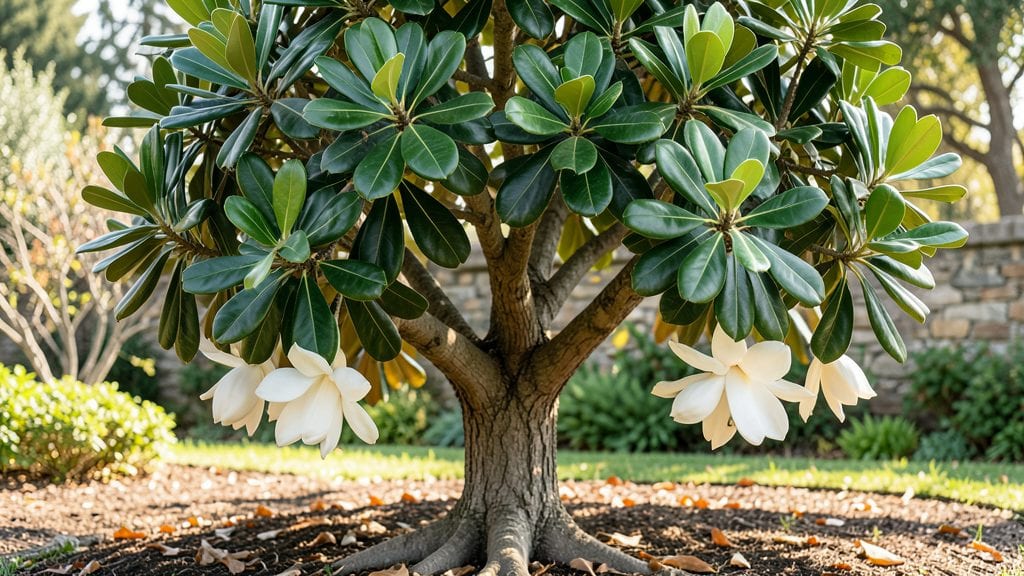
How Big Does a Magnolia Tree Grow: Height, Spread & Variety-Specific Guide

Size

How Big Does a Magnolia Tree Grow: Height, Spread & Variety-Specific Guide

A magnolia tree grows anywhere from 10 feet to towering 80 feet tall, depending on the variety and growing conditions — and that size difference can change your entire yard plan.

If you're dreaming of a majestic magnolia tree 🌳 in your yard but worried about space constraints, understanding its growth potential is key — some varieties stretch taller than a three-story building while others stay compact enough for small gardens.

Southern magnolias (Magnolia grandiflora) often reach 60 to 80 feet, making them more suited for large properties, while star magnolias (Magnolia stellata) max out around 15 to 25 feet, perfect for cozy front yards.

Below, I break down the height and spread of popular varieties, what factors control their growth, and how to choose the right one for your space — so you can plant with confidence.

Dwarf
8-12 ft
Container friendly
Semi-Dwarf
15-25 ft
Most popular
Standard
30-80 ft
Full orchard size

Average Magnolia tree size by variety: height and spread comparison

Choosing the right magnolia variety is like picking the perfect house—you want something that fits your space while making a statement. Some magnolias grow as tall as a 6-story building, while others stay small enough for a postage-stamp garden.

The Southern magnolia (Magnolia grandiflora) is the giant of the group, while dwarf varieties like Magnolia 'Black Tulip' stay under 10 feet tall. Let’s break down the mature sizes so you can pick the perfect fit for your landscape.

Understanding a magnolia’s growth potential helps you plan for pruning needs, root space, and even power line clearance. Most magnolias reach 50-60% of their mature height within 10 years, but some dwarf varieties mature in just 5 years.

Below, you’ll find a detailed comparison of popular magnolias, including their height, spread, and ideal growing conditions to help you visualize their impact in your yard.

🌳

Variety Common Name Mature Height (ft) Mature Spread (ft) Growth Rate Best For
Magnolia grandiflora Southern Magnolia 60-80 ft 30-40 ft Slow to Moderate Large estates, privacy screens
Magnolia stellata Star Magnolia 15-25 ft 15-20 ft Moderate Medium yards, ornamental focal points
Magnolia 'Little Gem' Little Gem 20-25 ft 8-12 ft Moderate Small to medium yards, narrow spaces
Magnolia 'Black Tulip' Black Tulip 8-12 ft 6-8 ft Slow Containers, small gardens, patios
Magnolia 'Saucer' Saucer Magnolia 15-20 ft 15-20 ft Moderate Medium yards, specimen planting
Magnolia 'Jane'

Factors that influence Magnolia tree growth size

Magnolia trees are stunning additions to any landscape, but their growth size can vary dramatically based on several key factors. From sunlight exposure to soil quality, each element plays a role in determining whether your magnolia will reach 80 feet or stay a manageable 10 feet.

Understanding these factors helps you make informed decisions before planting, ensuring your tree thrives without outgrowing its space.

One of the most critical factors is sunlight exposure. Most magnolia varieties thrive in full sun to partial shade, but too much direct afternoon sun—especially in hot climates—can stress the tree and stunt its growth.

For example, Magnolia grandiflora (Southern magnolia) prefers morning sun and afternoon shade, while Magnolia stellata (Star magnolia) tolerates more shade, making it ideal for smaller yards with limited light.

Key Factors Affecting Magnolia Tree Size

  • Sunlight: Full sun to partial shade; avoid harsh afternoon sun in hot zones.
  • Soil: Well-draining, acidic soil (pH 5.0-6.0) promotes healthier growth.
  • Pruning: Prune in late winter to shape growth; avoid heavy pruning on young trees.
  • Climate: Warmer zones (USDA 6-9) support faster growth than colder regions.
  • Variety: Dwarf varieties (e.g., Little Gem) stay under 25 ft; standard types reach 60+ ft.

🌱 Pro Tip: Test soil pH before planting—magnolias hate alkaline soil!

Soil type is another game-changer. Magnolias prefer well-draining, slightly acidic soil with a pH between 5.0 and 6.0. Heavy, clay soils can suffocate roots, leading to stunted growth or even root rot.

Amend your soil with compost or peat moss to improve drainage and fertility. If your soil is alkaline, consider planting in a raised bed or using sulfur-based amendments to lower the pH gradually.

Pruning techniques also influence how tall and wide your magnolia grows. Light pruning in late winter or early spring encourages bushier growth, while heavy pruning can stress the tree and slow its development. Avoid pruning in fall, as this can stimulate new growth that won’t harden off before winter.

For dwarf varieties, prune selectively to maintain their compact shape, while larger varieties like Magnolia grandiflora benefit from occasional structural pruning to remove dead or crossing branches.

Climate plays a significant role in magnolia growth. Trees in warmer USDA zones (7-9), such as the Southeast or California, grow faster and reach their mature size more quickly.

In cooler zones (5-6), like the Pacific Northwest, growth may be slower, and trees might stay smaller unless given extra care. For example, Magnolia stellata thrives in cooler climates, while Magnolia grandiflora struggles in areas with harsh winters or frost pockets.

Finally, the variety you choose is the most direct factor in determining size. Dwarf magnolias, like Magnolia 'Little Gem' or Magnolia 'Black Tulip', max out at 15-25 feet, making them perfect for small yards or containers.

In contrast, standard varieties like Magnolia grandiflora can tower over 60-80 feet if given ideal conditions. Always check the mature size of your chosen variety before planting to avoid surprises down the road.

★★★★★4.8(1 review)
Categories Size