
Blooming
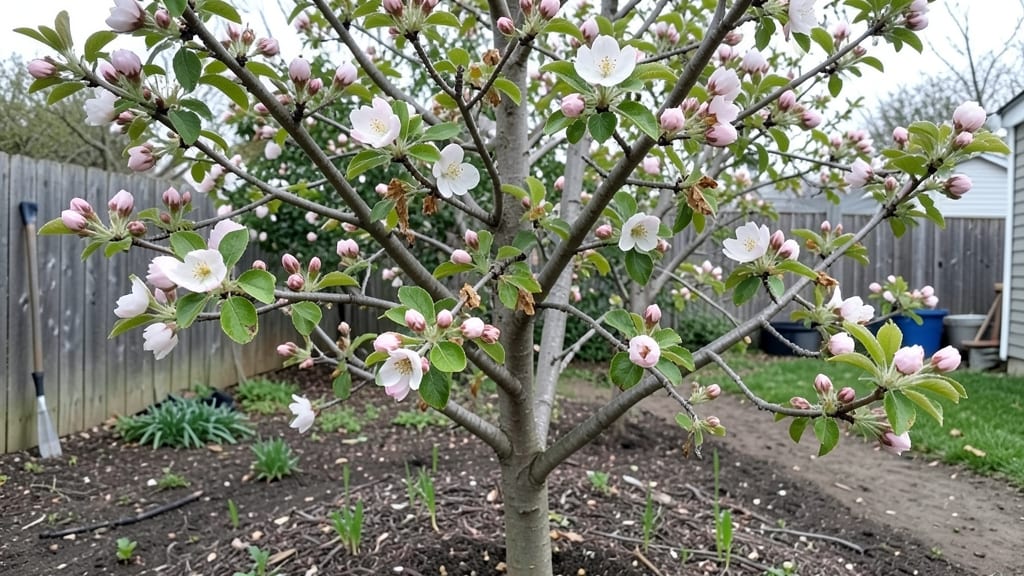
Honeycrisp apple tree blossoms arrive with that unmistakable spring perfume—like candy mixed with sunshine—right when your garden needs a burst of color and hope. 🌸 I’ve watched mine transform from tight buds to delicate pink-and-white blooms over just three weeks, and timing everything right makes all the difference between a bumper crop and a sad harvest.
The key is knowing when to expect those blossoms in your zone, and how to protect them from late frosts or hungry pests.
In most of the U.S., Honeycrisp trees burst into bloom between late April and early May, but that shifts north to south—think mid-May in Zone 4 and March in Zone 8.
That’s when you’ll want to keep an eye out for those iconic five-petal flowers, because once they open, they’re only good for 7-10 days before turning into tiny apples.
Prune last year’s branches now to improve airflow, and set up frost cloths if your area still gets chilly nights after the buds swell.
What you’ll end up with is a tree heavy with crisp, sweet-tart fruit by fall—if you time everything right. The blossoms need gentle rain or a light watering to set fruit, but too much water can cause them to rot.
A quick spray of neem oil before they open deters codling moths, and planting a few bee-friendly flowers nearby ensures pollination. The payoff? Honeycrisp apples so perfect, your neighbors will ask for cuttings.
Works for backyard orchards, container-grown trees, or even a single Honeycrisp as a focal point. Here’s how to make the most of that fleeting, fragrant window when your tree’s future harvest is decided.
📚 In This Guide
- What you need
- Instructions
- Tips and common mistakes
- Wrapping up and next steps
What you need
- ● Honeycrisp apple tree: Choose a dwarf, semi-dwarf, or standard variety (1-3 years old) from a reputable nursery. Quantity: 1 tree per planting site.
- ● Well-draining soil: Mix 50% native soil with 30% compost and 20% perlite/sand for optimal drainage.
- ● Organic fertilizer: 10-10-10 NPK ratio (e.g., balanced fruit tree fertilizer) or compost tea for slow-release nutrients.
- ● Mulch: 3-4 inches of wood chips or straw to retain moisture and suppress weeds.
- ● Garden trowel or spade (for digging planting holes).
- ● Watering can or hose with a gentle spray nozzle (avoid high pressure).
- ● Pruning shears (sterilized with rubbing alcohol).
- ● Garden gloves (to protect hands from thorns and soil).
- ○ pH testing kit (optional but helpful—ideal soil pH: 6.0–7.0).
- ● Sunlight: 6–8 hours of full sun daily (partial shade in hot climates).
- ● Climate: Plant in USDA Hardiness Zones 3–8 (Honeycrisp thrives in cool to moderate climates).
- ● Spacing: 15–25 feet apart for standard trees; 8–12 feet for dwarf varieties.
- ● Cross-pollination: Plant a second Honeycrisp or compatible variety (e.g., Zestar! or Fuji) within 50 feet for fruit production.
Step-by-Step guide to encouraging perfect Honeycrisp apple tree blossoms
Here’s how to coax those fragrant spring blooms into abundant, healthy fruit—without stress or guesswork.
🌱 Step 1: Prune for Light and Airflow in Late Winter
Start by pruning your Honeycrisp tree in late winter (just before buds swell) to remove dead, crossing, or crowded branches. I focus on opening the center of the tree so light and air reach every bud. Use clean, sharp pruners to make cuts just outside the branch collar—never leave stubs, or you’ll invite disease.
Remove any sucker growth at the base and trim back last year’s fruit spurs to 3-4 inches if they’re overcrowded. This ensures energy goes to new blossoms, not old wood. You’ll see plump, red-tipped buds after pruning—those are your future blooms.
☀️ Step 2: Provide Ideal Spring Conditions for Bud Break
Honeycrisp trees need 50-75°F daytime temps and 40-50°F nights for perfect blossoming. If your spring is unusually cold, delay heavy pruning until buds show green color (not just swelling). Water deeply once a week in early spring to wake dormant roots—soil should be moist 6 inches down but not soggy.
Apply a 2-inch layer of mulch (wood chips or straw) around the base to retain moisture and regulate soil temps. Avoid piling mulch against the trunk—keep it 2 inches away to prevent rot. You’ll know you’re on track when buds burst open into pink clusters in 3-4 weeks.
💧 Step 3: Protect Blooms from Late Frosts and Pests
Cover young blossoms with frost cloth if a hard freeze (<32°F) is forecasted—Honeycrisp flowers are sensitive to cold damage. Secure the cloth loosely so it doesn’t crush stems. Once buds open, remove cloth during the day to let bees pollinate. I’ve found that hand-pollinating with a soft brush on cloudy days (when bees are less active) boosts fruit set.
Watch for apple blossom weevils or aphids—spray with neem oil if you spot sticky residue on leaves. Healthy blooms should smell sweetly fragrant and have no brown edges from stress. If you see drooping petals, it’s a sign of overwatering or fungal issues—reduce water immediately.
✂️ Step 4: Thin Fruit for Quality After Blooming
Once fruit sets (about 6-8 weeks after blossoms fall), thin clusters to 6-8 inches apart to prevent overcrowding. Remove small, misshapen apples first—they compete for nutrients. Use sterilized pruners to avoid spreading disease. You’ll end up with larger, sweeter Honeycrisp apples that ripen evenly.
Apply a balanced fertilizer (10-10-10) in early summer to support fruit development. Water at the base only (never overhead) to prevent fungal diseases like apple scab. By mid-summer, you’ll see firm, glossy apples—a sure sign your blossoms paid off.
🌿 Step 5: Maintain Through Summer for Next Year’s Blooms
Keep the soil consistently moist but well-drained through summer. A drip irrigation system saves time and prevents leaf diseases. In late summer, apply compost or aged manure around the drip line to replenish nutrients. Healthy foliage now means stronger flower buds for next spring.
Monitor for codling moths—wrap the trunk with tree collars to trap larvae. By fall, you’ll see red-tipped buds forming on this year’s growth—proof your tree is ready to bloom again. Mulch heavily for winter protection, and you’re set for another perfect season.
Tips & tricks for perfect Honeycrisp apple tree blossoms
Here's what nobody tells you about getting those dreamy Honeycrisp blooms that actually translate into perfect fruit.
Timing is Everything: In Step 1, when pruning in late winter, wait until you see those plump, red-tipped buds forming—this means your tree is ready. I always check for buds that are swollen but not yet opening; pruning too early can stimulate new growth that gets damaged by late frosts. Confession: I skipped this step for years and wondered why my blossoms never set fruit properly.
Temperature Matters: The 50-75°F daytime range in Step 2 is your sweet spot for bud break. If your spring is unusually warm, you might see buds opening faster—watch for this and adjust your frost protection plan accordingly. I've seen buds open in just 2 weeks when temps hit 80°F, which is way ahead of the usual 3-4 week timeline.
Pruning Precision: When you're trimming those fruit spurs back to 3-4 inches in Step 1, make your cuts just outside the branch collar (that little bump where the branch meets the trunk). I used to cut randomly and ended up with stubs that collected water and caused rot. The collar is nature's built-in seal—preserve it!
Watering Wisdom: In Step 2, that "once a week" watering guideline assumes average spring conditions. If you're in a drought-prone area, increase to twice a week and check soil moisture by sticking your finger 6 inches down—it should feel like a damp sponge, not a wet sponge. Overwatering is the #1 cause of those sad, drooping petals you'll see in Step 3.
Pro Tips for Honeycrisp Apple Tree Blossom
- Here's what nobody tells you about getting those dreamy Honeycrisp blooms that actually translate into perfect fruit.
- Timing is Everything: In Step 1, when pruning in late winter, wait until you see those plump, red-tipped buds forming—this means your tree is ready.
- Temperature Matters: The 50-75°F daytime range in Step 2 is your sweet spot for bud break.
Frequently asked questions
Got questions about nurturing Honeycrisp apple tree blossoms for that dream harvest? Here are answers to the most common curiosities—so you can bloom with confidence!
When do Honeycrisp apple tree blossoms appear?
Honeycrisp blossoms typically burst into color in late April to early May, depending on your climate zone. Cooler regions may see blooms a few weeks later. Watch for buds swelling and turning pink—this means spring is in full swing!
How long do Honeycrisp blossoms last before fruit sets?
Blossoms last about 7–10 days before petals fall. For fruit to form, bees must pollinate them during this window. If blooms drop early, it could signal frost damage or poor pollination. Keep an eye out for Honeycrisp’s signature pink-white flowers!
Do Honeycrisp apple trees need another tree for pollination?
Yes! Honeycrisp is self-unfruitful, meaning it needs a pollinator like Gala, Fuji, or another Honeycrisp tree within 50 feet for cross-pollination. Plant two trees (or a compatible variety) to ensure a bountiful harvest.
What should I do if frost threatens Honeycrisp blossoms?
Frost can ruin blossoms, but act fast! Cover trees with frost cloth or use row covers if temps drop below 28°F. Avoid overhead watering—it can freeze and damage buds. A gentle fan on low can also circulate warm air.
Can I eat Honeycrisp apples from blossoms that didn’t pollinate?
Unpollinated blossoms won’t produce fruit, but you might spot small, misshapen apples (called "king apples") if pollination was partial. These are edible but often lack the sweetness of properly pollinated Honeycrisp. Focus on maximizing bee visits for the best yield!
Wrapping up and next steps
Watching your Honeycrisp apple tree blossoms burst into life is a rewarding experience—one that sets the stage for a bountiful harvest! 🌸 From selecting the right location to nurturing your tree with care, every step brings you closer to those sweet, crisp apples you love.
Now that you’re armed with tips and answers, it’s time to roll up your sleeves and enjoy the journey.
Ready to make this growing season your best yet? Start by planting your tree this spring—or if you already have one, give it some extra love now to ensure those blossoms thrive. Happy gardening, and may your orchard be as fruitful as it is fragrant! 🍏✨