
Blooming
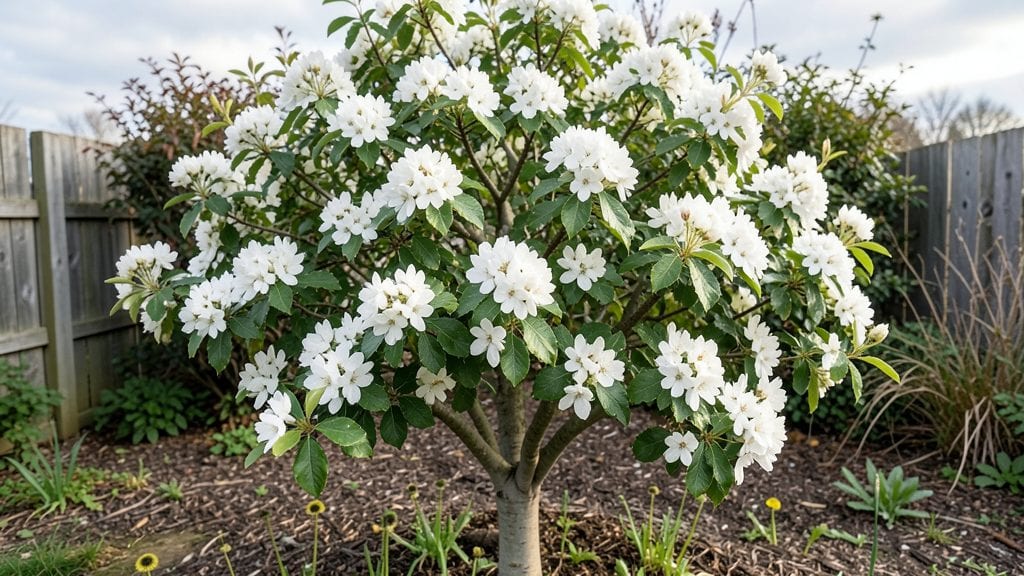
"Bradford pear tree blossoms arrive with a scent so sweet it stops traffic. 🌸 I’ve learned the secret to coaxing those showstopping spring blooms—it’s not just about planting the tree, but giving its buds the right winter chill they crave.
Most gardeners miss this step, and their trees end up with sparse, weak flowers instead of the dramatic cloud of white you see in full bloom." The key is cold stratification—mimicking nature’s winter chill to trigger flowering hormones. Bradford pears need 600-1,000 hours below 45°F before buds break.
If your tree isn’t getting enough cold, it might bloom late or not at all. The good news? You can adjust care to help it along, from choosing the right location to pruning at the perfect time.
With the right approach, your tree will burst into fragrant, foot-high blossoms that last for weeks. The petals are so delicate they look like snowflakes, and the honey-scented aroma draws bees by the hundreds. Plus, the tree’s glossy green leaves create a stunning backdrop for spring weddings or garden photos.
This method works for young trees and established ones alike. The only difference? Older trees might need a little extra TLC after years of neglect. Let’s get those buds ready for next spring’s big show!"
📚 In This Guide
- What you need
- Instructions
- Tips and common mistakes
- Wrapping up and next steps
What you need
- ● Bradford pear seeds or pips: 10–20 fresh, plump seeds (harvested from ripe fruit in late fall).
- ● Cold stratification medium: Option 1: Moistened paper towels (2–3 towels per batch of seeds).
- ● Option 2: Peat moss or coconut coir (1 small bag, ~1 cubic foot).
- ● Option 3: Plastic bag with a zip-top (1–2 bags, 1-gallon size).
- ● Spray bottle: 1 (for gentle moisture control).
- ● Small plastic container or resealable bag: 1 (with ventilation holes if using peat moss).
- ● Refrigerator or cold stratification chamber: Must maintain 35–40°F (2–4°C) for 6–12 weeks.
- ● Planting pots or seed trays: 2–4 (4–6 inch diameter, with drainage holes).
- ● Potting soil: 1 small bag (well-draining, seed-starting mix preferred).
- ● Plastic wrap or humidity dome: 1 (to retain moisture during germination).
- ○ Growth hormone gel: 1 small tube (optional boost for stubborn seeds).
- ● Seedling heat mat: 1 (for post-stratification warmth, ~70°F).
- ● Labeling tags: 5–10 (to track stratification dates and seed varieties).
- ● Grow lights: 1–2 (if indoor germination lacks natural light).
- ● Garden journal: 1 (to log progress and notes!).
Step-by-step instructions for cold stratifying Bradford pear seeds
Here’s how to break dormancy and coax those fragrant blossoms from your seeds—naturally and reliably.
🌱 Step 1: Harvest and Clean the Seeds
Gather the seeds from fully ripe Bradford pear fruits—wait until they’re soft and slightly mushy, usually in late fall. Scoop out the seeds, rinse them thoroughly in cool water to remove any remaining fruit pulp, and let them dry on a paper towel for 3-5 days in a shaded, well-ventilated spot. You’ll know they’re ready when they feel dry to the touch but aren’t brittle.
Store the dried seeds in a sealed container in the fridge for 2-3 weeks before stratification. This extra drying step prevents mold, which can ruin your seeds before they even sprout. I like to label the container with the date—it’s easy to forget when you’re waiting for spring!
❄️ Step 2: Stratify Seeds for Dormancy Break
Mix the cleaned seeds with a damp, but not soggy, sand and peat moss blend (equal parts) in a sealed plastic bag. The moisture should feel like a wrung-out sponge—just enough to keep everything damp without pooling water. Place the bag in the refrigerator’s crisper drawer, where temperatures stay consistently between 35-45°F.
Check the seeds after 3 months—they should look slightly plump and firm. If the mix feels dry, mist it lightly with water and reseal the bag. This cold treatment mimics winter conditions, tricking the seeds into thinking they’ve survived the cold and it’s safe to germinate. Real talk: Skipping this step means waiting years for germination, if it ever happens.
🌱 Step 3: Plant Stratified Seeds in Containers
Fill 4-inch diameter pots with a well-draining potting mix (I use a blend of 60% peat moss, 30% perlite, and 10% compost). Plant the stratified seeds ½ inch deep, spacing them 1 inch apart in each pot. Gently press the soil around them to ensure good contact—this helps roots establish faster.
Water lightly until the soil is evenly moist, but avoid soaking it. You’ll see tiny green sprouts in 4-8 weeks, depending on how patient your fridge was. Keep the pots in a warm, bright spot (like a sunny windowsill) but out of direct sunlight—too much heat now can stress the seedlings.
☀️ Step 4: Transition to Outdoor Conditions
Once seedlings reach 3-4 inches tall and show their first true leaves, harden them off by placing the pots outside in a sheltered spot for 2-3 hours daily. Gradually increase their time outdoors over 10-14 days, shielding them from harsh winds and direct sun. You’ll notice their stems toughen up and leaves darken—this means they’re ready for the garden.
Transplant the seedlings into the ground after the last frost date, spacing them 15-20 feet apart to give them room to grow into mature trees. Mulch around the base with 2-3 inches of organic mulch to retain moisture and suppress weeds. Here’s the thing—Bradford pears grow fast, but their blossoms take 5-7 years to reach full fragrance. Patience pays off with those iconic spring blooms!
Tips & tricks for perfect Bradford pear tree blossoms
These little-known tricks will help you maximize your success with Bradford pear seeds—because patience and precision make all the difference in growing these fragrant beauties.
The Drying Game: Those 3-5 days of drying seeds on paper towels might seem long, but it's worth it. I've seen mold ruin entire batches when seeds weren't properly dried—especially in humid conditions. Place a small fan nearby to create gentle airflow without blowing the seeds around. The goal is to dry them just enough to prevent mold but not so much they become brittle and cracked. Think "damp washcloth" texture, not "dryer sheet."
Stratification Secret: The 3-month cold treatment is non-negotiable for Bradford pears, but here's what nobody tells you—the crisper drawer isn't always cold enough. Use a refrigerator thermometer to confirm temperatures stay between 35-45°F consistently. I've had batches fail when the fridge ran too warm, and the seeds never germinated. If your fridge fluctuates, consider a dedicated seed refrigerator or move the bag to the coldest part of your fridge, like the bottom shelf.
Potting Mix Precision: That 60-30-10 blend of peat moss, perlite, and compost might seem arbitrary, but it's perfect for Bradford pear seedlings. The peat moss holds moisture while the perlite prevents compaction, and the compost provides essential nutrients. Pro tip: Sterilize your potting mix by baking it at 200°F for 30 minutes before use—this kills any pathogens that could harm your delicate seedlings. Don't skip this step if you've had issues with damping off in the past.
Hardening Off Hack: When you're ready to transition seedlings outdoors in Step 4, start with just 2-3 hours in a sheltered spot. I like to place them under a patio cover or against a north-facing wall where they get indirect sunlight. Gradually increase their time outside by 30 minutes each day—this slow acclimation prevents transplant shock. Watch for wilting as your signal to bring them back inside for another day. The goal is to toughen them up without overwhelming them.
Pro Tips for Bradford Pear Tree Blossoms
- These little-known tricks will help you maximize your success with Bradford pear seeds—because patience and precision make all the difference in growing these fragrant beauties.
- The Drying Game: Those 3-5 days of drying seeds on paper towels might seem long, but it's worth it.
- Stratification Secret: The 3-month cold treatment is non-negotiable for Bradford pears, but here's what nobody tells you—the crisper drawer isn't always cold enough.
Frequently asked questions
about Bradford pear tree blossoms—because even the most fragrant blooms come with curious minds! Here’s what you need to know to troubleshoot, time, and enjoy your tree’s stunning display.When do Bradford pear trees typically bloom?
Bradford pear trees usually burst into bloom in late winter to early spring (February–April, depending on your climate zone). Their iconic white flowers appear before the leaves, creating a breathtaking, snow-like effect. Cold stratification (like the method in this guide) helps trigger this timing—so chill those seeds properly!
What if my Bradford pear isn’t blooming?
If your tree skips blooms, it might be too young (they often need 3–5 years), stressed (check soil/water), or lacking sunlight. Bradford pears also need chilling hours (300–600 hours below 45°F). If growing from seed, ensure proper cold stratification—otherwise, the tree may bloom erratically or not at all.
Are Bradford pear blossoms fragrant?
Yes! Their flowers release a light, sweet scent—though not as intense as some other pears. The fragrance peaks in the morning and fades as the day warms. Pro tip: Plant near patios or windows to enjoy the aroma up close. Just beware—some people compare it to “overripe fruit”, so it’s polarizing!
Can I grow Bradford pears from cuttings instead of seeds?
While possible, Bradford pears are harder to root from cuttings than seeds. For best results, stick with seeds (especially if you want fragrant blooms). If you try cuttings, use rooting hormone and keep them in moist perlite until roots form. Warning: Bradford pears are invasive in some areas—check local regulations before planting!
Do Bradford pear blossoms attract bees?
Their flowers are a bees’ buffet, especially early in spring when other nectar sources are scarce. Just avoid spraying pesticides during bloom time—bees (and butterflies!) rely on them. Bonus: The tree’s late-season fruit also feeds birds, making it a pollinator powerhouse.
How long do Bradford pear blossoms last?
Blossoms typically last 7–10 days before dropping, but timing varies with weather. Cooler springs extend their lifespan, while sudden heat can cause them to fade faster. Quick tip: Deadhead spent blooms to encourage a second (smaller) flush later in the season.
Wrapping up and next steps
There you have it—your Bradford pear tree blossoms are just a few steps away from becoming a fragrant springtime showstopper! 🌸 By mastering cold stratification and nurturing your seeds with care, you’re not only ensuring vibrant blooms but also contributing to your garden’s beauty and biodiversity.
The key is patience and precision, but the reward—a spectacular display of blossoms—is worth every effort.
Ready to take the next step? Plant your prepped seeds this fall and watch your garden transform next spring. Share your progress with fellow gardeners—your success could inspire someone else’s blooming journey! 🌱