
Pruning
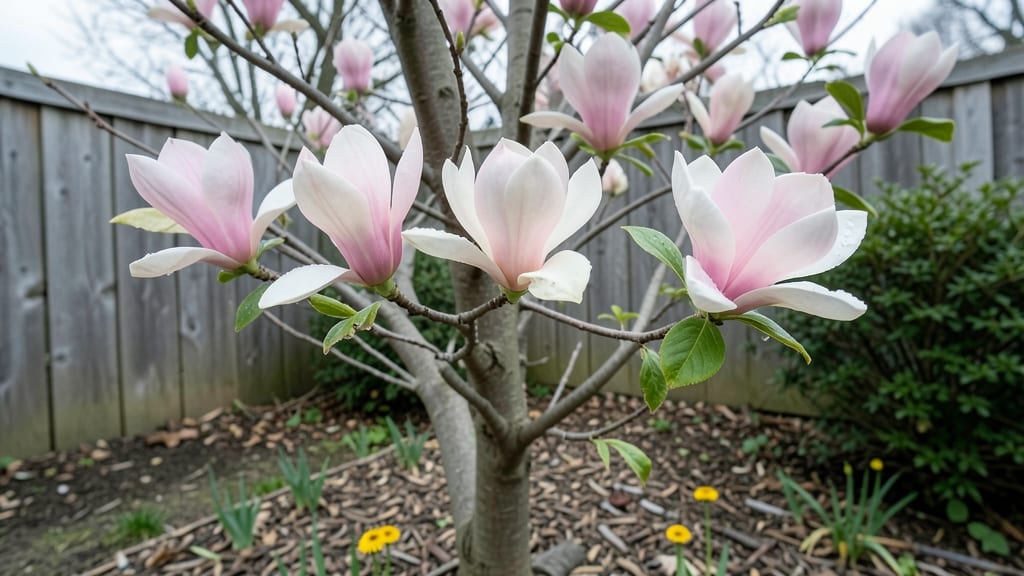
The Anne magnolia tree transforms any yard into a lush, fragrant sanctuary with its glossy evergreen leaves and showstopping spring blooms. 🌿 I planted mine last autumn, and now it’s the centerpiece of my backyard—providing year-round privacy while filling the air with intoxicating perfume when the flowers open.
The key to success? Choosing the right spot and giving it the care it craves from the start.
This tree thrives in well-draining soil with a slightly acidic pH, making it perfect for most U.S. climates from zones 6 through 9. It loves sunlight but tolerates partial shade, so even smaller yards can accommodate it.
Once established, it’s surprisingly low-maintenance, though young trees need consistent watering—think 1-2 inches per week during the first growing season. The real magic happens in late spring, when those creamy-white, tulip-shaped blooms cover the branches like snow.
With proper pruning after flowering, you’ll encourage denser growth, making it an even better privacy screen. The glossy leaves stay vibrant year-round, and the tree’s slow, steady growth means it won’t outpace your property.
Plus, deer and rabbits usually leave it alone—unlike many other shrubs. By summer’s end, you’ll have a fragrant, evergreen backdrop that’s both functional and stunning.
Fair warning: These trees get 15-20 feet tall and wide, so plan ahead for their mature size. If space is tight, consider a dwarf variety or regular pruning to keep it in check.
The payoff? A garden feature that’s as practical as it is beautiful, with minimal upkeep once it’s settled in. Ready to grow one that does double duty?
📚 In This Guide
- What you need
- Instructions
- Tips and common mistakes
- Wrapping up and next steps
What you need
- ● Pruning shears: Bypass pruners with sharp, clean blades (for cuts up to ½ inch thick). Pro tip: 💡 Sanitize blades with rubbing alcohol before and after use to prevent disease spread!
- ● Loppers: Bypass or anvil loppers (for cuts up to 2 inches thick). Look for ergonomic handles for comfort during extended use.
- ● Pruning saw: A curved-tooth pruning saw (for larger branches over 2 inches in diameter). Pro tip: 🔥 Always cut on the underside of the branch to avoid tearing the bark.
- ● Gloves: Heavy-duty, cut-resistant gardening gloves (to protect hands from thorns and rough branches).
- ● Disposable pruning bags: 1-2 large bags (for collecting and disposing of clippings). Pro tip: ✨ Line bags with trash bags for easy cleanup!
- ● Ladder: A sturdy, extendable ladder (if your tree exceeds 6 feet in height). Pro tip: 🎯 Always secure the ladder to a stable surface and have a spotter if working alone.
- ○ Sealing wax or pruning paint: Small bottle (optional but recommended for cuts larger than ½ inch to prevent disease).
- ● Hand saw: For stubborn, thick branches that resist loppers.
- ● Extension pole pruners: For high branches (saves ladder use!).
- ● Tree wound dressing: Alternative to sealing wax for larger cuts.
- ● Notebook & pen: To jot down notes on cuts made or areas needing future attention.
- ● Safety glasses: To protect eyes from debris.
Step-by-Step guide for planting and caring for an Anne magnolia tree
Here's how to establish your Anne magnolia as a fragrant, evergreen privacy screen that thrives for decades.
🌱 Step 1: Choose the Perfect Planting Location
Select a site with full sun to partial shade—at least 6 hours of sunlight daily. Anne magnolias tolerate light shade but bloom best with morning sun. Avoid low spots where water pools; their roots need good drainage to prevent root rot.
Check the soil pH with your testing kit—Anne magnolias prefer slightly acidic to neutral soil (pH 6.0-7.0). If your soil tests too alkaline, amend with 2-3 pounds of peat moss mixed into the planting hole. I always dig a hole twice as wide as the root ball but only as deep—planting too deep suffocates the roots.
🪴 Step 2: Prepare the Planting Hole and Plant
Loosen the soil in the bottom of the hole with a shovel—this helps roots spread immediately. Gently remove the magnolia from its container and tease apart any circling roots with your fingers. You'll see the roots naturally curl from pot confinement; straightening them now prevents future girdling.
Position the tree so the top of the root ball sits 1-2 inches above ground level. This slight elevation prevents water from sitting against the trunk. Backfill with the amended soil, pressing gently to eliminate air pockets. Water deeply to settle everything—you'll know it's right when water drains freely from the bottom of the hole.
☀️ Step 3: Mulch and Water for Establishment
Spread 2-3 inches of mulch over the root zone, keeping it 6 inches away from the trunk. I use shredded hardwood mulch because it breaks down slowly and improves soil structure over time. Too much mulch suffocates the roots, while too little lets weeds compete for moisture.
Water deeply 2-3 times per week during the first growing season—enough to moisten 12 inches deep. You'll know you've watered correctly when the soil feels damp but not soggy at that depth. After the first year, reduce to 1-2 deep waterings weekly unless we have prolonged dry spells.
✂️ Step 4: Prune for Shape and Health
Prune your Anne magnolia in late winter or early spring before new growth begins. Remove any dead, diseased, or crossing branches first—these compete with healthy growth. I always cut just above a outward-facing bud to encourage new growth in the right direction.
Shape the tree by thinning out dense areas to improve airflow. Avoid heavy pruning; magnolias respond poorly to drastic cuts. You'll see the best blooms on mature wood, so never remove more than 25% of the canopy in one season. After pruning, apply a balanced fertilizer (10-10-10) to support new growth.
🌿 Step 5: Maintain Year-Round for Long-Term Beauty
Fertilize annually in early spring with ½ pound of slow-release fertilizer spread over the root zone. Water immediately after applying to help nutrients penetrate the soil. Avoid fertilizing in fall—new growth won't harden off before winter.
Watch for pests like scale insects or spider mites, which love magnolia foliage. Treat infestations immediately with horticultural oil—spray in early morning or late evening to avoid burning the leaves. Your Anne magnolia will reward you with fragrant blooms in late spring and lush foliage year-round if you keep up with these simple care steps.
Tips & tricks for perfect Anne magnolia tree planting
Here's what I've learned from years of growing Anne magnolias—simple tricks that make all the difference for long-term success.
Location Intelligence: In Step 1, when choosing your planting spot, pay attention to the 6 hours of sunlight requirement. The best blooms come from morning sun exposure, so face your tree east or southeast if possible. I've seen trees in full shade still survive, but they'll produce far fewer fragrant blooms—think of that 6-hour minimum as your minimum bloom guarantee.
Root Ball Secrets: During Step 2, when you're loosening the soil and preparing the hole, don't overlook the circling roots. I've seen gardeners skip this step and end up with roots growing in tight circles that strangle themselves. Take those extra 5 minutes to gently tease them apart—your tree will thank you for decades with proper root development. The 1-2 inch elevation above ground level is equally critical; it prevents water from pooling against the trunk and causing rot.
Mulching Mastery: In Step 3, when spreading that 2-3 inches of mulch, remember the 6-inch clearance from the trunk. Too much mulch piled against the base creates a perfect environment for rot, while too little leaves roots exposed to temperature swings. I use shredded hardwood mulch because it breaks down slowly and improves soil structure over time—think of it as a slow-release soil conditioner rather than just decorative ground cover.
Watering Wisdom: The 2-3 deep waterings weekly during the first year might seem like a lot, but it's crucial for establishing those deep roots. I check moisture by sticking my finger 12 inches deep—if it feels dry, that's your watering cue. After the first year, you can reduce to 1-2 waterings weekly, but always adjust for your local climate. The key is consistency: better to water deeply less often than give shallow, frequent drinks.
Pro Tips for Anne Magnolia Tree
- Here's what I've learned from years of growing Anne magnolias—simple tricks that make all the difference for long-term success.
- Location Intelligence: In Step 1, when choosing your planting spot, pay attention to the 6 hours of sunlight requirement.
- Root Ball Secrets: During Step 2, when you're loosening the soil and preparing the hole, don't overlook the circling roots.
Frequently asked questions
Got questions about the stunning Anne Magnolia Tree? You’re not alone—this beauty is a favorite, but it comes with some unique care needs. Here are answers to the most common queries to help you grow a thriving, fragrant privacy screen!
How fast does the Anne Magnolia Tree grow?
The Magnolia × soulangeana ‘Anne’ grows at a moderate pace, adding about 12–24 inches per year under ideal conditions. While not the fastest, its compact size (20–30 ft tall) makes it perfect for small yards or urban landscapes. Patience pays off—it’ll reward you with fragrant blooms in just 3–5 years!
When and how should I prune an Anne Magnolia Tree?
Prune your Anne Magnolia immediately after flowering (late spring) to avoid cutting off next year’s blooms. Use clean, sharp pruners to remove dead, crossing, or crowded branches. Never prune in fall or winter—this tree blooms on old wood, so timing is key! Keep it neat but natural to preserve its elegant shape.
Is the Anne Magnolia Tree cold-hardy?
This hybrid magnolia thrives in USDA Zones 4–9, making it one of the most tough yet beautiful choices for northern climates. It tolerates brief dips to -20°F but may need winter protection (like burlap wraps) in Zone 4’s harshest winters. Pro tip: Plant in well-draining soil to prevent root rot in wet winters.
What are some alternatives to the Anne Magnolia?
If you love the look but need a different vibe, consider these fragrant, privacy-friendly alternatives:
- Saucer Magnolia (‘Jane’ or ‘Leonard Messel’) – Larger blooms, similar care.
- Star Magnolia (‘Royal Star’) – Early spring blooms, more compact.
- Crapemyrtle (‘Natchez’) – Drought-tolerant, long blooming season.
- Fothergilla (‘Mount Airy’) – Stunning fall foliage, fragrant flowers.
Why aren’t my Anne Magnolia leaves turning green?
Yellow or pale leaves often signal nutrient deficiencies, overwatering, or pests. Check for:
- Iron deficiency (yellow between veins) → Use an iron chelate fertilizer.
- Scale insects or spider mites (sticky leaves, webbing) → Spray with neem oil.
- Root rot (mushy stems, foul smell) → Improve drainage and reduce watering.
Wrapping up and next steps
The Anne Magnolia Tree is a stunning, low-maintenance choice for year-round privacy and fragrant spring blooms—perfect for adding beauty and tranquility to your outdoor space. 🌸 With its glossy foliage, disease resistance, and adaptability, it’s a dream for gardeners of all skill levels.
Ready to transform your yard? Start by gathering your tools and pruning with confidence!
- Next step: Check your local nursery for a Magnolia 'Anne Agerholm' sapling and begin planning its ideal spot in full sun to partial shade.
- Pro tip: Mark your calendar for late winter or early spring—when the tree is dormant—to kick off your pruning journey!