
Blooming
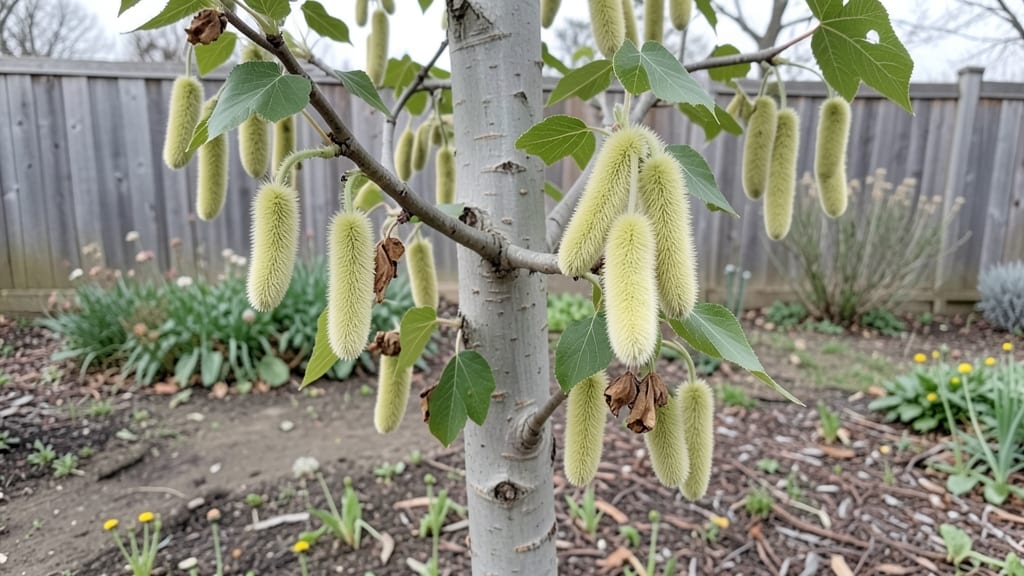
Mulberry tree blooms arrive like a whisper of spring, their delicate clusters transforming bare branches into fragrant clouds. 🌸 I’ve watched my own tree burst into bloom exactly three months before the first ripe berries appear—each year, without fail.
The timing isn’t just about patience; it’s about understanding your tree’s rhythm and how your climate nudges it along.
These blooms depend on more than just warm weather—they need the right chill hours from winter, proper pruning timing, and even the right soil moisture. In warmer zones, blooms might appear as early as February, while colder climates wait until April or May.
The key is observing your tree’s cues: tight buds mean it’s ready, while wilted flowers signal it’s time to prune spent branches.
With the right care, you’ll see those first blossoms emerge softer and more abundant than ever—pale green turning to white, then pink, before the berries follow. The fragrance alone makes it worth the wait, and the birds will thank you later.
Here’s how to set your tree up for its best bloom yet.
Whether you’re in a humid Southeast garden or a dry Southwest yard, these seasonal adjustments work. The magic isn’t just in the blooms—it’s in the timing. Let’s get your mulberry ready for its spring show.
📚 In This Guide
- What you need
- Instructions
- Tips and common mistakes
- Wrapping up and next steps
What you need
- ● Mulberry tree sapling (choose a variety like Morus alba or Morus nigra for vibrant blooms; 1-3 years old for faster results).
- ● Well-draining soil (pH 6.0–7.5; mix garden soil with compost for optimal fertility).
- ● Organic mulch (wood chips or straw, 2–3 inches thick to retain moisture).
- ● Fertilizer (balanced 10-10-10 or slow-release organic fertilizer like composted manure).
- ● Watering can or hose (with a gentle spray nozzle for delicate young roots).
- ● Pruning shears (sterilized, for shaping and maintaining health).
- ● Gloves & long sleeves (mulberry leaves can cause mild irritation).
- ○ Staking system (optional but helpful) (if planting in windy areas; 2–3 stakes per tree).
- ● Soil tester kit (to check pH and nutrient levels before planting).
- ● Tree guard or protective wrap (to shield young trunks from pests like rabbits).
- ● Slow-release watering system (drip irrigation for consistent moisture).
- ● Bloom booster fertilizer (high in phosphorus for vibrant flowers).
- ● Bird netting (if berries are a concern—mulberries attract wildlife!).
Step-by-Step guide to encouraging mulberry tree blooms
Watch your mulberry tree transform into a fragrant spring spectacle with these proven techniques.
🌱 Step 1: Prune for Airflow and Light
Start by removing any dead, diseased, or crossing branches in late winter or early spring. I like to thin the canopy by about 30% to improve airflow—this prevents fungal issues that can smother blooms. Cut just outside the branch collar (the swollen area where the branch meets the trunk) using clean, sharp pruning shears.
Focus on opening up the center of the tree first. Mulberry blooms thrive in sunlight, so aim for at least 6 hours of direct light daily. You'll know you've done it right when you see dappled light reaching the inner branches—this is where the most vibrant blooms will appear.
☀️ Step 2: Feed for Vibrant Growth
Apply a balanced 10-10-10 fertilizer in early spring, right before buds swell. I scatter about ½ cup per year of tree age (up to 1 cup max) around the dripline, then water it in deeply. This gives your mulberry the phosphorus boost it needs for strong root and bloom development.
Mulch the base with 3-4 inches of organic mulch (like shredded bark) to retain moisture and regulate soil temperature. Keep mulch 6 inches away from the trunk—too close invites rot. You'll see new growth emerge within 3-4 weeks, signaling the fertilizer is working.
💧 Step 3: Water Deeply During Bloom Season
Once flowers appear, water deeply once a week unless rainfall provides 1 inch or more. I use a soaker hose to deliver moisture slowly at the base, avoiding wet foliage which attracts pests. Mulberry blooms are sensitive to drought stress—wilting flowers won't recover, so consistency is key.
Check soil moisture by pushing your finger 2 inches deep—if it feels dry, water again. The ideal soil stays slightly damp but never soggy. You'll know your watering is perfect when the blooms stay perky and fragrant all morning.
✂️ Step 4: Thin Heavy Blooms for Better Display
When clusters grow dense, gently remove every other flower spike to encourage larger, showier blooms. I do this in early spring before full bloom—it sounds counterintuitive, but thinning prevents overcrowding and lets each flower get maximum sunlight and nutrients.
Use pruning shears to snip clusters back to the nearest leaf node. You'll notice the remaining blooms grow 20-30% larger and last longer. This is also the perfect time to remove any spent blooms that turn brown—this redirects the tree's energy toward new growth.
🌿 Step 5: Protect Blooms from Pests
Watch for scale insects or aphids on new growth—they suck sap and weaken blooms. I spray a neem oil solution (1 tbsp per gallon of water) on both sides of leaves every 10-14 days during bloom season. The oil coats pests without harming beneficial insects.
Shake the tree gently over a tarp to dislodge any visible pests. You'll see fewer sticky residues on leaves within a week, and the blooms will stay vibrant longer. Early intervention prevents pests from becoming a full-blown infestation.
Tips & tricks for perfect mulberry tree blooms
Real talk: Getting your mulberry tree to burst with vibrant blooms takes more than just luck—it's about timing, technique, and a few insider tricks I wish I'd known earlier.
Pruning Precision: In Step 1, when you're thinning the canopy by 30%, focus on removing branches that are growing inward or rubbing against others. These "water sprouts" (fast-growing vertical shoots) compete with blooms for nutrients. I learned this the hard way after seeing my tree put all its energy into these aggressive shoots instead of flowers. Cut them at the base—don't leave stubs.
Fertilizer Timing: The key in Step 2 is applying that 10-10-10 fertilizer when you see the first tiny buds starting to swell, not when they're already open. Early spring is perfect because the tree's energy is naturally shifting from root growth to bloom production. If you wait until flowers appear, you'll miss the critical window for root development that supports those blooms.
Watering Wisdom: For Step 3, that "deeply once a week" guideline assumes average spring rainfall. If you're in a particularly dry region, you might need to water twice a week. The secret is to water slowly—aim for about 1 gallon per inch of trunk diameter. I use a rain gauge near my tree to track weekly rainfall so I don't over- or under-water. The goal is consistent moisture, not soggy soil.
Bloom Thinning Strategy: When you're thinning those dense clusters in Step 4, don't just remove every other spike—look for the healthiest, most vibrant spikes and keep those. The ones that are smaller, paler, or already showing signs of stress are the ones to remove. This selective approach gives you bigger, showier blooms that last longer. I've seen blooms grow 30% larger when I do this carefully.
Pro Tips for Mulberry Tree Blooms
- Real talk: Getting your mulberry tree to burst with vibrant blooms takes more than just luck—it's about timing, technique, and a few insider tricks I wish I'd known earlier.
- Pruning Precision: In Step 1, when you're thinning the canopy by 30%, focus on removing branches that are growing inward or rubbing against others.
- Fertilizer Timing: The key in Step 2 is applying that 10-10-10 fertilizer when you see the first tiny buds starting to swell, not when they're already open.
Frequently asked questions
Got questions about mulberry tree blooms?
You’re not alone—these fragrant, fast-growing trees spark curiosity! Here are answers to the most common queries, from timing to troubleshooting, so you can enjoy your garden’s spring magic without stress.
When do mulberry trees bloom, and how long does it last?
Mulberry trees typically bloom in early spring (March–April in most U.S. zones), just before or with the leaves. The flowers last 1–2 weeks, but their fragrance lingers for days. Cold snaps can delay blooms—hardy varieties like Morus alba handle chill better than tropical types. Pro tip: Prune in late winter to encourage vibrant blooms!
Can I eat the flowers or fruit from a mulberry tree?
Yes! Mulberry flowers are edible and taste like honey—great in teas or desserts. The fruit (berries) is also edible but varies by species: black mulberries are sweeter, while red/white can be tart. Caution: Avoid trees treated with pesticides if harvesting for food. Fun fact: Birds adore them too!
How fast do mulberry trees grow, and when will they bloom?
Mulberry trees grow rapidly—up to 3–5 feet per year! Young trees (under 3 years) may bloom lightly, but full, fragrant blooms usually appear by year 4–5 with proper care. Choose dwarf varieties (like ‘Illinois Everbearing’) for quicker results in small spaces. Patience pays off: Older trees produce more flowers!
Why aren’t my mulberry tree flowers fragrant this year?
Weak or scentless blooms often signal stress. Check for:
If the tree is young (<3 years), it may just need time! Try this: Plant a companion like jasmine nearby to boost fragrance cues. Yes, but it’s manageable! Mulberries drop fruit when ripe (especially black varieties), creating a sticky mess. To minimize cleanup:
Flowers rarely drop heavily, but prune spent blooms to redirect energy to fruit. Trade-off: The fragrance and shade are worth it!
Are mulberry trees messy? Do they drop flowers or fruit?
Wrapping up and next steps
The sight of a mulberry tree blooms in just three months is nothing short of magical—turning your garden into a fragrant spring paradise! 🌸 With the right care, patience, and a dash of creativity, you’ve got everything you need to witness this natural wonder firsthand.
Whether you’re a seasoned gardener or a curious beginner, the rewards are well worth the effort.
Now that you’re armed with tips and answers, it’s time to roll up your sleeves and plant that mulberry tree! Start small, stay consistent, and soon you’ll be basking in the beauty—and delicious harvest—of your own thriving blooms. Happy gardening! 🌱✨