
Container Gardens
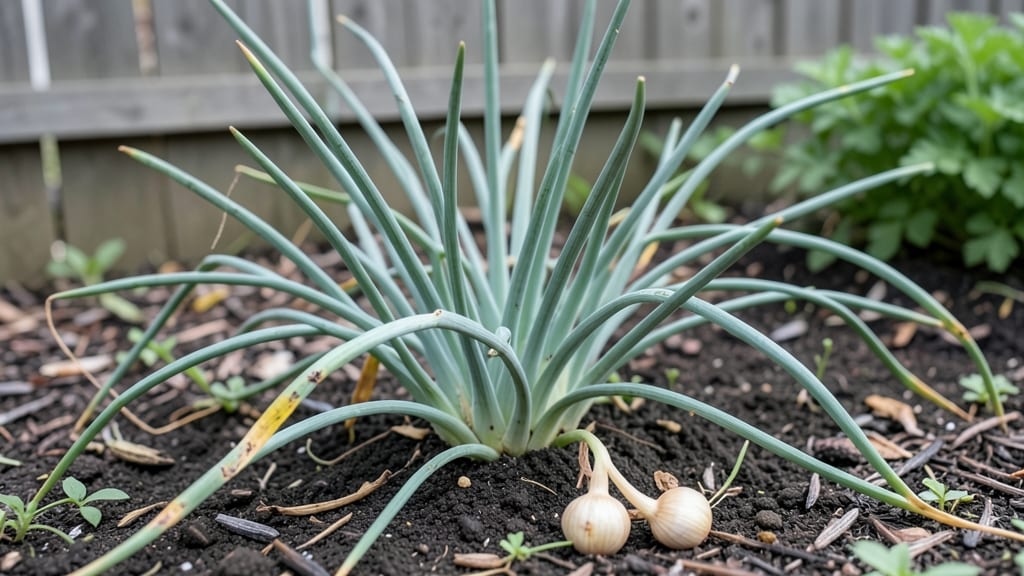
Tree onions grow from single bulbs into lush, continuous harvest machines that outperform regular onions in any kitchen. 🌱 I’ve watched mine produce fresh green stems for months straight—no replanting, no fuss—just a clump that keeps giving.
The secret lies in how they multiply underground, creating dozens of tiny bulbs that all work together to feed you.
You’ll need a sunny spot with at least six hours of light daily, well-draining soil, and containers at least 12 inches deep.
Plant bulbs 2 inches apart in spring or fall, water them when the top inch of soil feels dry, and watch as those first feathery green shoots appear in just a few weeks. Unlike regular onions, these keep producing new growth even after you harvest, making them shockingly efficient.
By midsummer, you’ll be snipping fresh green stems for cooking or salads whenever you want—no storage needed. The bulbs themselves stay productive for years, multiplying underground into a dense clump that looks like a tiny underground forest.
Even better, you can divide and share these clumps with friends, turning a single bulb into dozens of free plants.
Works equally well in containers, raised beds, or directly in garden soil. Here’s how to keep them thriving—and how to troubleshoot when they don’t.
📚 In This Guide
- What you need
- Instructions
- Tips and common mistakes
- Wrapping up and next steps
What you need
- ● Tree Onion Sets or Bulbs: 10–20 sets (small, green-stemmed onions with a tiny bulb). Choose certified organic or heirloom varieties like ‘Evergreen Hardy White or ‘Tree Onion.
- ● Well-Draining Soil: 5–10 gallons of potting mix or garden soil amended with compost (50% soil, 50% compost). Avoid heavy clay.
- ○ Containers (Optional but Recommended): 1–2 5–10 gallon pots with drainage holes (fabric grow bags work too!).
- ● Raised beds (minimum 6" deep) or in-ground plots (if your climate allows year-round growth).
- ● Fertilizer: Balanced organic fertilizer (e.g., 5-5-5 or 10-10-10) at planting.
- ● Slow-release granules (like osmocote) or liquid fish emulsion (every 4–6 weeks).
- ● Mulch: Straw or shredded leaves (1–2 inches) to retain moisture and suppress weeds.
- ● Hand Trowel or small garden fork for planting.
- ● Watering Can or hose with a gentle spray nozzle (tree onions hate soggy roots!).
- ● Pruning Shears (for harvesting green stems).
- ○ Gloves (optional, but helpful for handling soil and mulch).
- ○ pH Test Kit (optional but recommended—ideal soil pH: 6.0–7.0).
- ● Sunlight: 6+ hours of full sun daily (partial shade in hot climates).
- ● Climate: Cold-hardy varieties tolerate 20–30°F (USDA Zones 3–10).
- ● In warm climates, plant in fall or winter to avoid bolting.
- ● Watering Routine: Keep soil consistently moist but not waterlogged (1 inch per week).
- ● Spacing: Plant sets 2–3 inches apart in rows 12 inches apart.
Step-by-Step guide to growing tree onions
Here’s how to cultivate these versatile, low-maintenance onions for continuous harvests all year.
🌱 Step 1: Choose and Prepare Your Tree Onion Starts
Tree onions—also called top-setting onions—grow from small bulbs with green shoots. Purchase 1-inch diameter bulbs from a nursery or garden center, or save your own from store-bought green onions (they’ll regrow!). Soak the bulbs in lukewarm water for 30 minutes before planting to encourage root growth. This simple step jumpstarts their energy reserves.
If using store-bought green onions, trim the roots to ½ inch and place the bulbs in a shallow dish of water. Within 3-5 days, you’ll see fresh roots forming—your signal they’re ready to plant. These bulbs are tough; even if they look wilted, they’ll bounce back once in soil.
🪴 Step 2: Plant in Well-Draining Soil and Full Sun
Tree onions thrive in loose, well-draining soil with a pH between 6.0 and 7.0. Amend heavy or clay soil with compost or sand to improve drainage—waterlogged roots cause rot. Space bulbs 4-6 inches apart in rows 12 inches apart for easy access and airflow. Plant them with the top ⅓ of the bulb exposed; this prevents decay while allowing sunlight to reach the growing stem.
Water immediately after planting to settle the soil around the roots. You’ll know moisture is right when the soil surface looks slightly damp but not glistening. Overwatering now will drown the bulbs before they establish. Once planted, tree onions are drought-tolerant, but consistent moisture keeps them producing tender stems.
☀️ Step 3: Provide Sunlight and Fertilize for Continuous Growth
Tree onions need 6-8 hours of full sun daily to produce sweet, tender stems. If your climate runs hot, provide afternoon shade in summer to prevent bolting (when onions flower prematurely). I’ve found that a light shade cloth reduces stress on the bulbs during peak heat while still allowing enough light for growth.
Fertilize lightly every 4-6 weeks with a balanced 10-10-10 fertilizer or compost tea. Too much nitrogen makes the bulbs soft and prone to rot, while too little starves the stems. You’ll see healthy growth when the green shoots are thick and upright, not thin or floppy. Harvest stems as needed—cutting them back encourages new growth from the same bulb.
✂️ Step 4: Harvest Stems and Maintain the Bulb
Harvest stems when they reach 6-8 inches tall and are about ¼ inch thick. Use clean scissors to snip just above the bulb, leaving 1-2 inches of stem attached. This prevents the bulb from drying out and encourages more shoots to form. You’ll get 3-5 harvests per bulb over a growing season—far more than traditional onions!
After the first frost, pull up the bulbs, let them dry in a warm, dark place for 1-2 weeks, and store them in a mesh bag. In spring, replant them for another year of harvests. Here’s the thing—tree onions multiply! Over time, you’ll have more bulbs than you started with, ready to share or replant.
⏰ Step 5: Overwinter and Prepare for Next Season
In colder climates, mulch the planting area with 2-3 inches of straw or leaves before the first frost. This protects the bulbs from freezing and keeps them viable for next year. In mild climates, tree onions often survive winter with minimal protection. Come spring, you’ll see new shoots emerging even before you replant!
Divide any crowded clumps in early spring by gently separating the bulbs with your hands. Replant the largest, healthiest ones, and compost the smaller ones. This ensures your tree onions stay productive for years. Real talk: once established, these onions are nearly self-sufficient—just give them sun and occasional water, and they’ll keep giving you harvests with almost no effort.
Tips & tricks for perfect tree onion growth
Here's what I've learned after growing these onions for years—the little details that make all the difference between a decent harvest and a bountiful one.
Soaking Secret: That 30-minute lukewarm water soak in Step 1 isn't just optional—it's your secret weapon. The water activates the bulb's energy reserves, giving you a head start on root growth. I've found that bulbs soaked this way establish roots twice as fast as dry-planted ones. Pro tip: Use room-temperature water, not hot or cold—lukewarm is the magic zone that won't shock the delicate bulbs.
Planting Depth Matters: When planting with the top ⅓ exposed in Step 2, don't just eyeball it—use a ruler or measuring stick. The exposed portion should be exactly ⅓ of the bulb's total height. Too much exposed means drying out; too little buried means rot. I've lost entire batches because I rushed this step. Also, make those planting holes just slightly larger than your bulb—gentle pressure to seat it is all you need.
Sunlight Strategy: Those 6-8 hours of full sun in Step 3 are non-negotiable, but here's the trick: position your planting area to catch morning sun and afternoon shade if your climate gets scorching. I use a simple white shade cloth (50% block) during peak summer hours—it keeps temperatures down without sacrificing light. Watch for the bulbs to turn yellow or wilt in extreme heat; that's your cue to add shade immediately.
Harvest Timing: For the sweetest stems in Step 4, harvest when they're 6-8 inches tall but still have that crisp snap. The ¼-inch thickness is your guide, but also look for the hollow sound when you tap them—solid stems need more time, while hollow ones are perfect. I harvest every 2-3 weeks during growing season, and each cutting encourages 2-3 new shoots from the same bulb. Don't wait until they get tough and stringy!
Pro Tips for Growing Tree Onions
- Here's what I've learned after growing these onions for years—the little details that make all the difference between a decent harvest and a bountiful one.
- Soaking Secret: That 30-minute lukewarm water soak in Step 1 isn't just optional—it's your secret weapon.
- Planting Depth Matters: When planting with the top ⅓ exposed in Step 2, don't just eyeball it—use a ruler or measuring stick.
Frequently asked questions
Got questions about growing tree onions? You’re not alone! Here are some of the most common concerns—plus quick, practical answers to help you grow a thriving, year-round harvest.
How long does it take for tree onions to produce green stems?
Once planted, tree onions typically start sprouting green shoots in 4–6 weeks under ideal conditions (full sun, well-draining soil). You can begin harvesting the first tender stems in 6–8 weeks after planting. Patience pays off—consistent harvests will continue for months!
Can I grow tree onions year-round, or do they need a dormant season?
Tree onions are perennial in warm climates (USDA Zones 7–10) and can produce green stems year-round if protected from frost. In colder regions, they’ll go dormant in winter but regrow in spring. For continuous harvests, plant new bulbs every 3–4 months or overwinter them in containers indoors.
What can I do if my tree onions aren’t growing?
Check these common issues:
Not enough sun? Move to a sunnier spot (they need 6+ hours of light daily).
Overwatered? Tree onions hate soggy soil—ensure pots/drainage holes are present.
Slow growth? Fertilize lightly with balanced 10-10-10 every 4–6 weeks.
Pests? Spider mites or aphids? Spray with neem oil or insecticidal soap.
Are tree onions the same as scallions or green onions?
Yes! Tree onions are a perennial variety of scallions/green onions, meaning they regrow from the same bulb. Unlike annuals, they’ll keep producing stems for years if cared for properly. The flavor is milder and sweeter than store-bought green onions—perfect for fresh snacks or cooking!
Can I replant harvested green stems back into the soil?
Nope! Once you cut the green stems, the bulb won’t regrow from them. Instead, harvest stems from the base (leave 2–3 inches of growth) to encourage new shoots. For a longer harvest, avoid cutting more than ⅓ of the stems at once—this keeps the bulb healthy and productive.
Pro Tip:
Need a space-saving hack? Grow tree onions in hanging baskets or vertical planters—their long green stems cascade beautifully while maximizing your container garden’s real estate!
Wrapping up and next steps
Growing tree onions is a rewarding journey that brings fresh, flavorful greens to your table year-round—with minimal effort! Whether you’re a seasoned gardener or a container-garden beginner, these hardy plants prove that big harvests start small. 🌱
Ready to dive in? Start by gathering your supplies, then plant those bulbs and watch your kitchen transform into a green machine. Next up: Share your tree onion success (or bloopers!) with fellow gardeners—tag us @GreenThumbGardeners for a chance to be featured! Happy growing!