
Pruning
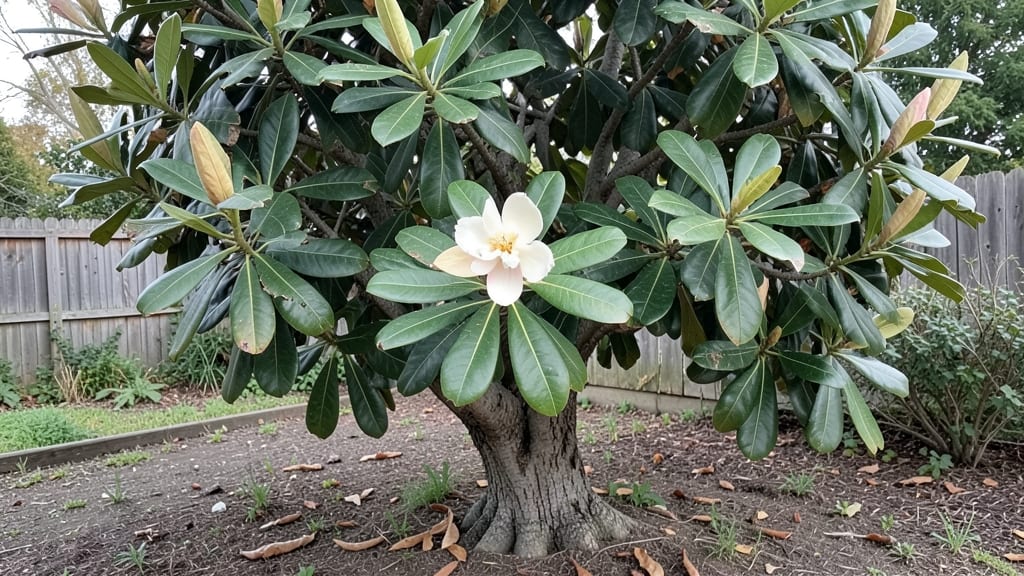
A magnolia tree gift isn’t just a plant—it’s a living heirloom that brings fragrance, shade, and timeless beauty to any garden. 🌸 I’ve given them as gifts for years, and every time, the recipient’s face lights up when those first creamy blooms appear in spring.
The way magnolias transform a yard from bare branches to lush, fragrant splendor makes them one of the most meaningful gifts you can give.
You don’t need a sprawling estate to make this work—even small varieties like the Saucer Magnolia or Little Gem fit perfectly in suburban yards. Pair it with a decorative pot for a potted gift, or plant it near a seating area for instant shade and perfume.
The best part? A well-placed magnolia creates year-round interest, from glossy evergreen foliage in winter to vibrant blooms in spring.
Imagine stepping outside in May to find your garden filled with the sweet, heavy scent of magnolia blossoms—something store-bought gifts can’t replicate. These trees grow slowly but steadily, becoming a cherished centerpiece that outlasts any seasonal decoration.
Whether you’re gifting to a homeowner or a renter, there’s a magnolia variety that fits their space and style.
For extra thoughtfulness, include a handwritten note with care tips or a small garden marker to personalize the gift. It’s a present that keeps giving, long after the wrapping paper is gone. Here’s how to choose the perfect one for your recipient’s garden.
📚 In This Guide
- What you need
- Instructions
- Tips and common mistakes
- Wrapping up and next steps
What you need
- ● Magnolia tree: Choose a healthy, potted Magnolia grandiflora or Magnolia stellata (3–5 gallons, 3–6 ft tall). Pro tip: 💡 Opt for bare-root saplings for a budget-friendly gift!
- ● Planting hole: Dig a hole twice as wide and just as deep as the root ball.
- ● High-quality potting soil or native soil mix: 5–10 bags (2–3 cubic feet each), amended with compost (1–2 bags) for drainage.
- ● Mulch: 2–3 bags of pine bark or shredded wood chips (3–4 inches deep). ✨ Avoid fresh wood chips—they can harm roots!
- ● Garden shovel or spade (for digging)
- ● Garden trowel (for loosening roots if repotting)
- ● Wheelbarrow or bucket (for soil/mulch transport)
- ● Garden hose with nozzle (for watering)
- ● Pruning shears (sterilized, for trimming dead branches)
- ● Gloves (heavy-duty for digging, lightweight for handling)
- ● Measuring tape (to check hole depth/width)
- ● Slow-release fertilizer (e.g., Osmoote or Espoma Tree Tone)
- ● Tree stakes & ties (if planting in windy areas)
- ● Epsom salt (1 tbsp per gallon of water, monthly for magnesium boost)
- ● Decorative stones or edging (for a polished look around the base)
- ● Personalized plant tag (to label your magnolia tree gift!)
How to plant a magnolia tree for year-round beauty and privacy
Here's the method I rely on for planting a magnolia that thrives for decades.
🌱 Step 1: Choose the Perfect Planting Spot
Magnolias need full sun to partial shade—at least 6 hours of direct sunlight daily—but they tolerate light afternoon shade in hotter climates. I always look for a spot with well-draining soil and 6-8 feet of clearance around mature height (smaller varieties need less). Avoid low-lying areas where water pools after rain.
Dig a hole twice as wide as the root ball but only as deep as the container. Loosen the sides of the hole with a shovel to encourage root spread. This ensures the tree establishes quickly and avoids root circling—a common issue with container-grown plants. Test the soil pH if possible; magnolias prefer slightly acidic soil (pH 5.0-6.5).
🪴 Step 2: Prepare the Tree and Plant Correctly
Remove the tree from its container and gently loosen the roots if they’re circling. I never cut roots unless they’re severely wrapped—just tease them apart with my fingers. Place the tree in the hole so the top of the root ball sits 1-2 inches above ground level. This prevents water from pooling at the stem and causing rot.
Backfill with the native soil you removed, tamping lightly every 6 inches to eliminate air pockets. Don’t compact the soil too firmly—you want roots to penetrate easily. Water deeply right after planting to settle the soil and eliminate gaps. Mulch with 2-3 inches of organic mulch (like pine straw or shredded bark) around the base, keeping it 6 inches away from the trunk to prevent moisture buildup.
☀️ Step 3: Water and Fertilize for Strong Establishment
Water the tree deeply once a week for the first month, then taper to every 10-14 days depending on rainfall. You’ll know it’s getting enough water when the soil feels moist 2 inches below the surface. Overwatering is the biggest mistake—magnolias hate soggy roots. I always check by sticking my finger into the soil before watering.
Wait 3-4 months before fertilizing to let the roots recover from transplant shock. Then apply a slow-release, balanced fertilizer (10-10-10) in early spring. Avoid high-nitrogen fertilizers—they encourage leafy growth at the expense of blooms. If your soil is poor, a mycorrhizal inoculant at planting time boosts root development and long-term health.
✂️ Step 4: Prune and Protect for Long-Term Growth
Prune only to remove dead, diseased, or crossing branches in late winter or early spring before new growth starts. Never prune in fall—it encourages tender growth that won’t survive winter. I also thin out crowded branches to improve airflow, which reduces fungal diseases like powdery mildew. Magnolias are slow to recover from heavy pruning, so I only remove no more than 25% of the canopy at a time.
Young trees need protection from late spring frosts—their blooms are sensitive and can be damaged by temperatures below 28°F. If you’re in a frost-prone area, cover the tree with a lightweight frost cloth on cold nights. Once established (after 3-5 years), magnolias handle cold beautifully and become a low-maintenance centerpiece for your landscape.
Tips & tricks for perfect magnolia tree planting
Planting a magnolia for lasting beauty requires attention to detail—here are the game-changing tips that'll ensure your tree thrives for decades.
Soil Preparation: Before planting, I always test the soil pH—magnolias demand slightly acidic conditions (pH 5.0-6.5). If your soil tests higher, amend with peat moss or sulfur during hole preparation. The 6 hours of sunlight requirement is non-negotiable, but I've found that morning sun with afternoon shade works best in hotter climates where leaves can scorch. For the hole dimensions, remember: twice as wide as the root ball creates the perfect environment for root expansion without crowding.
Root Care Technique: When loosening circling roots in Step 2, I use my fingers rather than pruning shears to avoid unnecessary damage. The key is to gently separate the roots while maintaining their natural shape—this prevents transplant shock. Placing the root ball 1-2 inches above ground level might seem counterintuitive, but it's crucial for preventing water pooling at the stem, which can lead to rot. After backfilling, I always water deeply to eliminate air pockets, then add mulch—keeping it 6 inches from the trunk prevents moisture buildup that invites disease.
Watering Strategy: The first month is critical—watering deeply once a week ensures roots establish properly, but I always check soil moisture 2 inches below the surface. Overwatering is the silent killer of magnolias, so I make it a habit to stick my finger in the soil before watering. After the initial month, I adjust to every 10-14 days based on rainfall, but I never let the soil dry out completely. This balance is what gives your magnolia that strong foundation for years to come.
Frost Protection: The 28°F threshold is the absolute limit for young blooms—any colder and you risk damaging those delicate flowers. I've learned this the hard way after seeing frost damage on newly planted trees. In frost-prone areas, I recommend having lightweight frost cloth ready for late spring nights. Once your magnolia reaches 3-5 years of age, it builds natural cold tolerance, but those first few years are when you need to be vigilant. The investment in frost protection pays off with stunning blooms year after year.
Pro Tips for Magnolia Tree Gift
- Planting a magnolia for lasting beauty requires attention to detail—here are the game-changing tips that'll ensure your tree thrives for decades.
- Soil Preparation: Before planting, I always test the soil pH—magnolias demand slightly acidic conditions (pH 5.0-6.5).
- Root Care Technique: When loosening circling roots in Step 2, I use my fingers rather than pruning shears to avoid unnecessary damage.
Frequently asked questions
Got questions about gifting a magnolia tree? Here are some of the most common ones—plus expert answers to help you pick the perfect plant gift!
What’s the best time of year to give a magnolia tree as a gift?
Avoid extreme temperatures! Spring (March–May) or early fall (September–October) are ideal. These seasons allow roots to establish before winter or summer stress. Pro tip: If gifting in winter, choose a dwarf variety (like 'Little Gem')—they handle cold better than large specimens.
Can I plant a magnolia tree gift immediately, or should I wait?
If the tree arrives in a container with roots, plant it within 1–2 weeks to avoid root circling. Bare-root magnolias? Soak roots in water for 1–2 hours before planting. Troubleshooting: Yellowing leaves? It’s likely transplant shock—keep soil moist and avoid direct sun for a week.
What’s a good alternative if I want a fragrant tree but magnolias are out of budget?
Consider these fragrant, low-maintenance alternatives:
- Japanese cherry tree (Prunus serrulata) – Spring blooms, disease-resistant.
- Fringe tree (Chionanthus) – White, lacy flowers in late spring.
- Crape myrtle (Lagerstroemia) – Vibrant summer blooms, drought-tolerant.
All three thrive in similar climates (USDA Zones 5–9) and offer year-round interest!
My magnolia tree gift’s leaves are turning brown—what’s wrong?
Brown leaves usually mean overwatering, underwatering, or pests:
Crispy edges? Too dry—water deeply 1–2x/week (check soil 2" down).
Yellow + brown? Fungal disease (like powdery mildew). Prune affected branches and apply neem oil.
Holes or webbing? Spider mites—spray with water or insecticidal soap.
Prevention tip: Mulch around the base to retain moisture and deter pests!
How do I wrap or present a magnolia tree gift for maximum wow factor?
For a luxury feel, bundle the potted tree with:
- A custom wooden tag (engraved with the recipient’s name).
- Burlap or kraft paper tied with twine for a rustic look.
- A care guide card (include your contact info in case they need help!).
Add a sprig of magnolia blossoms (if in season) for an extra-special touch!
Wrapping up and next steps
A magnolia tree gift isn’t just a plant—it’s a lasting investment in beauty, privacy, and serenity. Whether you’re gifting a fragrant blooming variety or a sturdy evergreen for year-round screening, these trees bring timeless charm and practical benefits to any space. 🌸
Ready to plant a gift that keeps on giving? Start by choosing the perfect magnolia for your climate and needs, then share the joy of nurturing something extraordinary—one bloom at a time!
- 💡 Pro tip: Pair your magnolia with a handwritten note about its care to make the gift even more special!