
Leaf Blower
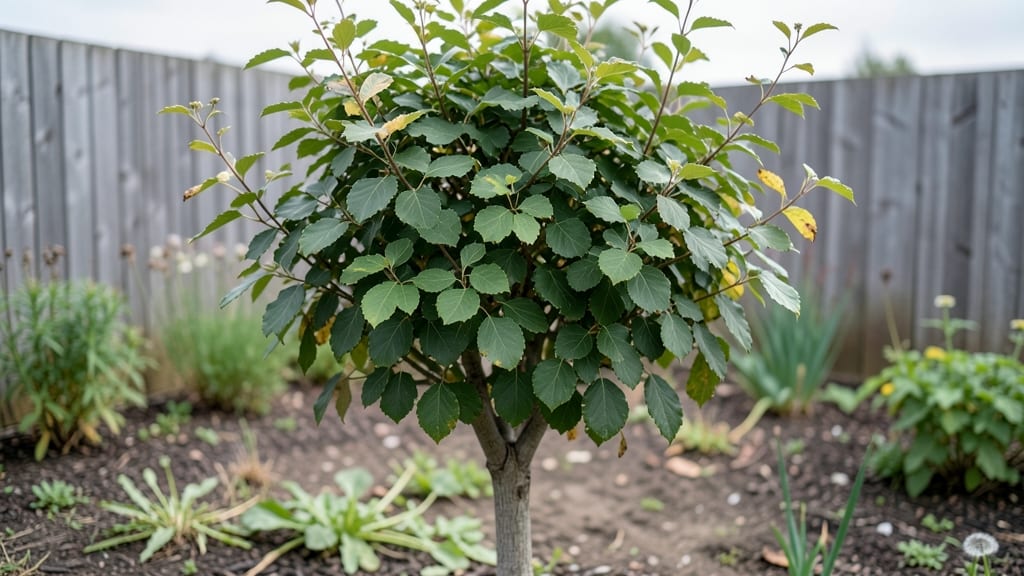
Those little leaf linden tree leaves on your once-lush tree aren’t just a cosmetic issue—they’re a cry for help from a tree that should be thriving year-round. 🌿 I’ve seen this happen when soil, pests, or disease quietly sabotage growth, and the fix often starts with a closer look at what’s really going on beneath those branches.
Start by checking the leaves for telltale signs: yellowing edges, white powder (powdery mildew), or sticky residue (aphids). Nutrient deficiencies show up as pale, sparse leaves, while spider mites leave behind fine webbing.
The good news? Most issues respond to targeted care—whether it’s adjusting watering, applying organic fungicide, or giving the tree a deep feed of compost.
📚 In This Guide
- What you need
- Instructions
- Tips and common mistakes
- Wrapping up and next steps
What you need
- ● Little Leaf Linden saplings: 3–5 trees (depending on desired spacing; 15–20 ft apart for mature growth). Choose healthy, 1–2 ft tall specimens from a trusted nursery.
- ● High-quality soil: 1 cubic yard of well-draining, slightly acidic soil (pH 6.0–7.5). Mix in compost (10–15 lbs) for nutrient-rich planting.
- ● Mulch: 2–3 inches of wood chips or pine straw (avoid fresh wood chips, which can harm roots). Covers a 3 ft radius around each tree.
- ● Organic fertilizer: Slow-release, balanced 10-10-10 or tree-specific fertilizer (1 lb per tree). Apply in early spring and fall.
- ● Watering supplies: Garden hose with adjustable nozzle (for deep watering).
- ● 5-gallon watering can (for young saplings).
- ● Shovel: Round-point or spading shovel for digging planting holes (12–18 inches wide and deep).
- ● Pruning shears: Bypass pruners (for shaping and removing dead branches).
- ○ Leaf blower: Optional but helpful for clearing fallen leaves (especially during peak shedding seasons). Look for a variable-speed model (800–1,200 CFM) for efficiency.
- ● Gloves: Heavy-duty gardening gloves (to protect hands from thorns or rough bark).
- ● Measuring tape: For marking planting locations and spacing.
- ● Sunlight: Full sun to partial shade (6+ hours of sunlight daily for optimal growth).
- ● Space: Mature Little Leaf Lindens reach 30–40 ft tall and 25–35 ft wide. Plan spacing accordingly to avoid overcrowding.
- ● Climate: Hardy in USDA Zones 3–9. Ideal for temperate regions with cold winters.
- ○ Soil test: Optional but recommended to check for deficiencies (e.g., nitrogen, phosphorus). Kits cost ~$20 and save time.
How to plant and maintain a little leaf linden tree for stunning year-round foliage
This fast-growing beauty thrives in tough conditions while keeping its leaves all year—here's how to plant and care for it properly.
🌱 Step 1: Choose the Perfect Planting Spot
The little leaf linden loves full sun but tolerates partial shade, making it versatile for urban or suburban yards. Look for a location with at least 6 hours of direct sunlight daily—this ensures vibrant foliage and that signature rounded shape. Avoid low spots where cold air pools, as lindens hate soggy roots.
Test the soil by digging a 12-inch deep hole and checking drainage. If water pools after 30 minutes, amend with 2-3 inches of compost to improve aeration. The tree thrives in well-draining soil with a pH between 6.0 and 7.5, so a simple soil test kit will confirm you're in the ideal range.
🪴 Step 2: Plant Your Little Leaf Linden Correctly
Dig a hole twice as wide but only as deep as the root ball to encourage outward root growth. Gently remove the tree from its container and loosen any circling roots with your fingers—this prevents girdling as the tree matures. Place the tree in the hole so the top of the root ball sits 1-2 inches above ground level.
Backfill with native soil, tamping lightly every 2 inches to remove air pockets. Water deeply to settle the soil, then create a 3-foot wide mulch ring around the base, keeping mulch 3 inches away from the trunk. Use 2-3 inches of wood chips or shredded bark—never fresh mulch, which can burn roots.
☀️ Step 3: Water and Fertilize for Strong Growth
Water newly planted lindens twice weekly for the first month, then taper to once weekly once established. You'll know it's time to water when the top 2-3 inches of soil feel dry. Overwatering is the biggest mistake—lindens hate wet feet and may develop root rot.
Skip fertilizer for the first year unless soil tests show deficiencies. If needed, apply a balanced 10-10-10 formula in early spring at half the recommended rate. The tree's natural tolerance means it rarely needs supplements—focus on proper watering and sunlight instead.
✂️ Step 4: Prune for Shape and Health
Prune lindens in late winter or early spring before new growth begins. Remove dead, diseased, or crossing branches first, then thin the canopy to improve airflow. Aim to maintain an open, rounded shape—this prevents heavy branch weight from snapping limbs in storms.
Never remove more than 25% of the canopy at once. You'll see vigorous new growth within 4-6 weeks of proper pruning. Lindens respond well to shaping, so feel free to trim for your desired form—just avoid heavy cuts in summer, which stress the tree.
🌿 Step 5: Protect Against Common Pests
Monitor for linden borers and spider mites, which occasionally target stressed trees. If you spot sawdust-like frass near the trunk or webbing on leaves, treat immediately with horticultural oil. Healthy trees rarely suffer severe damage, so consistent care prevents most infestations.
Water deeply during droughts—even drought-tolerant lindens perform best with steady moisture. A mature tree may need 1-1.5 inches of water weekly during dry spells. The key is balance: keep soil moist but never soggy, and you'll have a linden that thrives for decades with minimal fuss.
Tips & tricks for perfect little leaf linden tree care
Here's what I've learned from years of growing these stunning trees—simple tweaks that make all the difference for that signature year-round foliage.
Sunlight Secret: While lindens tolerate partial shade, you'll get the most vibrant year-round color when they receive those 6 hours of direct sunlight daily. In urban areas, south-facing spots work best. I've seen trees in partial shade keep their leaves but with less intensity—worth the extra effort to find that sunny location if you want maximum impact.
Drainage is Non-Negotiable: That 30-minute drainage test in Step 1 is crucial. I once planted a linden in a low spot where water pooled, and within weeks the roots started showing signs of rot. If your soil drains poorly, don't just add compost—consider building up the planting area with a mound of native soil to create better drainage from the start.
Root Ball Placement Matters: When positioning your tree, that 1-2 inch above ground level recommendation isn't just about aesthetics—it prevents water from sitting against the trunk. I've seen many new gardeners bury the root ball too deep, which can suffocate the roots over time. Use a level to check before backfilling.
Pruning Timing Tip: That late winter or early spring pruning window in Step 4 is perfect because you're removing dead branches before new growth starts. But here's what nobody tells you—if you must prune in summer, do it on an overcast day to reduce stress on the tree. I learned this after seeing a linden I pruned on a hot afternoon develop leaf scorch within weeks.
Pro Tips for Little Leaf Linden Tree Leaves
- Here's what I've learned from years of growing these stunning trees—simple tweaks that make all the difference for that signature year-round foliage.
- Sunlight Secret: While lindens tolerate partial shade, you'll get the most vibrant year-round color when they receive those 6 hours of direct sunlight daily.
- Drainage is Non-Negotiable: That 30-minute drainage test in Step 1 is crucial.
Frequently asked questions
Got questions about the stunning little leaf linden tree and its year-round foliage? You’re not alone! Here are some of the most common queries—plus expert answers to help you make the most of this low-maintenance, high-impact tree.
Why do little leaf linden trees keep their leaves longer than other deciduous trees?
The little leaf linden (Tilia cordata) is a hybrid vigor powerhouse—its genetics allow it to retain leaves well into fall (and sometimes even winter in mild climates). Unlike traditional deciduous trees, its thick, waxy leaves resist early browning, giving it a near-evergreen appearance. Plus, its dense canopy provides shade year-round—even when leaves finally drop!
When is the best time to plant a little leaf linden for maximum leaf retention?
For optimal establishment (and future leaf longevity), plant in early spring or fall. Avoid late summer heatwaves, which can stress young roots. A well-drained, slightly acidic soil (pH 6.0–7.5) + 1–2 inches of mulch will keep leaves lush longer. Pro tip: Water deeply 2–3 times per week the first year to encourage deep root growth.
How do I prune a little leaf linden to encourage thicker, longer-lasting foliage?
Prune in late winter or early spring (before buds swell) to remove dead/diseased branches and thin the canopy for airflow. Avoid heavy pruning—lindens respond best to light shaping. Focus on raising the crown to improve sunlight penetration, which boosts leaf health. Never top the tree—it weakens structure and reduces leaf retention.
Are there alternatives to little leaf linden for year-round greenery?
Yes! If you love the look but need faster growth or drought tolerance, consider:
- Serviceberry (Amelanchier) – Small tree with semi-evergreen leaves + edible berries.
- Hornbeam (Carpinus betulus) – Glossy leaves, holds color late into fall.
- Oakleaf Hydrangea (Hydrangea quercifolia) – Deciduous but stunning exfoliating bark in winter.
- Evergreen Magnolia (Magnolia grandiflora) – True evergreen, but slower-growing.
Why are my little leaf linden’s leaves turning yellow or brown prematurely?
Premature leaf drop or discoloration usually signals stress. Check for:
- Overwatering – Yellow leaves = soggy roots. Ensure well-draining soil.
- Underwatering – Crispy edges? Water deeply 1–2x/week in dry spells.
- Pests – Spider mites or scale insects suck sap, causing browning. Treat with neem oil.
- Fungal issues – Powdery mildew (white dust) thrives in humid conditions. Prune for airflow + fungicide if needed.
Wrapping up and next steps
The little leaf linden tree is a standout choice for year-round beauty and resilience, especially in regions with harsh winters. Its stunning foliage, adaptability, and low-maintenance care make it a top-tier option for homeowners looking to outshine evergreens.
Whether you're a gardening novice or a seasoned pro, this tree promises easy elegance with minimal effort.
Ready to transform your landscape? Start by researching local nurseries or checking soil conditions in your area—then plant with confidence! Your yard will thank you for this effortless upgrade.