Plants
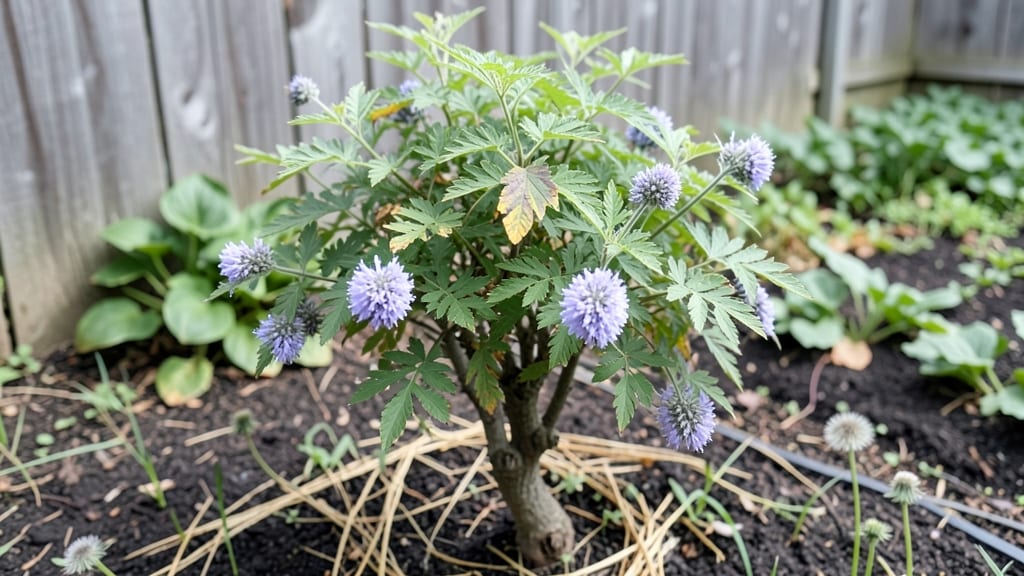
The chaste tree in Spanish is commonly called agracejo (ah-grah-SEH-ho) or árbol de la castidad, with regional variations like cardillo or castaño silvestre. Its botanical name, Vitex agnus-castus, remains consistent across Spanish-speaking cultures.
The chaste tree's Spanish names reveal its deep cultural roots, especially in traditional medicine and folklore. 🌿 Agracejo (meaning "little goat" in some dialects) reflects its historical use in herbal remedies, while árbol de la castidad ("tree of chastity") ties to its reputation for balancing hormones.
Regional names like cardillo in Mexico or castaño silvestre in Argentina often highlight local botanical characteristics or medicinal applications. These variations aren't just linguistic—they show how the plant adapted to different cultural needs over centuries.
What's fascinating is how pronunciation shifts across regions.
For example, the stress on agracejo can fall differently depending on whether you're in Spain or Latin America, which affects how native speakers recognize the plant when discussing it. 🔥 The botanical name Vitex agnus-castus remains stable, but its common names tell stories about how people have interacted with this plant for generations.
💡 In This Article
- Botanical and Cultural Names for Chaste Tree in Spanish
- Pronunciation Guide for Spanish Chaste Tree Names
Botanical and cultural names for chaste tree in Spanish
The name agracejo originates from the Latin agnus castus, meaning "chaste lamb," reflecting its ancient reputation in European herbalism.
This connection ties back to the plant's historical use by Greek and Roman physicians like Dioscorides, who documented its effects on reproductive health. 🌿 The term árbol de la castidad (tree of chastity) emerged later, emphasizing its symbolic role in religious traditions where it was believed to promote purity and balance.
Regional variations reveal fascinating cultural adaptations. In Mexico, cardillo (from cardar, meaning "to comb") describes the plant's feathery foliage, while in Argentina, castaño silvestre (wild chestnut) highlights its resemblance to chestnut trees.
These local names often reflect practical botanical observations rather than medicinal lore, showing how plants adapt to regional naming conventions.
The botanical name Vitex agnus-castus remains constant because it follows the standardized Linnaean nomenclature system. However, the common names tell stories about how different cultures interacted with this plant.
For example, in Spain, agracejo is pronounced with stress on the second syllable (ah-grah-SEH-ho), while in Latin America, the stress often shifts to the first syllable (ah-grah-SEH-ho), demonstrating linguistic evolution over centuries.
Historically, these names weren't just labels—they carried practical significance. Herbalists in medieval Spain used agracejo to treat menstrual disorders, while indigenous communities in Central America relied on similar plants for fertility regulation. The names evolved alongside these uses, blending scientific observation with cultural belief systems.
What's particularly interesting is how the plant's medicinal properties influenced its nomenclature. The term castidad (chastity) in árbol de la castidad reflects its role in hormonal balance, a concept deeply embedded in both religious and medical traditions.
This duality—scientific and symbolic—makes the chaste tree's names a rich linguistic and cultural artifact.
Today, these names persist in modern herbalism and gardening circles, where agracejo remains the most widely recognized term. The consistency of the botanical name ensures global scientific communication, while the regional variations preserve local botanical knowledge and cultural heritage.