
Trees
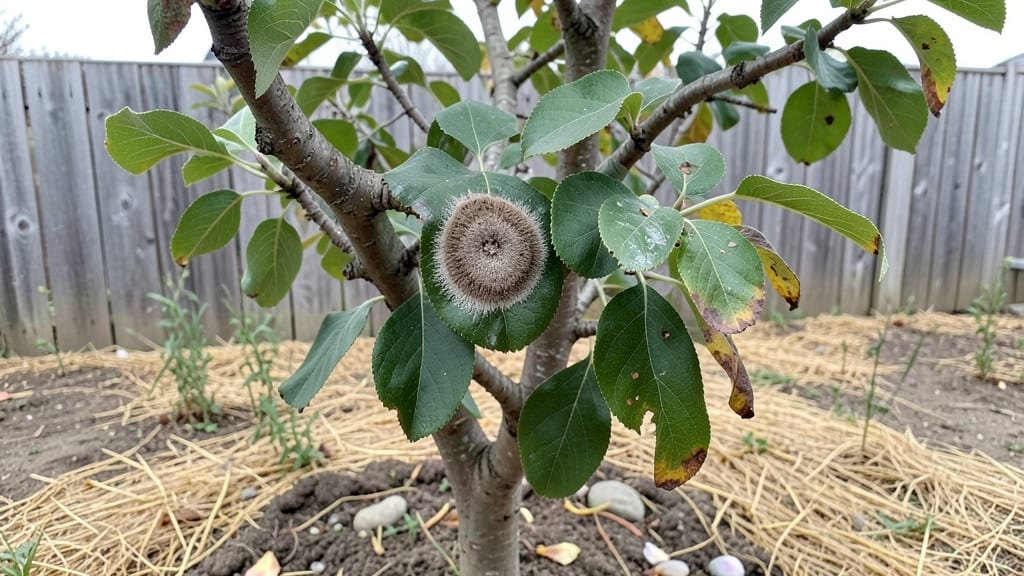
Mastering plum tree fungus identification early can rescue your harvest before damage spreads—those dark spots or fuzzy white patches aren’t just unsightly. rot fruit. I’ve seen healthy plum trees go from lush to lifeless in a single season when these issues spread unchecked.
Most fungal problems start with poor airflow or wet foliage, but even healthy trees get hit. Look for velvety gray mold on fruit (brown rot), powdery white patches on leaves (mildew), or sunken black lesions on bark (anthracnose).
The key is catching symptoms early—before spores spread. A simple magnifying glass helps confirm the texture and shape of the damage, which tells you exactly what you’re dealing with.
Once you spot the issue, act fast: prune infected branches 6 inches below visible damage, sterilize tools with rubbing alcohol, and remove fallen fruit or leaves from the ground. For mild cases, a baking soda spray (1 tablespoon per gallon of water) can stop powdery mildew in its tracks.
Severe infections? Copper fungicides or neem oil are your next line of defense—but timing matters.
Prevention is easier than cure: space trees for airflow, water at the base (not overhead), and prune in late winter to reduce fungal overwintering spots. I’ve kept my plum trees thriving for years by treating them like the high-maintenance divas they are—just a little TLC goes a long way.
Let’s get those trees back to peak health.
Why it happens
Fungal infections in plum trees aren’t random—they thrive when specific conditions align, often tied to environmental stress, poor maintenance, or natural vulnerabilities. Understanding why these pathogens take hold is the first step to preventing them.
Below, we break down the key factors that create the perfect storm for fungal growth, from Botryosphaeria to Monilinia and beyond.
Plum trees, like all plants, rely on a robust immune system to fend off pathogens. When this system is compromised, fungi exploit the opportunity. Here’s how it happens:
- Nutrient Deficiencies: A lack of essential nutrients—especially nitrogen, phosphorus, or potassium—weakens cell walls, making them easier targets. 💡 Pro Tip: Conduct a soil test to check pH (ideal: 6.0–7.0) and amend with compost or balanced fertilizer if levels are low.
- Water Stress: Both overwatering (leading to root rot) and drought (reducing turgor pressure) stress trees. Fungi like Armillaria (honey fungus) thrive in saturated soil, while Cercospora spreads faster in drought-stressed leaves.
- Physical Damage: Pruning wounds, storm breaks, or insect bore holes create entry points. Fungi such as Valsa (canker disease) invade through these openings within days.
🔍 Actionable Fix: Prune during dormant season (late winter), sterilize tools with 70% alcohol, and seal large cuts with pruning sealant to minimize infection risks.
Fungi are opportunistic—most need three things to flourish: moisture, warmth, and organic debris. Plum trees often provide all three, especially in humid climates or after heavy rains.
| Fungus Type | Trigger Conditions | Prevention Strategy |
|---|---|---|
| Monilinia fructicola (Brown Rot) | Warm nights (75–85°F) + high humidity + flower blooms (provides food) | Thin fruit clusters to improve airflow; apply copper fungicide before bloom. |
| Botryosphaeria (Dieback) | Poor drainage + compacted soil + weak branches | Improve drainage with gypsum or sand; remove infected limbs immediately. |
| Powdery Mildew (Erysiphe) | Shady, crowded canopies + temperatures 60–80°F + dew | Space trees for airflow; spray neem oil or sulfur fungicide at first signs. |
⚠️ Warning: Fungal spores can survive years in dead leaves or wood debris. 🔥 Clean Up: Rake and destroy fallen leaves in fall; avoid mulching near the trunk.
Some fungi don’t act alone—they hitchhike on insects or other organisms that damage trees. Here’s how pests enable fungal spread:
- Sap-Sucking Insects: Aphids, scale, and mites weaken trees by feeding on sap, creating sticky honeydew that fosters sooty mold (Capnodium). This mold blocks sunlight, further stressing the tree.
- Boring Insects: Plum curculio beetles and wood-boring weevils create tunnels that invite Nectria or Hypoxylon fungi. The larvae’s frass (droppings) also traps moisture.
- Birds and Mammals: While not direct carriers, animals spreading fungal spores (e.g., Armillaria from infected wood chips) can introduce pathogens to healthy trees.
🛡️ Defense Plan: Use kaolin clay or insecticidal soap to deter pests early. For severe infestations, consult a local arborist about systemic treatments like imidacloprid.
Fixing Fungal Issues in Plum Trees
Fungal infections can turn your thriving plum tree into a sad, defoliated shadow—but don’t panic! With the right approach, you can reverse the damage, restore your tree’s health, and keep future outbreaks at bay.
Below are practical, step-by-step solutions tailored to the most common fungal causes, plus prevention tips to protect your tree long-term.
🔥 Cause: Infected blossoms, fruit, and twigs turn brown, mummify, and drop prematurely. 👨🍳 Fix It:
- 🍎 Prune Aggressively (Early Spring or Dormant Season)
- Remove all infected branches (look for brown, shriveled fruit or cankers).
- Cut 6 inches below visible damage to ensure spores aren’t left behind.
- Dispose of prunings in a sealed bag—do not compost them!
- 🧴 Apply Fungicide Sprays (Preventative & Curative)
- Pre-bloom spray (before flowers open): Use copper fungicide or myclobutanil (follow label rates).
- Post-harvest spray (after fruit drop): Repeat with bactericide + fungicide mix (e.g., Serenade ASO + Captan).
- Reapply every 7–14 days during wet seasons.
- 🌡️ Improve Airflow & Sanitation
- Thin out dense branches to reduce humidity near the canopy.
- Rake and remove fallen leaves/fruit from under the tree—these harbor spores!
💡 Pro Tip: If brown rot is severe, consider removing the tree in extreme cases (consult a local arborist).
🔥 Cause: Dark spots with yellow halos on leaves, leading to premature leaf drop and weakened growth. 👨🍳 Fix It:
- 🍃 Clean Up Debris Immediately
- Remove and destroy all infected leaves (do not leave them on the ground).
- Sterilize pruners with rubbing alcohol between cuts.
- 🌿 Use Organic or Chemical Fungicides
- Preventative: Spray with neem oil or baking soda mix (1 tbsp baking soda + 1 tsp dish soap + 1 gallon water).
- Active infection: Switch to chlorothalonil or propiconazole (follow instructions carefully).
- 🌧️ Adjust Watering Practices
- Water at the base (avoid overhead spraying, which spreads spores).
- Water early in the day so leaves dry quickly.
✨ Prevention Boost: Mulch around the base (2–3 inches of wood chips) to reduce soil splashing onto leaves.
🔥 Cause: White, powdery coating on leaves, stunting growth and reducing fruit quality. 👨🍳 Fix It:
- 💦 Increase Air Circulation
- Prune to open the canopy—powdery mildew thrives in shady, humid conditions.
- Space trees properly (15–20 feet apart for dwarf varieties).
- 🧼 Spray with Homemade or Store-Bought Remedies
- Milk spray (1 part milk to 9 parts water + a drop of dish soap) – spray every 7–10 days.
- Sulfur-based fungicides (like Liqui-Cop) – apply early morning or late evening (avoid direct sun).
- 🌿 Strengthen the Tree’s Defense
- Fertilize with potassium (encourages disease resistance).
- Avoid nitrogen-heavy fertilizers (they promote soft, mildew-prone growth).
🎯 Long-Term Fix: Plant resistant varieties like Santa Rosa or Methley if powdery mildew is recurrent.
🔥 Cause: Black, shelf-like fungi at the base, wilting, and dieback—often fatal if untreated. 👨🍳 Fix It:
- 🔪 Surgical Removal of Infected Tissue
- Dig around the base and remove all visible fungal growth (wear gloves!).
- Disinfect tools with bleach or alcohol between cuts.
- 🌱 Soil Treatment & Barrier Methods
- Apply copper fungicide to the base of the trunk (follow label rates).
- Install a physical barrier (like a metal collar) to prevent spread to other plants.
- Improve drainage—funghi like Phytophthora thrive in waterlogged soil.
- 🌿 Boost Tree Health with Care
- Deep-water weekly (1–2 inches per week) during dry spells.
- Avoid wounding the trunk (use sharp, clean pruners only).
💡 Emergency Tip: If the tree is already dead, remove it immediately to prevent spread to nearby plants.
✅ 🌱 Plant in the Right Spot – Ensure 6+ hours of sunlight and well-draining soil. ✅ 🍃 Choose Resistant Varieties – Some plums (like Stanley or Black Diamond) are less prone to disease. ✅ 🌧️ Water Wisely – Deep and early (never overhead in the evening). ✅ 🧹 Sanitize Everything – Clean pruners, rakes, and tools with bleach or alcohol. ✅ 🍂 Mulch Properly – Use wood chips (not fresh mulch) and keep 3 inches away from the trunk. ✅ 📅 Monitor & Act Fast – Inspect weekly during rainy seasons and treat at the first sign of fungus.
🌟 Final Thought: Fungal diseases are manageable—but early action is key! By pruning strategically, using fungicides wisely, and improving growing conditions, your plum tree can bounce back stronger than ever. Stay vigilant, and your tree will reward you with years of healthy fruit! 🍑🌿
Frequently asked questions
What are the most common signs of fungal infection in plum trees?
Look for dark brown or black spots on leaves (often with yellow halos), powdery white coatings (powdery mildew), or shriveled, mummified fruit (brown rot). Check bark for sunken cankers or black shelf-like growth at the base—these indicate serious infections. Early detection is key to stopping spread!
Can I use household items to treat fungal issues?
Yes! For powdery mildew, mix 1 tablespoon baking soda + 1 teaspoon dish soap + 1 gallon water and spray leaves. A milk spray (1:9 milk-to-water ratio) also works well. For leaf spots, neem oil or copper fungicide (available at garden centers) are effective. Always test a small area first to avoid damage.
How do I know if my plum tree’s fungus is spreading?
Watch for new symptoms on healthy leaves, premature fruit drop, or wilted branches. Fungal spores spread quickly in moist conditions—if you see white fuzzy growth (like cotton) or black spots expanding, act fast. Remove infected debris immediately and prune 6 inches below visible damage to contain it.
Is it safe to compost leaves with fungal spots?
No! Fungal spores survive composting and can reinfect your tree. Bag and throw away infected leaves in sealed trash. If composting is unavoidable, use high-heat composting (140°F+ for 15+ days) to kill pathogens—but even then, avoid using this compost near your plum tree.
When is the best time to prune infected branches?
Prune during dormant season (late winter) to minimize stress and prevent spore spread. If you spot fungus after blooming, remove infected branches immediately—but sterilize tools with rubbing alcohol between cuts. Avoid pruning during wet weather, as this increases infection risk.