Diseases
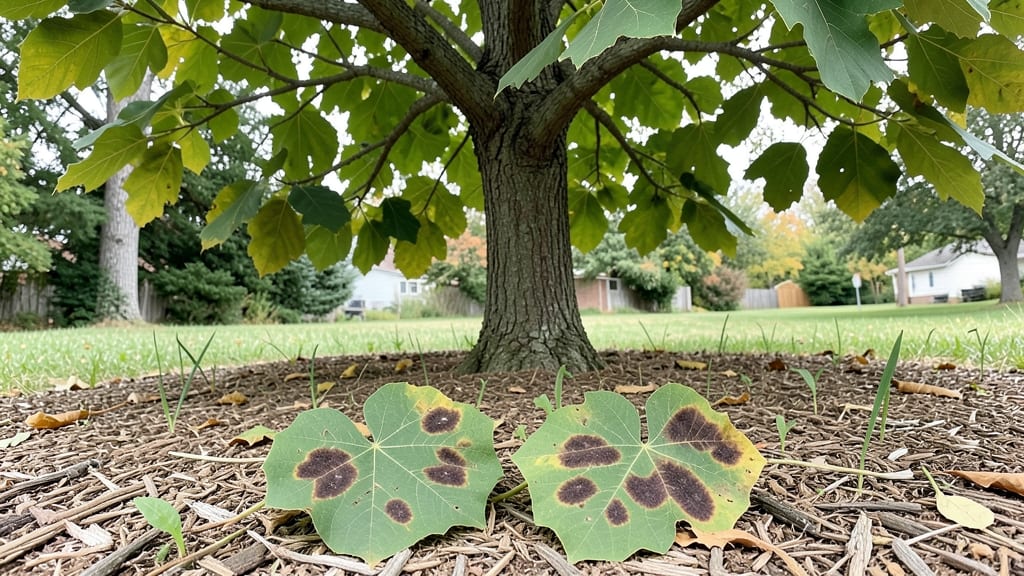
Catalpa tree diseases can turn your shade giant into a leafy shadow of itself—if you don’t catch them early. 🌿 I’ve seen anthracnose blotch catalpa leaves black overnight, while verticillium wilt drains vitality from the roots like a slow leak.
The good news? Most issues start with visible symptoms you can spot before they cripple your tree.
These problems thrive when catalpas get stressed—too much shade, poor drainage, or last year’s pruning wounds still healing. Powdery mildew, for example, loves the humid summer air and crowded branches, while bacterial infections often sneak in through damaged bark.
The key is checking your tree’s leaves, bark, and soil every few weeks during growing season.
You’ll learn to recognize the telltale signs—yellowing between veins, dark spots, or wilting despite deep watering—and how to treat them without harsh chemicals. Organic sprays, proper pruning, and soil care can bring your catalpa back to its lush, flowering self. Let’s get your tree healthy again before next season’s bloom.
Whether you’re dealing with a young sapling or a mature shade tree, these solutions work for all catalpa varieties. The sooner you act, the sooner your tree can bounce back—sometimes even mid-season. Here’s how to diagnose and fix it before the damage spreads.
Underlying Triggers Of Tree Stress
Catalpa trees, with their striking blooms and lush foliage, are prized in landscapes—but their health can quickly decline when underlying factors weaken their defenses. Understanding why these diseases take hold starts with recognizing the environmental and biological stressors that create the perfect storm for pathogens.
Here’s a breakdown of the key culprits, explained in clear, actionable terms.
Catalpa trees thrive in well-drained soil and full sun, but when their growing conditions stray from ideal, they become vulnerable to infections. Environmental stressors like drought, poor soil quality, or physical damage create entry points for fungi and bacteria.
💧 Water-Related Imbalances: Too Much or Too Little
Catalpas are sensitive to both drought stress and waterlogging. When roots struggle to absorb moisture or sit in soggy soil, their immune response weakens, making them susceptible to:
- Verticillium wilt: A fungal disease that clogs the tree’s vascular system, thriving in consistently moist soil. Research shows that Verticillium spores lie dormant in soil until roots become stressed, then invade through tiny wounds.
- Root rot (Phytophthora): Excessive irrigation or poor drainage creates anaerobic conditions, where Phytophthora fungi multiply rapidly. These pathogens smother roots, cutting off nutrient uptake and leaving the tree defenseless.
Actionable fix: Test soil drainage by digging a 12-inch hole—if water pools after 6 hours, amend with compost or sand. During droughts, deep watering (1–2x weekly) encourages root growth deeper into the soil profile.
🌡️ Extreme Temperatures and Heat Stress
Catalpas are hardy but can succumb to heat stress during prolonged high temperatures (above 90°F/32°C). Heat weakens the tree’s cuticle—the waxy outer layer—making it easier for pathogens like Cercospora (a fungal leaf spot) to penetrate.
Additionally, temperature fluctuations (e.g., hot days followed by cold nights) disrupt the tree’s metabolic processes, reducing its ability to produce protective compounds like phenolics, which normally repel fungi.
Actionable fix:
- Mulch heavily (3–4 inches of organic mulch) to insulate roots and retain moisture.
- Provide afternoon shade with nearby trees or shade cloth if your region experiences extreme heat.
🏗️ Physical Damage from Pruning or Storms
Open wounds from poor pruning, hail, or mechanical injury create direct pathways for bacteria and fungi. For example:
- Bacterial leaf scorch (Xylella fastidiosa) enters through pruning cuts that aren’t sealed properly, clogging the tree’s water transport system.
- Canker diseases (e.g., Nectria) infect exposed wood, forming sunken, oozing lesions that spread if left untreated.
Actionable fix:
- Prune during dormant season (late winter/early spring) to minimize stress.
- Use sterilized tools (70% isopropyl alcohol) and make cuts just outside the branch collar to promote faster healing.
- Seal large wounds with pruning sealant (for wounds > ½ inch in diameter) within 24 hours.
Even the hardiest catalpa trees can’t fight off invaders if the right conditions align. Pathogens like fungi and bacteria often hitchhike on environmental cues or human activity to establish infections.
🍄 Fungal Spores: The Silent Invaders
Fungal diseases (e.g., Septoria leaf spot, Anthracnose) rely on spores, which are lightweight and spread via wind, water, or contaminated tools. Key triggers include:
- High humidity (70%+): Spores germinate faster in damp conditions, as seen with Anthracnose, which thrives in leaf wetness for >9 hours.
- Old, decaying leaves: Overwintering spores on fallen foliage reinfect trees the following spring. Septoria spores can survive for years in leaf litter.
- Contaminated pruners or mulch: Fungal spores cling to tools or organic matter, spreading to healthy trees during maintenance.
Actionable fix:
- Rake and remove fallen leaves in autumn, then dispose of them in yard waste (not compost piles).
- Water trees early in the day to allow foliage to dry before evening humidity peaks.
- Sterilize pruners between cuts with bleach solution (1 part bleach:9 parts water).
🦠 Bacterial Hitchhikers: Water and Insect Vectors
Bacterial diseases (e.g., Pseudomonas syringae, Erwinia) often enter through water splash or insect activity. For instance:
- Overhead irrigation: Water droplets carrying bacteria land on leaves, creating entry points through stomata (leaf pores).
- Sap-feeding insects (e.g., aphids, scale): These pests injure plant tissues while feeding, leaving wounds for bacteria to exploit.
- Poor air circulation: Dense plantings or thick canopies trap moisture, creating ideal conditions for bacterial growth.
Actionable fix:
- Switch to drip irrigation or soaker hoses to avoid wetting foliage.
- Thin out branches to improve airflow (aim for a 20–30% open canopy).
- Apply neem oil or horticultural oil to control insect populations before they cause damage.
Below-ground pathogens often go unnoticed until a catalpa tree’s health visibly declines. These soil-dwelling microbes exploit compromised root systems or imbalanced soil chemistry.
🍄 Fungal Root Infections: The Silent Root Rot
Soil-borne fungi like Armillaria (honey fungus) or Fusarium target stressed roots, leading to:
- Reduced nutrient uptake: Fungi compete with roots for water and minerals, starving the tree.
- Root decay: Armillaria produces enzymes that break down cellulose in roots, causing a mushroom-like growth at the base.
Actionable fix:
- Test soil for pH imbalances (ideal range: 6.0–7.0 for catalpas). Amend with lime (to raise pH) or sulfur (to lower pH)
Quick Fixes for Sick Catalpa Trees
When your catalpa tree starts showing signs of distress—whether it’s wilting leaves, oozing cankers, or mysterious spots—acting fast can save it. Below are practical, step-by-step solutions tailored to the most common diseases, plus prevention tips to keep your tree thriving.
Think of this as your emergency care kit for catalpa health!
Fungi love damp conditions, so the first step is cutting off their water supply and boosting airflow.
🍄 Powdery Mildew: The Fluffy White Coat
Fix: 1. 🔥 Prune for Airflow – Remove crowded branches to improve circulation. Aim for open, airy canopies—fungi hate dry air!
- 🍳 Spray with Baking Soda Mix – Combine 1 tsp baking soda + 1 quart water + a drop of dish soap (as a surfactant). Spray every 7–10 days until the white fuzz disappears.
- 🌡️ Fungicide Boost – For stubborn cases, use neem oil or a copper-based fungicide (follow label rates). Apply at dawn or dusk to avoid burning leaves.
💡 Prevention Tip:
- Water at the base (not overhead) to keep foliage dry.
- Space trees 10+ feet apart to reduce humidity buildup.
🍅 Anthracnose: The Spotty Leaf Killer
Fix:
- 👨🍳 Clean Up Debris – Rake and remove fallen leaves (they’re fungus incubators!). Bag and dispose of them in the trash—not the compost!
- ⏰ Early Morning Sprays – Use copper fungicide or potassium bicarbonate (like Bonide Fung-onil).
Reapply every 2–3 weeks during wet seasons. 3. ✂️ Prune Infected Branches – Cut out dark, sunken spots and dispose of them far from the tree.
💡 Prevention Tip:
- Avoid overhead irrigation—drip systems or soaker hoses work best.
- Mulch properly: Keep mulch 2–3 inches deep and 6 inches away from the trunk to prevent moisture traps.
🍖 Root and Stem Rot: The Silent Killer
Fix: 1. 🔪 Dig and Drain – If the soil is soggy for days, improve drainage by:
- Adding sand or compost to heavy clay soil.
- Creating a swale (a shallow trench) to redirect water away from roots.
- 🌱 Fungicide Soil Drench – Use mycorrhizal fungi (like MycoApply) or benomyl-based fungicides in the root zone. Water deeply after application.
- 🚫 Avoid Overwatering – Let the top 2 inches of soil dry out between waterings.
💡 Prevention Tip:
- Test your soil—aim for pH 6.0–7.0 (fungi thrive in acidic conditions).
- Plant catalpas in well-draining soil—avoid low spots where water pools.
Bacteria spread fast, so sterilization is key.
🥘 Bacterial Leaf Spot: The Oily Stain
Fix:
- 🔪 Sterilize Tools – Clean pruners with rubbing alcohol between cuts to prevent spreading.
- 🍳 Copper Spray Treatment – Use copper hydroxide (like Kocide) every 10–14 days during outbreaks.
- 🌡️ Remove Severely Infected Leaves – Snip off blackened, oily-looking spots and dispose of them immediately.
💡 Prevention Tip:
- Water in the early morning so leaves dry quickly.
- Avoid wounding the tree—bacteria enter through cuts!
🍎 Canker Disease: The Bark’s Worst Enemy
Fix:
- ✂️ Prune Out Cankers – Cut 6 inches below and above the infected area. Burn or bag the infected wood (don’t compost!).
- 🍳 Wound Dressing – Apply pruning paint or copper-based wound sealant to large cuts to prevent reinfection.
- 🌱 Boost Tree Health – Fertilize with balanced, slow-release fertilizer (like 10-10-10) to help the tree recover.
💡 Prevention Tip:
- Inspect trees yearly for early signs (sunken, oozing bark).
- Keep the area around the tree weed-free—weeds harbor disease.
Even after treating diseases, prevention is your best tool.
Problem Solution Prevention Tip Weak Growth Fertilize with iron & zinc Test soil every 2–3 years Pests Attracting Fungi Spray neem oil monthly Install tree bands to catch borers early Poor Airflow Thin out dense branches Prune in late winter/early spring Final Pro Tip: 🌟 Healthy trees fight disease better! Regularly check for nutrient deficiencies (yellowing leaves?), pests, and structural issues (weak branches?). A strong catalpa is less likely to fall prey to fungi and bacteria.
Now grab your gloves, spray bottle, and pruners—your catalpa’s fighting chance starts today! 🌳💪
Frequently asked questions about catalpa tree diseases
1What are the most common signs my catalpa tree might be sick?
Watch for yellowing or browning leaves, especially between veins, which often signals fungal issues like anthracnose. Look for dark spots or powdery white coatings on foliage (powdery mildew), and check the bark for oozing cankers or sunken lesions. Wilting despite proper watering could indicate verticillium wilt or root rot.
2Can I treat catalpa diseases with organic methods?
For fungal issues like powdery mildew, mix 1 teaspoon baking soda + 1 quart water + a drop of dish soap and spray every 7-10 days. Use neem oil or copper fungicide for stubborn cases. For bacterial problems, sterilize tools with rubbing alcohol and remove infected leaves immediately. Organic sprays work best when combined with proper pruning and airflow improvements.
3How do I know if my catalpa has root rot instead of just drought stress?
Root rot causes yellowing leaves that don't improve with watering, plus mushroom growth at the base or soft, spongy roots when dug up. Drought stress shows dry, crispy leaf edges that recover after watering. Test soil moisture by sticking your finger 2 inches deep—if it's soggy for days, you likely have root rot. Improve drainage immediately by adding compost or sand.
4Is it safe to prune my catalpa when it's diseased?
Yes, but do it carefully! Prune during dormant season (late winter) to minimize stress. Sterilize tools between cuts with 70% isopropyl alcohol, and remove only infected branches—cut 6 inches below visible cankers. Never compost diseased wood; bag and dispose of it far from your yard. Seal large wounds with pruning paint to prevent reinfection.
5Will my catalpa recover if I treat diseases late in the season?
Treatment is most effective early in the season (spring), but you can still help your tree recover in late summer/fall. Focus on removing infected foliage, improving airflow, and applying copper fungicide or baking soda spray. While new growth may be limited, proper care can prevent spread and help the tree survive until next season. Healthy soil and mulching will support recovery during dormancy.