Diseases
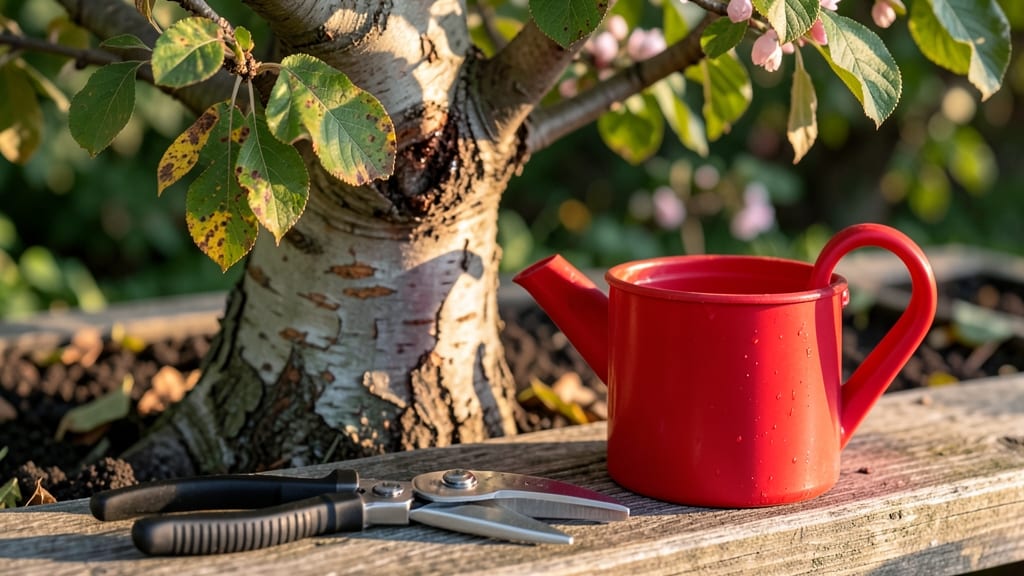
Apricot tree diseases can turn your backyard harvest into a disappointment faster than you think. 🌿 I’ve watched healthy trees go from lush canopies to skeletal branches in just a few seasons, and the key to saving them is catching problems early—before the fruit starts rotting on the branches.
The good news? Most issues have clear warning signs if you know what to look for.
Brown spots on leaves, oozing cankers on bark, or fruit that’s suddenly mealy instead of juicy—these aren’t just random flaws. They’re red flags for fungal infections, bacterial blights, or even pest damage that spreads fast if ignored.
My first apricot tree nearly died from silver leaf disease because I missed the early signs of wilting leaves and discolored veins. Now I inspect mine every two weeks, especially after rain.
With the right treatments—neem oil sprays, copper fungicides, or pruning out infected branches—you can restore your tree’s health and keep next year’s crop vibrant. The goal isn’t just to fix damage but to create a routine that prevents future outbreaks.
Think of it like a health checkup for your tree, where early action means fewer headaches (and more apricots) down the line.
This guide breaks down the most common diseases, their sneaky symptoms, and the organic or chemical fixes that actually work. Whether you’re dealing with a single branch issue or a full-blown crisis, knowing when to act—and when to call in an arborist—makes all the difference.
Let’s get your tree back on track.
Root Causes Behind Tree Ailments
Apricot trees, like any fruit-bearing plant, are vulnerable to diseases—but understanding why these issues arise is the first step to prevention. Below, we break down the key factors that weaken apricot trees and invite pests or pathogens to take hold.
Apricot trees thrive in specific climates, and when conditions stray too far from their ideal range, stress sets in—making them susceptible to disease.
- Extreme Temperature Swings: Apricots prefer USDA Zones 5-9, with warm days and cool nights. Sudden freezes (<32°F) or heatwaves (>95°F) weaken the tree’s defenses, allowing fungal spores (like Monilinia) to infect blossoms or fruit.
- High Humidity: Stagnant, damp air (especially >75% humidity) creates the perfect breeding ground for Botrytis cinerea (gray mold) and Cladosporium. These fungi thrive in crowded orchards or shaded canopies where airflow is poor.
- Poor Drainage: Waterlogged soil (from heavy clay or overwatering) cuts off oxygen to roots, leading to root rot (e.g., Phytophthora). Weak roots struggle to absorb nutrients, leaving the tree vulnerable to secondary infections.
Pests don’t just damage leaves—they create entry points for diseases. Here’s how they set the stage:
- Boring Insects (e.g., Shot Hole Borers): These beetles drill into bark, creating wounds where bacterial canker (Pseudomonas syringae) can seep in. The tree’s sap oozes, attracting more pests in a vicious cycle.
- Sap-Sucking Bugs (Aphids, Scale): Their sticky honeydew feeds sooty mold fungi, which smothers leaves and blocks sunlight. Stressed trees with reduced photosynthesis become prime targets for leaf spot diseases.
- Fruit-Flying Insects (e.g., Oriental Fruit Moth): Larvae burrow into apricots, creating wounds that invite brown rot (Monilinia fructicola) to colonize. The fruit rots from the inside out, spreading spores to other trees.
Even the best apricot trees suffer when care falls short. These common mistakes invite disease:
| Mistake | Disease Risk | Why It Happens |
|---|---|---|
| Overhead Irrigation | Powdery Mildew (Podosphaera) | Wet foliage for prolonged periods gives fungal spores moisture to germinate. Tip: Use drip irrigation to keep leaves dry. |
| Pruning at Wrong Time | Silver Leaf Disease (Chondrostereum) | Cutting branches during wet seasons (spring/fall) opens wounds that Tip: Prune in dry, dormant seasons (late winter) to minimize risk. |
| Planting Too Close Together | Canker (Leucostoma) | Poor airflow traps humidity, and crowded trees rub bark, creating abrasions. Tip: Space trees 15–20 feet apart for airflow. |
Just like humans, apricot trees get sick when their natural defenses are compromised. These factors lower their resistance:
- Nutrient Deficiencies: Lack of zinc, boron, or potassium stunts growth, making trees more prone to bacterial spot. Soil tests reveal imbalances—Tip: Amend soil with compost or organic matter before planting.
- Root Grafting Issues: If apricot trees are grafted onto poor rootstock (e.g., peach roots), they struggle to uptake water/nutrients, leading to declining vigor and disease susceptibility.
- Old Age or Stress: Mature apricot trees (>20 years) have thinner bark and weaker sap flow, making them easier targets for canker or dieback. Tip: Renew orchards every 15–20 years or prune to rejuvenate growth.
Quick Fixes for Apricot Tree Ailments
Now that you’ve identified the issue plaguing your apricot tree, it’s time to take action! Early intervention is key to saving your tree and ensuring a bountiful harvest. Below are practical, step-by-step solutions tailored to each common disease, along with prevention tips to keep your tree thriving.
Cause: Pseudomonas syringae or Xanthomonas bacteria spread by rain, wind, or contaminated tools.
How to Treat It:
- 🔥 Prune Infected Branches Remove and destroy (do not compost) leaves, fruits, or branches showing dark spots with yellow halos. Use sterilized pruners (wipe with rubbing alcohol between cuts) to avoid spreading bacteria.
- 🌡️ Apply Copper-Based Fungicide Spray a copper fungicide (like copper hydroxide) every 7–10 days during wet seasons. Follow label instructions—overuse can harm the tree.
- 💡 Improve Airflow & Drainage Thin out dense foliage and ensure the tree isn’t planted in low-lying areas where water pools. Mulch with straw (not wood chips) to reduce soil splashing.
Prevention Tips: ✔ Sanitize tools before and after pruning. ✔ Avoid overhead watering—use drip irrigation instead. ✔ Remove fallen leaves promptly to break the bacterial cycle.
Cause: Podosphaera leucotricha fungus thrives in hot, dry conditions and appears as white, powdery patches on leaves.
How to Treat It:
- 🍳 Spray Neem Oil or Sulfur Mix 1 tsp neem oil + 1 tsp baking soda + 1 tsp horticultural oil per gallon of water. Spray early morning or evening (avoid direct sunlight) every 5–7 days until symptoms fade.
- 👨🍳 Boost Tree Resilience Fertilize with a balanced, low-nitrogen formula (e.g., 5-5-5) to strengthen the tree’s defenses. Avoid excessive nitrogen, which encourages lush growth but weakens resistance.
- 🌿 Prune for Sunlight Access Thin out crowded branches to improve airflow. Powdery mildew loves shaded, humid spots—let sunlight dry leaves faster.
Prevention Tips: ✔ Space trees 10–15 feet apart to reduce humidity buildup. ✔ Water at the base (not overhead) to keep foliage dry. ✔ Plant resistant varieties like ‘Blush’ or ‘Royal’ apricots if mildew is recurrent.
Cause: Wilsonomyces carpophilus creates tiny, dead-center spots that enlarge into holes, often in spring.
How to Treat It:
- ⏰ Early Spring Pruning Remove all infected leaves and twigs before buds swell in early spring. Burn or trash them—do not compost.
- 🔪 Sterilize Wounds If branches are severely damaged, prune back to healthy wood and seal cuts with pruning paint (optional but reduces entry points for pests).
- 🌡️ Fungicide Spray Schedule Apply a fungicide with chlorothalonil (e.g., Daconil) every 3–4 weeks from bud break to leaf fall.
Prevention Tips: ✔ Plant in full sun—fungus spreads slower in dry conditions. ✔ Avoid wounding the tree (e.g., rough pruning) to limit entry points. ✔ Monitor nearby peach/plum trees—shot hole fungus can jump between species.
Cause: Monilinia fructicola fungus attacks blossoms and fruit, causing mummified, rotten fruit and cankers.
How to Treat It:
- 🍎 Remove & Destroy Infected Fruit Pick up every fallen or rotting apricot from the ground and dispose of it in sealed bags. This breaks the fungus’s life cycle.
- 🔪 Prune Cankers Aggressively Cut out all infected branches (blackened, sunken areas) 6 inches below the canker. Sterilize tools between cuts.
- 🌿 Apply Fungicide at Critical Times Spray before bloom (petal fall) and again after harvest with a copper or sulfur-based fungicide. Repeat every 10–14 days during wet periods.
Prevention Tips: ✔ Thin fruit to reduce overcrowding (less rot spreads). ✔ Plant in well-draining soil—waterlogged roots invite fungus. ✔ Choose resistant rootstocks like ‘Gisela 5’ if brown rot is common in your area.
Regardless of the disease, these proactive steps will strengthen your apricot tree’s defenses:
- 🌱 Soil Health: Test soil pH (ideal: 6.0–7.0) and amend with compost for nutrients.
- 💧 Water Wisely: Deep watering 2–3x/week (early morning) > frequent shallow watering.
- 🌿 Mulch Properly: Use 2–3 inches of organic mulch (straw or wood chips) but keep it away from the trunk.
- 🐞 Beneficial Insects: Encourage ladybugs and lacewings (natural predators of pests that stress trees).
Remember: Patience is key! Some diseases (like bacterial spot) have no cure, but aggressive pruning + fungicides can manage them. For fungal issues, consistency in treatment wins—don’t skip sprays during rainy seasons. With these fixes, your apricot tree will bounce back stronger and healthier! 🌳💚
Frequently asked questions about apricot tree health
What are the first signs my apricot tree might be sick?
Watch for discolored leaves (yellowing, brown spots), oozing cankers on bark, or rotting fruit still on branches. These are red flags for bacterial infections, fungal diseases, or pest damage. Check leaves for powdery white residue (mildew) or tiny holes (shot hole fungus) early in the season.
Can I save my apricot tree if it’s already showing severe symptoms?
It depends! For fungal infections like brown rot, aggressive pruning + fungicides can work if caught early. Bacterial diseases (e.g., bacterial spot) often have no cure, but you can manage symptoms by removing infected branches and improving airflow. If the tree is over 50% damaged, consult an arborist—sometimes replacement is the kindest option.
How often should I spray my apricot tree with fungicide?
Timing matters! For preventive care, spray every 3–4 weeks from bud break to leaf fall. During wet seasons, increase to every 10–14 days with copper-based fungicides. Always follow label instructions—overusing chemicals can harm the tree. Start sprays before symptoms appear for best results.
Are there organic ways to treat apricot tree diseases?
For powdery mildew, mix 1 tsp neem oil + 1 tsp baking soda + 1 tsp horticultural oil per gallon of water and spray leaves. Copper fungicides (organic-certified) work for bacterial spot. Boost tree health with compost mulch and beneficial insects (like ladybugs) to control pests naturally.
When is the best time to prune my apricot tree to prevent disease?
Prune during dormant season (late winter) when the tree isn’t actively growing. Avoid pruning during wet spring/fall—open wounds invite infections. Sterilize tools with rubbing alcohol between cuts, and remove all infected branches (don’t compost them). Thin out crowded branches to improve airflow.