
Pruning
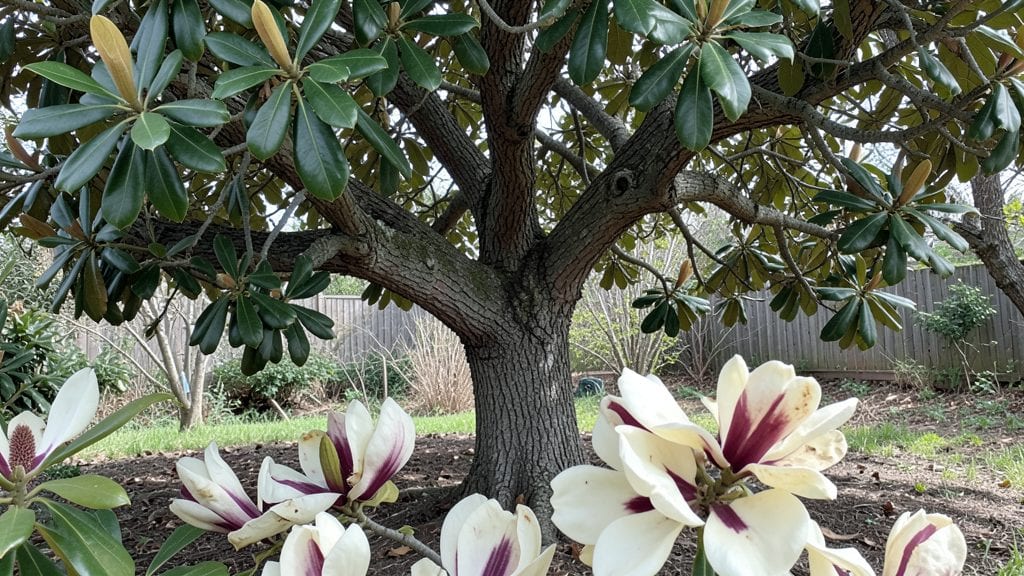
Pruning your black magnolia tree transforms it from a wild specimen into a showstopping centerpiece that blooms reliably year after year. 🌿 I learned the hard way that waiting until spring means missing the best time to shape its dramatic dark foliage and encourage those glossy, creamy-white flowers.
The key is a three-season approach—light shaping in late winter, bloom cleanup in spring, and summer maintenance to keep it lush.
This evergreen stunner thrives in partial shade to full sun, with soil that drains well but stays moist—think rich, slightly acidic loam mixed with compost. My tree now stands 15 feet tall with a perfect rounded shape, all thanks to strategic cuts made at the right time.
The secret? Never prune when it’s flowering (late spring), as that stresses the tree and can reduce next year’s blooms.
By following this schedule, you’ll end up with a tree that’s denser, healthier, and covered in blooms from early summer through fall. The dark leaves create stunning contrast with lighter plants, and the glossy foliage stays vibrant even in winter.
Plus, you’ll avoid the common mistake of over-pruning, which weakens these slow-growing beauties.
Works for both young trees and mature specimens—just adjust the timing and intensity. Here’s how to get started without sacrificing those stunning flowers or the tree’s natural elegance.
📚 In This Guide
- What you need
- Instructions
- Tips and common mistakes
- Wrapping up and next steps
What you need
- ● Pruning shears or bypass pruners: Sharp, clean tools (size #2 or #3 for small branches; #4 for thicker limbs). Disinfect with rubbing alcohol before and after use.
- ● Loppers: For branches ½" to 2" in diameter (bypass or anvil type, but bypass is gentler on wood).
- ● Pruning saw: For branches >2" in diameter (bow saw or folding pruning saw with a fine-tooth blade to avoid tearing).
- ● Gloves: Heavy-duty, cut-resistant gloves (e.g., Mechanix or pruning-specific gloves) to protect from thorns.
- ● Ladder or extension pole: Sturdy, non-slip (e.g., aluminum or fiberglass) for reaching high branches. Safety tip: Never stand on the ladder while pruning—use a three-point contact rule!
- ● Disposable pruning bags or trash bags: For collecting debris (10–20 gallon size, depending on tree size).
- ○ Rag or paper towels: For wiping tools and sealing wounds (optional but helpful for large cuts).
- ○ Pruning sealant (optional but recommended for cuts >½"): Use a tree-specific sealant (e.g., Tanglefoot Tree Wound Pruning Seal).
- ● Handheld leaf blower: For quick cleanup of fine debris.
- ● Work gloves with grip: For extra comfort during extended pruning.
- ● Safety glasses: Protects eyes from flying wood chips or sap.
- ● Marking spray or chalk: To outline areas for removal (great for complex shaping).
- ● First-aid kit: Just in case—black magnolia thorns are serious!
- ● Know your tree’s age: Mature black magnolias (10+ years) may need structural pruning to support weight.
- ● Check the season: Prune after blooming (late spring to early summer) for optimal regrowth. Avoid heavy pruning in winter.
- ● Weather conditions: Choose a dry, overcast day to minimize stress on the tree.
- ● Safety first: Ensure the area below is clear of pets, kids, or bystanders.
Step-by-Step instructions for pruning black magnolia trees
Here’s the method I’ve used to keep my black magnolias blooming beautifully while shaping them year-round.
✂️ Step 1: Prune Immediately After Blooming Season
Wait until 2-3 weeks after flowering—this gives the tree time to set next year’s buds. I always prune in late spring or early summer when the flowers have faded but before new growth hardens. Use clean, sharp pruners to make cuts just above a leaf node or outward-facing bud to encourage healthy regrowth.
Remove any dead, diseased, or crossing branches first—they compete with the tree’s energy. Cut back to a strong lateral branch or the main trunk. Avoid heavy pruning now; black magnolias bloom on old wood, so aggressive cuts reduce next year’s flowers.
🌿 Step 2: Light Structural Pruning in Late Summer
In August or early September, focus on shaping the tree’s structure. Thin out crowded branches to improve airflow and reduce disease risk. I aim for an open vase shape, removing branches that grow inward or rub against others. Cut back no more than 25% of the canopy in one session to avoid stress.
Look for branches that are thinner than a pencil—these can be removed entirely. Larger branches should be cut back to a strong lateral branch. This step keeps the tree’s natural form while preventing future overcrowding.
⏰ Step 3: Minimal Winter Pruning for Safety
If needed, do light pruning in late winter (February) to remove any storm-damaged or broken branches. Black magnolias are dormant, so this is the only time I make structural cuts. Focus on removing branches that are dead, diseased, or crossing—these are the only safe cuts during dormancy.
I avoid heavy pruning in winter because it stimulates new growth that can’t harden off before spring. Instead, I wait until late spring to encourage strong, healthy blooms. If you must prune, keep cuts to 10% of the canopy or less.
☀️ Step 4: Post-Pruning Care for Recovery
After pruning, water deeply to help the tree recover. I apply a 2-3 inch layer of mulch around the base (but not touching the trunk) to retain moisture and regulate soil temperature. Avoid fertilizing immediately—let the tree focus on healing before encouraging new growth.
Watch for new shoots emerging from old cuts. If they’re weak or growing in the wrong direction, prune them back in early summer. This ensures the tree directs energy toward strong, healthy branches rather than unwanted growth.
Tips & tricks for perfect black magnolia tree pruning
Keeping your black magnolia tree healthy and blooming beautifully takes more than just knowing when to prune—it's about the details that make all the difference.
Timing is Everything: The 2-3 week window after flowering in Step 1 is crucial because it allows the tree to set next year's flower buds. I've learned the hard way that pruning too early can remove next year's blooms entirely. Mark your calendar for late spring or early summer when flowers have faded but before new growth hardens—this timing gives you the perfect balance between bloom preservation and growth management.
Branch Selection Matters: In Step 2, when shaping the tree, pay close attention to branch thickness. Any branches thinner than a pencil can be removed entirely, but for larger branches, cut back to a strong lateral branch. I always look for branches that grow inward or cross others—they're the ones causing future problems. Remember, you can remove up to 25% of the canopy in one session, but don't exceed that limit to avoid stressing the tree.
Winter Pruning Strategy: The minimal winter pruning in Step 3 is often overlooked, but it's essential for safety. Focus only on removing dead, diseased, or crossing branches during late winter—this is the only time you can make structural cuts without risking new growth that won't harden off before spring. I've seen too many trees damaged by winter storms where owners didn't address broken branches until it was too late.
Post-Pruning Recovery: After pruning, the care you provide in Step 4 makes all the difference. That 2-3 inch layer of mulch isn't just decorative—it regulates soil temperature and retains moisture, which helps the tree recover. I've noticed that trees with proper mulching bounce back faster and produce more robust blooms the following year. Just remember to keep the mulch away from the trunk to prevent rot.
Pro Tips for Black Magnolia Tree
- Keeping your black magnolia tree healthy and blooming beautifully takes more than just knowing when to prune—it's about the details that make all the difference.
- Timing is Everything: The 2-3 week window after flowering in Step 1 is crucial because it allows the tree to set next year's flower buds.
- Branch Selection Matters: In Step 2, when shaping the tree, pay close attention to branch thickness.
Frequently asked questions
Got questions about keeping your black magnolia tree (Magnolia grandiflora) thriving while pruning for shape and blooms? Here are answers to the most common ones—so you can prune with confidence!
When is the best time to prune a black magnolia tree?
The ideal time is late winter to early spring (just before new growth starts), but you can also prune after blooming (late spring to early summer) to shape without sacrificing flowers. Avoid heavy pruning in fall—it can stimulate tender growth vulnerable to cold damage. Pro tip: Light trimming after blooms helps maintain airflow and reduces disease risk!
Can I prune black magnolia branches in summer?
Yes, but minimize heavy pruning during summer. Light shaping (removing dead or crossing branches) is fine, but avoid cutting back more than 25% of the canopy—it can stress the tree and reduce next year’s blooms. If you must prune heavily, do it right after flowering to balance aesthetics and health. Pro tip: Water deeply after summer trims to help recovery!
Will pruning my black magnolia tree reduce its flowers?
Not if done correctly! Pruning after blooming (late spring/early summer) ensures you’re only trimming old wood, which won’t affect next year’s flowers. However, avoid cutting back into old wood in winter—this removes next season’s flower buds. Focus on dead, diseased, or crowded branches first. Pro tip: Use sharp tools to make clean cuts at a 45° angle to prevent damage!
How much can I prune a mature black magnolia tree?
For mature trees, never remove more than 25% of the canopy in one year. Black magnolias are slow-growing, and aggressive pruning can weaken the tree or stunt future blooms. If you need to reduce size, space pruning over 2–3 years. Prioritize structural shaping and removing water sprouts or suckers to maintain health. Pro tip: Use a pole saw for high branches—safety first!
What should I do if my black magnolia tree has brown or dead branches after pruning?
Don’t panic! Brown branches can result from over-pruning or disease. First, check for magnolia scale or fungal infections (common after stress). If branches are completely dry, prune them out cleanly. If only partially brown, wait to see if new growth emerges in spring. Pro tip: Apply a copper fungicide if you suspect disease, and keep the area around the tree free of debris!
Wrapping up and next steps
The black magnolia tree is a stunning addition to any landscape, and with the right pruning techniques, you can keep it thriving year-round! Whether you're shaping its branches, encouraging vibrant blooms, or maintaining its health, consistent care pays off. 🌿✨
Now that you're equipped with the knowledge, roll up your sleeves and get pruning—your black magnolia will thank you with lush foliage and breathtaking flowers for years to come! For even more inspiration, check out local gardening forums or consult a certified arborist to tailor your approach.