Pruning
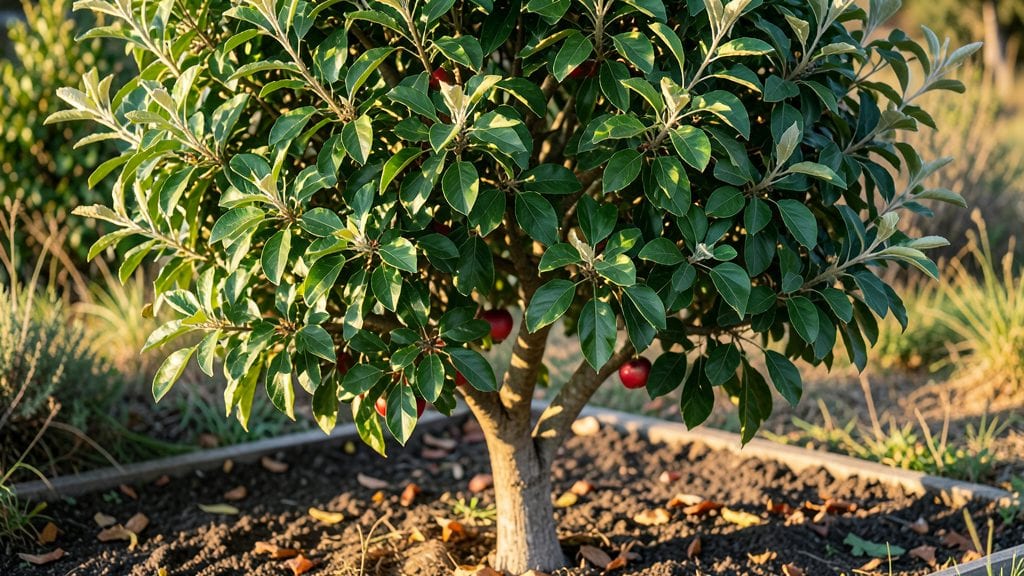
Summer pruning your crabapple tree isn't just about shaping branches—it’s about setting up next year’s blooms and keeping pests at bay. 🌿 I learned the hard way that skipping summer cuts leads to tangled growth and fewer flowers by spring, but the right approach makes all the difference.
The key is timing: prune after fruit drop but before new growth spikes, and you’ll encourage stronger branches and better air circulation.
You only need a few basic tools: sharp pruning shears, gloves, and a bucket for clippings. Focus on removing water sprouts—those vertical shoots that steal energy—and any crossing branches that rub together. Thin out crowded areas to let sunlight reach the center, which helps prevent diseases like apple scab.
It takes about 20-30 minutes for a medium-sized tree, and the results show up in the next growing season.
What you’ll gain is a tree that looks neat and balanced while producing more fruit and flowers. The strategic cuts reduce stress on the tree during hot months, so it stays resilient against heat and drought.
Plus, fewer hiding spots for pests mean less codling moth damage come harvest time. This is the secret to keeping your crabapple thriving through summer and beyond.
Works for both young trees and mature specimens, though older trees may need lighter pruning. If you’re in a hot climate, water deeply after pruning to help the tree recover. Here’s how to do it right without overcomplicating things—your tree will thank you next spring.
📚 In This Guide
- What you need
- Instructions
- Tips and common mistakes
- Wrapping up and next steps
What you need
- ● Pruning shears (bypass or anvil type) – Choose sharp, clean shears (7–10 inches) for clean cuts on small branches.
- ● Loppers (24–32 inches) – For thicker branches (½–2 inches in diameter). Opt for bypass-style for precision.
- ● Pruning saw (8–12 inches) – Essential for branches thicker than 2 inches. A bow saw or curved blade works best.
- ● Gloves (heavy-duty, cut-resistant) – Protect your hands from thorns, sap, and rough bark.
- ● Ladder or step stool – A stable, extendable ladder (16+ feet) if your tree is tall (check weight limits!).
- ● Disinfectant (70% isopropyl alcohol or bleach solution) – Clean tools between cuts to prevent disease spread.
- ○ Pruning sealant (optional but helpful) – A latex-based sealant to coat large cuts (over ½ inch) and reduce sap loss.
- ● Heavy-duty trash bags or bucket – For collecting pruned branches and debris.
- ● Safety gear – Safety glasses and long sleeves/pants to shield from flying debris and sap.
- ● Pole pruner (for high branches) – Extends reach up to 20+ feet.
- ● Tree wound dressing (controversial but some swear by it) – Use sparingly if at all; research suggests clean cuts heal best without it.
- ● Marking spray or ribbon – Helps identify branches to remove before cutting.
- ● First-aid kit – Just in case of minor scrapes or sap burns.
Step-by-step guide to summer pruning for crabapple trees
Here's how to keep your crabapple tree thriving during the warm months.
🌿 Step 1: Identify and Remove Dead or Diseased Branches
Start by examining the tree for any branches that are completely dead or showing signs of disease. Dead branches will be dry, brittle, and often grayish-brown, while diseased branches may have unusual spots, oozing sap, or fungal growth. Grab your pruning shears and cut these branches back to a healthy bud or branch junction.
I always make my cuts just outside the branch collar—the swollen area where the branch meets the trunk. This ensures the tree can heal properly. If a branch is larger than 2 inches in diameter, use your pruning saw instead. Work from the bottom up to avoid spreading any potential disease spores to healthy branches.
✂️ Step 2: Thin Out Overcrowded or Rubbing Branches
Next, focus on thinning out the canopy to improve airflow and sunlight penetration. Look for branches that are crossing or rubbing against each other, as these often create wounds that invite pests and disease. Also, remove any branches growing inward toward the center of the tree.
When thinning, make your cuts at the branch collar and avoid leaving stubs. Aim to remove about 20-25% of the tree's foliage in total during summer pruning. This keeps the tree healthy without overstressing it. I like to step back every few cuts to visualize the tree's shape and ensure I'm not removing too much at once.
☀️ Step 3: Prune for Better Light Exposure and Shape
Now it's time to shape the tree and encourage better light exposure. Focus on removing any branches that are growing straight upward or downward, as these often create weak attachments. Instead, aim to create a balanced, open canopy that allows sunlight to reach the lower branches.
Use your pruning shears to trim back any branches that are too long or overly vigorous. Make your cuts just above an outward-facing bud to encourage new growth in the right direction. For larger branches, make a clean, angled cut about 1/4 inch above the branch collar. This helps water run off and prevents rot.
💧 Step 4: Clean Up and Monitor the Tree
After pruning, gather all the clippings and dispose of them properly. If you notice any signs of disease, like fungal growth or oozing sap, bag the clippings and dispose of them in the trash—not the compost. This prevents the spread of disease to other parts of your garden.
Finally, keep an eye on your tree in the weeks following pruning. Water deeply if the weather is particularly dry, and watch for any signs of stress, such as wilting leaves or unusual discoloration. Summer pruning is all about maintaining health, so don't be afraid to make adjustments as needed.
Tips & tricks for perfect crabapple tree summer pruning
Summer pruning can transform your crabapple tree's health—here's how to avoid common mistakes and get the best results.
Branch Collar Precision: When making cuts in Step 1, focus on the branch collar—the swollen area where the branch meets the trunk. Cutting just outside this collar ensures the tree seals off the wound properly, preventing disease entry. I've seen too many trees develop rot because cuts were made too close to the trunk or left stubs. This is especially important for branches over 2 inches in diameter—use your pruning saw and make clean cuts at the collar.
Visualize the Canopy: In Step 2, when thinning out branches, step back every few cuts to visualize the tree's shape. This helps you maintain that 20-25% foliage removal target while creating an open, airy canopy. I like to imagine sunlight streaming through the branches—this is your goal. Look for branches that are growing inward or crossing others; these are the first candidates for removal to improve airflow and reduce disease risk.
Bud Direction Matters: During Step 3, when shaping the tree, always cut just above an outward-facing bud. This encourages new growth in the direction you want—toward the outside of the tree. If you cut above an inward-facing bud, you'll end up with more branches growing toward the center, which creates a dense, shaded interior. For larger branches, make that clean angled cut about 1/4 inch above the collar to help water run off properly and prevent rot.
Disease Prevention: After pruning, if you notice any signs of disease like fungal growth or oozing sap, don't compost those clippings. Bag them and dispose of them in the trash to prevent spreading disease spores to other parts of your garden. I've learned this the hard way—once, I composted infected branches and ended up with a fungal outbreak on my roses the following spring. Clean up thoroughly and consider disinfecting your tools with rubbing alcohol between cuts on different trees.
Pro Tips for Crabapple Tree Summer
- Summer pruning can transform your crabapple tree's health—here's how to avoid common mistakes and get the best results.
- Branch Collar Precision: When making cuts in Step 1, focus on the branch collar—the swollen area where the branch meets the trunk.
- Visualize the Canopy: In Step 2, when thinning out branches, step back every few cuts to visualize the tree's shape.
Frequently asked questions
Got questions about keeping your crabapple tree thriving during summer pruning? We’ve got answers!
Here are some of the most common queries from gardeners—plus practical tips to make your pruning game foolproof.
Is it safe to prune a crabapple tree in summer?
Yes, but with caution! Summer pruning (June–August) is ideal for removing suckers or shaping, but avoid heavy cuts—it can stress the tree and invite pests. Focus on light trimming to promote airflow and reduce disease risk. For major structural work, spring or late fall is best.
Why are my crabapple tree leaves turning yellow after pruning?
Yellowing leaves post-pruning often signal stress from over-trimming or fungal infections (like apple scab). Prune in dry, mild weather and sterilize tools with rubbing alcohol. If yellowing persists, check for pests (aphids, mites) or nutrient deficiencies—fertilize lightly in early summer if needed.
How long does it take for a crabapple tree to recover from summer pruning?
Recovery time varies! Light pruning (removing 10–20% of growth) shows results in 4–6 weeks. Heavy cuts may take 1–2 years for full healing. Monitor for new growth and avoid pruning again until next season unless addressing suckers or diseased branches.
Can I use summer-pruned branches for crafts or mulch?
Small branches (under 1 inch thick) make great mulch or compost. For crafts (like wreaths), let branches dry for 2–3 weeks in a shaded area to prevent cracking. Larger branches? Chop into wood chips for garden paths or mulch—just avoid diseased wood.
What should I avoid when pruning a crabapple tree in summer?
- Topping the tree—this creates weak, stubby growth and invites pests.
- Pruning during peak heat (10 AM–4 PM)—opt for early morning or evening to reduce stress.
- Ignoring diseased branches—remove and dispose of infected wood immediately to prevent spread.
- Using dull tools—sharp pruners make cleaner cuts and heal faster.
Wrapping up and next steps
Your crabapple tree’s summer glow isn’t just about beauty—it’s a testament to the care you’ve poured into its branches! By mastering strategic pruning year-round, you’ve given your tree the tools to thrive, resist disease, and dazzle with seasonal blooms.
Now that you’re armed with the right techniques and timing, there’s no limit to what your tree can achieve.
Ready to take the next step? Schedule a quick health check—inspect those branches one last time, and don’t hesitate to trim any lingering issues before fall sets in. Your tree (and your neighbors!) will thank you. 🌳✨