Shrubs
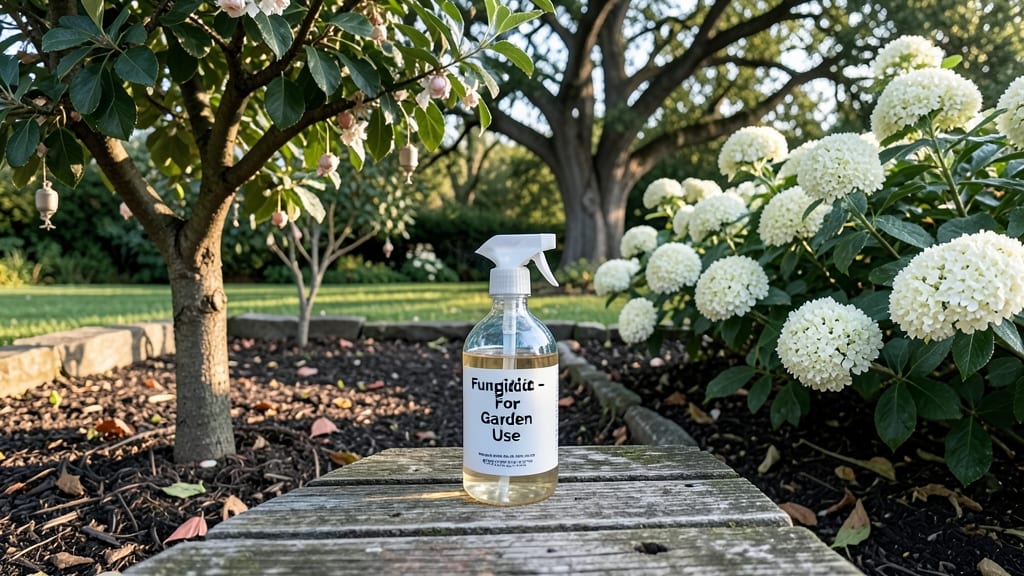
The best fungicide for trees and shrubs depends on the disease: copper-based sprays like Copper Sulfate work for fungal leaf spots, Myclobutanil targets powdery mildew, and Propiconazole fights anthracnose. Always apply during dry conditions and follow label instructions for safety and effectiveness.
Selecting the right fungicide starts with identifying the specific fungal threat your plants face. Copper fungicides, for example, create an unfriendly environment for fungal spores by disrupting their cell membranes, making them ideal for leaf spot diseases common in roses and ornamentals.
Meanwhile, systemic fungicides like Myclobutanil penetrate plant tissues to stop powdery mildew before it spreads, often providing 3-4 weeks of protection per application.
What many gardeners overlook is that some fungicides—like Propiconazole—are more effective when applied as a preventive measure during spring bud break, rather than after symptoms appear. 🌱
Timing and application method also play critical roles in success. For instance, Chlorothalonil (a broad-spectrum fungicide) works best when sprayed directly on wet foliage, while potassium bicarbonate solutions are safer for organic gardens but require more frequent reapplication.
Always check the label for pre-harvest intervals if treating edible plants—some fungicides require waiting 14-30 days before consuming produce. The key is matching the fungicide's mode of action to your plant's specific needs while minimizing environmental impact.
💡 In This Article
- How Fungicides Work Against Common Tree & Shrub Diseases
- Choosing the Right Fungicide by Plant Disease & Season
How fungicides work against common tree & shrub diseases
Fungicides combat plant diseases through two primary mechanisms: contact action and systemic absorption. Contact fungicides like Copper Sulfate form a protective barrier on plant surfaces, disrupting fungal spores through oxidative stress.
When copper ions interact with fungal cell walls, they generate reactive oxygen species that destroy membrane integrity, essentially "poisoning" the pathogen at the point of contact. This is why these fungicides work best for surface-level diseases like black spot on roses or apple scab.
The science gets more interesting with systemic fungicides like Myclobutanil (a triazole) or Propiconazole. These compounds are absorbed through leaves and stems, traveling within the plant's vascular system to inhibit fungal growth at the cellular level.
They work by blocking a crucial enzyme called demethylation in fungal cell membranes, preventing the synthesis of ergosterol—a sterol essential for fungal survival. Without ergosterol, fungal cells become leaky and die. This systemic action provides 3-4 weeks of protection per application, making them ideal for powdery mildew or anthracnose.
Timing is everything when it comes to effectiveness. Preventive applications—like spraying Propiconazole during spring bud break—create a protective shield before fungal spores can establish. Curative treatments, however, often fail because fungal cells have already penetrated plant tissues.
For example, Cedar Apple Rust requires early intervention in spring when galls form on junipers, before spores infect apple trees. The key factor is understanding each disease's infection cycle and applying fungicides at the right developmental stage.
Here's what's actually happening at the molecular level: Copper fungicides create an oxidative burst that damages fungal DNA and proteins, while triazoles like Myclobutanil specifically inhibit CYP51 enzymes, halting membrane formation.
This precision is why some fungicides work on specific pathogens while others provide broad-spectrum protection. The choice depends on whether you need immediate surface protection (contact) or long-term internal defense (systemic).
Environmental conditions dramatically affect fungicide performance. Humidity and moisture enhance contact fungicides by keeping protective films active, while dry conditions actually improve systemic uptake. That's why Chlorothalonil applications require 7-14 days of leaf wetness for optimal results against Phytophthora root rot.
The science shows that fungicides work best when applied under specific weather patterns—usually early morning when humidity is high but before midday heat that can cause rapid evaporation.
What most gardeners don't realize is that fungal resistance develops when the same fungicide is used repeatedly without rotation. For instance, powdery mildew populations can become resistant to Myclobutanil after just 3-5 years of exclusive use.
This is why integrated pest management (IPM) programs recommend rotating between contact and systemic fungicides with different modes of action—like alternating copper with potassium bicarbonate or SDHI fungicides.
The visual difference between treated and untreated plants is striking. Untreated foliage shows yellowing lesions or white powdery coatings within weeks, while properly treated plants maintain vibrant green leaves with no visible damage.
This dramatic contrast demonstrates why understanding fungicide mechanisms isn't just technical knowledge—it's the difference between a thriving garden and one struggling with disease. 🌿