
Pests and Diseases
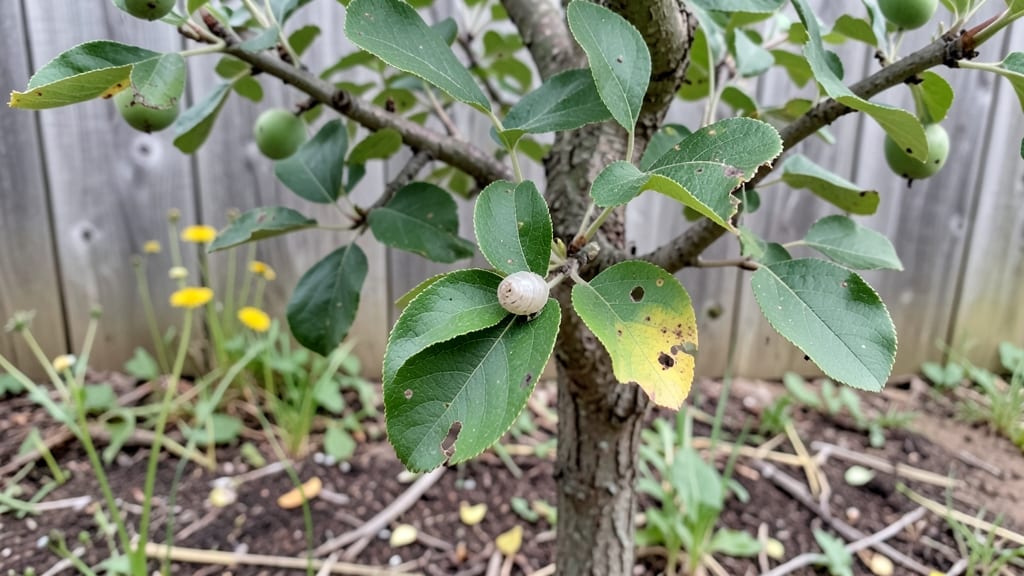
Apple tree pest control starts with knowing your enemy—those tiny invaders that turn lush foliage into skeleton leaves and fruit into wormy mush. 🌿 I’ve battled aphids, codling moths, and apple maggots in my own orchard, and the key isn’t just sprays but smart timing and barriers that pests can’t crack.
The worst damage happens when you ignore early signs: curled leaves, sawdust-like frass, or tiny holes in fruit. Most gardeners wait too long, but catching pests early means you can use organic neem oil or kaolin clay barriers instead of heavy-duty chemicals.
I’ve saved entire harvests with a 5-minute spray in the right season.
What you’ll learn here is how to outsmart pests—not fight them. Prune out infested branches, wrap trees in fine mesh netting, and time sprays for when eggs hatch. By summer’s end, you’ll have fruit so clean, your neighbors will ask for your secret.
Works for backyard trees, community orchards, and even container-grown apples. Let’s get those pests off your tree for good—without sacrificing flavor or the environment.
Root Causes of Apple Tree Pests
Apple trees are a gardener’s pride—but they’re also a buffet for pests, from hungry insects to fungal invaders. Understanding why these problems arise is the first step to stopping them before they spread.
Below, we break down the science behind the chaos, so you can protect your orchard like a pro.
Pests don’t just strike healthy trees—they target the weakest links. When apple trees are stressed, their natural defenses (like resin production or tough bark) fail, making them easy prey. Here’s what weakens them:
- Nutrient Deficiencies: Lack of nitrogen, phosphorus, or micronutrients (like zinc or boron) stunts growth and thins bark, inviting borers and beetles. Example: Yellowing leaves? Your tree might be zinc-deficient, leaving it vulnerable to codling moth larvae.
- Water Stress: Overwatering or drought creates ideal conditions for pests. Root rot from soggy soil attracts fungus gnats, while drought-stressed trees become magnets for apple maggot flies seeking juicy fruit.
- Physical Damage: Pruning cuts, hail, or animal scratches create entry points for apple sawfly larvae or apple scab fungus. Even "minor" wounds can turn into pest highways.
💡 Pro Tip: Conduct a soil test every 2–3 years to catch deficiencies early. Mulch with wood chips to retain moisture without suffocating roots.
Nature’s rule: More trees = more pests. When apple trees grow too close together, they create a microclimate that pests love. Here’s why:
- Reduced Airflow: Dense foliage traps humidity, perfect for apple scab (a fungal disease) and woolly aphids. Poor airflow also slows down beneficial predators like ladybugs.
- Shared Pests: Insects like apple leafcurling midge spread faster in crowded trees because they hop from branch to branch. One infested tree can contaminate its neighbors in weeks.
- Competition for Resources: Trees fighting for sunlight, water, and nutrients produce weaker fruit—softer, sweeter targets for pests like codling moths.
📊 Data Point: Studies show that spacing apple trees 20–25 feet apart reduces pest outbreaks by up to 40% by improving sunlight and airflow.
Pests and diseases hibernate in your garden—literally. Leaving behind last year’s debris is like rolling out the welcome mat. Here’s how old plant material fuels new infestations:
- Mummified Fruit: Overripe or dropped apples rot on the ground, harboring codling moth pupae and apple maggot eggs. A single mummy apple can release hundreds of larvae next season.
- Infested Prunings: Cut branches left in piles can still host borer larvae or scale insects. Even compost piles (if too hot) may not kill pest eggs.
- Weeds as Pest Hotels: Dandelions, clover, and wild grasses harbor aphids and spider mites, which then migrate to your apple trees. Example: A single woolly apple aphid can produce 100+ nymphs in a season.
✨ Action Step: Rake up all fallen fruit, leaves, and prunings before winter. Burn or bag them (don’t compost)—pests can survive in debris for years.
Pests don’t follow calendars—they follow weather patterns. Warmer winters and erratic rains create the perfect storm for outbreaks. Here’s how climate plays a role:
| Weather Factor | Pest It Favors | Why It Happens |
|---|---|---|
| Mild Winters | Codling moth, San Jose scale | Cold kills overwintering pests—warmer temps let them survive and multiply faster. |
| Heavy Spring Rains | Apple scab, Powdery mildew | Fungal spores splash onto leaves, while soggy soil attracts root-feeding weevils. |
| Drought Stress | Apple maggot fly, Spider mites | Drought weakens trees, making their sap more attractive to sucking insects. |
| Early Blooms | Apple blossom weevil, Hornets | Pests emerge before trees can defend themselves with resin or tougher leaves. |
🌡️ Climate Hack: Monitor your local growing degree days (GDD)—a tool used to predict pest emergence. Most apple pests activate at 500–1,000 GDD.
Now that you know why pests strike, the next step is smart prevention—like organic sprays and barriers that actually work. Stay tuned!
Fix Apple Tree Pests Naturally
Pests can turn your apple tree into a battleground, but the good news? You don’t need harsh chemicals to win. With the right organic solutions, you can protect your tree while keeping your orchard—and the planet—healthy.
Below, we break down practical fixes for common apple tree pests, from early signs to long-term prevention.
Cause: Tiny pink larvae burrow into apples, making them inedible. Fix:
- 🍎 Pheromone Traps: Hang codling moth traps (with synthetic pheromones) in early spring to disrupt mating.
- 🌿 Kaolin Clay Spray: Apply a white, chalky clay spray (like Surround WP) to create a barrier that larvae can’t penetrate. Reapply after rain.
- 🕯️ Light Traps: Use UV or blacklight traps at night to attract and kill adult moths.
💡 Prevention Tip: Prune trees in late winter to remove overwintering sites, and harvest promptly—don’t leave fallen fruit on the ground.
Cause: Yellowish maggots tunnel into fruit, causing rot. Fix:
- 🥬 Yellow Sticky Traps: Place yellow sticky cards near the tree to catch adult flies before they lay eggs.
- 🌿 Neem Oil Spray: Apply neem oil (1-2% solution) every 7-10 days starting in June to deter egg-laying.
- 🧹 Sanitation: Pick up and destroy dropped apples immediately—they’re maggot magnets!
🔥 Pro Tip: Row covers (fine mesh) over young trees can block flies entirely.
Cause: Tiny insects cluster on leaves/stems, weakening the tree and spreading disease. Fix:
- 💦 Strong Water Blast: Knock them off with a hose (1,000 psi) on a sunny day (aphids hate direct sunlight).
- 🐞 Ladybugs & Lacewings: Introduce beneficial insects (buy from garden centers) to eat aphids naturally.
- 🌿 Soap Spray: Mix 1 tbsp mild liquid soap + 1 quart water, spray directly on pests (avoid flowers).
🌡️ Prevention Tip: Encourage natural predators by planting dill, fennel, or yarrow nearby—they attract ladybugs!
🔧 Physical Barriers:
- 🌿 Tree Wraps: Use aluminum foil or cardboard collars around the trunk to block borers and rodents.
- 🕸️ Netting: Cover trees with fine mesh netting (like Tanglefoot bags) to keep birds and insects out.
✨ Organic Sprays to Rotate:
| Pest | Spray Solution | Best Time to Apply |
|---|---|---|
| Apple Scab | Baking soda spray (1 tbsp + 1 tsp oil + gallon water) | Spring (before buds open) |
| Powdery Mildew | Milk spray (1:9 milk:water) | Late afternoon (avoid sun) |
| Japanese Beetles | Beauveria bassiana (fungal spray) | June-July (peak feeding) |
🎯 Prevention Tip: Mulch with wood chips (not straw) to suppress weeds (which attract pests) and retain moisture.
If you spot large infestations (e.g., hundreds of aphids, extensive borer holes, or fungal outbreaks), consult a certified arborist or organic pest control expert. Some pests (like gypsy moths) require professional intervention for severe cases.
🍏 Remember: The key to long-term pest control is consistency. Combine prevention, monitoring, and organic treatments for a healthy, thriving apple tree—without the chemicals!
Frequently asked questions about apple tree pest management
What’s the first sign of codling moth infestation in apples?
Look for tiny, pinkish larvae inside apples or frass (sawdust-like droppings) near entry holes. Check fruit in July-August—that’s when larvae are most active. Remove infested apples immediately to stop the cycle.
Can I use neem oil on apple blossoms?
No—neem oil can harm bees and pollinators when applied during bloom. Wait until after flowering (typically 2-3 weeks post-bloom) to spray for pests like aphids or mites. Always apply in the evening to protect beneficial insects.
How often should I apply kaolin clay spray for pest control?
Reapply every 7-14 days or after heavy rain to maintain coverage. Start spraying in early spring (before pests emerge) and continue through harvest. The white film confuses pests and deters egg-laying on leaves and fruit.
Are there any natural predators that help control apple pests?
Introduce ladybugs, lacewings, and parasitic wasps to your orchard. These beneficial insects eat aphids, mites, and caterpillars naturally. Plant dill, fennel, or yarrow nearby to attract them—it’s like a pest-control buffet!
What’s the best time of year to prune apple trees to prevent pests?
Prune in late winter (before buds swell) to remove diseased branches or pest hiding spots. Avoid pruning during active growth (spring-summer), as fresh cuts attract borers. Sterilize tools with rubbing alcohol between cuts to prevent spreading disease.