Diseases
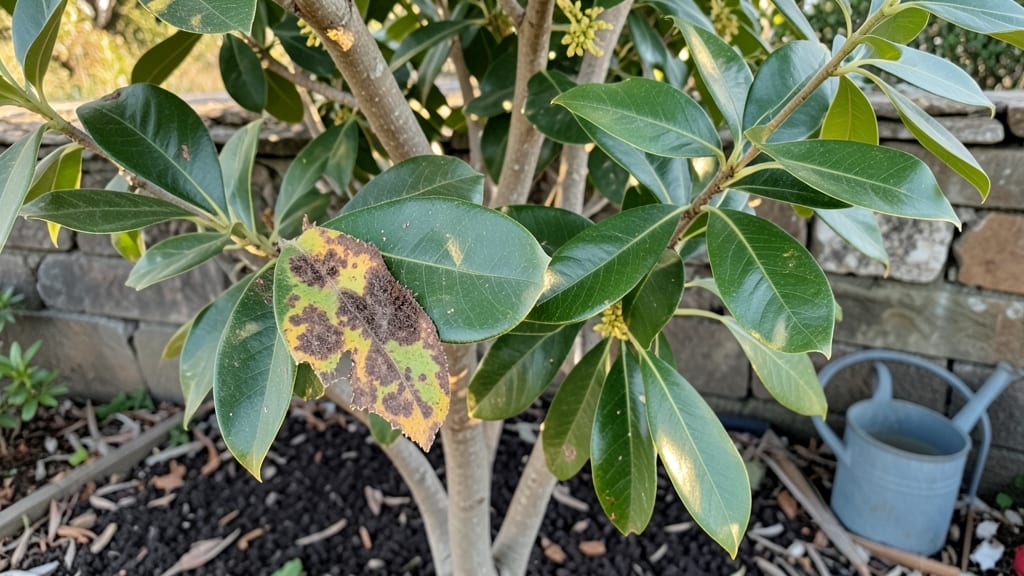
Bay laurel tree diseases can turn your fragrant evergreen into a sad, yellowing mess if you ignore the warning signs. 🌿 I’ve seen healthy, glossy bay laurels go from thriving to struggling in just a few weeks—usually because the symptoms were dismissed as "just stress."
The good news? Most issues respond well to early action, and organic fixes work better than you’d think.
Overwatering, poor drainage, and fungal spores are the usual culprits behind leaf spots, wilting, or that dreaded brown edge burn. I’ve treated everything from powdery mildew to root rot using simple adjustments: better soil, less water, and a few targeted sprays.
The key is catching problems before they spread—think of it like a checkup for your tree, not a last-minute emergency.
By the end of this guide, you’ll spot the early signs of trouble and know exactly how to respond—whether it’s pruning back damaged branches, applying a homemade fungicide, or adjusting your watering schedule.
Your bay laurel will bounce back faster than you expect, and you’ll avoid the heartbreak of losing it entirely.
We’ll also cover when to call in a professional (hint: it’s usually only for advanced cases) and how to prevent future outbreaks. Prevention is easier than cleanup, and a few small changes now can save you a lot of work later.
Root Causes of Bay Laurel Troubles
Bay laurel trees (Laurus nobilis) are prized for their glossy leaves and aromatic properties, but like all plants, they’re vulnerable to diseases when environmental or biological stressors take hold. Understanding why these issues arise is the first step to prevention and organic treatment.
Below, we break down the key culprits—from fungal invaders to environmental mismatches—that turn your bay laurel’s lush foliage into a battleground. 🌿🔍
Fungi thrive in damp, stagnant conditions, and bay laurels are no exception. These microscopic organisms latch onto weak spots—often caused by poor air circulation, overwatering, or wounds from pruning—to trigger diseases like anthracnose, leaf spot, or root rot. Here’s how it happens:
- Overwatering or Poor Drainage: Fungi love moisture. When bay laurels sit in soggy soil (especially in containers or compacted garden beds), their roots suffocate, creating the perfect breeding ground for Phytophthora or Fusarium species. Pro tip: 🌡️ Ensure pots have drainage holes and amend garden soil with perlite or sand to improve aeration.
- High Humidity + Stagnant Air: Fungal spores float in humid air and land on leaves, where they germinate if conditions stay damp. Bay laurels in shaded or overcrowded areas (like dense hedges) are especially at risk for leaf spot, which appears as dark, greasy patches with yellow halos. Pro tip: ✨ Prune for airflow and avoid overhead watering to keep foliage dry.
- Wounded Bark or Leaves: Pruning cuts or hail damage create entry points for fungi like Colletotrichum (causing anthracnose). The fungus spreads via spores, leading to wilting, blackened leaves, and dieback. Pro tip: 🔪 Sterilize pruners with rubbing alcohol and seal cuts with organic wound paste.
Unlike fungi, bacteria multiply rapidly and can turn a healthy bay laurel into a crispy mess in weeks. The most common offenders are Xanthomonas and Pseudomonas species, which cause bacterial leaf scorch or canker. Here’s their game plan:
- Splashing Water or Rain: Bacteria hitchhike on water droplets, splashing from infected leaves or soil onto fresh wounds. Once inside, they clog the plant’s vascular system, causing leaf margins to brown and curl (a classic sign of bacterial scorch). Pro tip: 💡 Water at the base (not overhead) and remove infected leaves immediately.
- Contaminated Tools or Hands: Pruners, gloves, or even your fingers can transfer bacteria from one plant to another. If you’ve worked with infected bay laurels, the pathogens may linger on tools, ready to infect the next tree. Pro tip: 🧼 Sterilize tools with 10% bleach solution (1 part bleach to 9 parts water) between uses.
- Stress from Heat or Drought: Weakened trees are bacterial magnets. Heat stress or drought opens stomata (leaf pores), inviting bacteria to invade. Once inside, they trigger rapid cell death, visible as oily, water-soaked lesions that ooze when pressed. Pro tip: 🥵 Mulch with straw to retain moisture and provide shade cloth during heatwaves.
Bay laurels are adaptable, but push their limits—too much sun, too little water, or extreme pH—and they’ll signal distress through disease-like symptoms. These aren’t infections but abiotic disorders that mimic fungal or bacterial issues:
| Symptom | Likely Cause | Fix It |
|---|---|---|
| Yellowing leaves (chlorosis) | Iron deficiency (common in alkaline soil, pH >7.0) or overwatering | 📊 Test soil pH; amend with sulfur or chelated iron. Let soil dry between waterings. |
| Crispy, brown leaf edges | Low humidity + high heat (or fluoride toxicity from tap water) | ✨ Increase humidity with pebble trays or misting. Use rainwater or distilled water. |
| Stunted growth or leaf drop | Compacted soil (restricts root oxygen) or nutrient lockout (too much salt) | 🌱 Loosen soil with a fork or add compost. Flush soil with water to leach salts. |
Pro tip: 🎯 If symptoms don’t match a disease, rule out environmental stress first—it’s often the real culprit!
While not diseases themselves, pests like scale insects, aphids, or spider mites weaken bay laurels by sucking sap, creating wounds that fungi or bacteria exploit. For example:
- Scale Insects: Their honeydew secretions attract sooty mold fungi, which coat leaves in black, fuzzy growth. This blocks sunlight, stunting the tree. Pro tip: 🔥 Blast off scales with a strong water spray or apply neem oil (1 tsp per liter of water).
- Spider Mites: Their feeding causes stippling (tiny white dots) on leaves, reducing photosynthesis. Stressed leaves become prime targets for fungal infections. Pro tip: 🌡️ Increase humidity to deter mites; spray with insecticidal soap.
Quick Fixes for Bay Laurel Tree Troubles
Reviving your bay laurel tree starts with identifying the root cause—but once you know what’s ailing it, action is simple. Below are practical, organic solutions tailored to the most common diseases, along with prevention tips to keep your tree thriving. 🌿✨
Fungal diseases like root rot, powdery mildew, or leaf spot thrive in damp conditions. Here’s how to tackle them:
🔥 Step 1: Remove Infected Parts
- Prune yellowed, spotted, or mushy leaves/stems with sterilized shears (wipe with rubbing alcohol between cuts).
- Dispose of debris in a sealed bag—don’t compost it!
🍳 Step 2: Boost Airflow and Drainage
- Thin out dense foliage to improve airflow.
- Raise the soil level slightly (add compost or sand) if the tree sits in soggy ground.
- Mulch properly: Use 2–3 inches of organic mulch (wood chips, straw) but keep it 6 inches away from the trunk to prevent moisture buildup.
👨🍳 Step 3: Apply Organic Fungicides
- Neem oil spray (1 tsp neem oil + 1 tsp mild soap + 1 quart water): Spray every 7–10 days until symptoms fade.
- Baking soda solution (1 tbsp baking soda + 1 quart water + a few drops of soap): Great for powdery mildew (reapply weekly).
- Copper fungicide (organic-certified): Use as a last resort for stubborn infections.
🌡️ Prevention Tips
- Water at the base (avoid wetting leaves) early in the day so foliage dries quickly.
- Space trees 3–5 feet apart to reduce humidity in the canopy.
- Avoid overhead irrigation—drip systems are best.
Bay laurels often fall prey to aphids, spider mites, or scale insects. Here’s how to evict them:
🔪 Step 1: Blast Off Pests
- Spray with water (forceful stream from a hose) to knock off aphids and mites.
- Use insecticidal soap (1.5 tbsp soap + 1 quart water): Spray directly on pests (reapply every 5–7 days).
- Introduce beneficial insects: Ladybugs and lacewings devour aphids—buy them online or attract them with dill or fennel plants.
⏰ Step 2: Wrap Trunks for Scale
- Scale insects hide under bark—wrap the trunk with tree banding tape (sticky side out) to trap them.
- Scrape off heavy infestations with a plastic scraper (avoid metal to prevent bark damage).
✨ Prevention Tips
- Inspect new plants before bringing them home—quarantine for 2 weeks.
- Encourage natural predators by planting marigolds, basil, or lavender nearby.
- Avoid synthetic pesticides—they kill beneficial insects too!
Yellowing leaves or stunted growth? Your bay laurel might be hungry or malnourished.
📊 Step 1: Test the Soil
- Grab a soil sample (3–4 inches deep) and send it to a local extension office for a pH test (ideal: 6.0–7.5 for bay laurels).
- Quick fix: Sprinkle eggshell powder (crushed) around the base for calcium or kelp meal for trace minerals.
🥗 Step 2: Fertilize Organically
- Balanced organic fertilizer (5-5-5 or 3-4-6 ratio): Apply spring and early fall.
- Compost tea: Brew 1 part compost + 5 parts water, steep for 24 hours, and water the tree with the liquid.
- Epsom salt (1 tbsp per gallon of water): Spray foliage for magnesium (helps with yellowing between veins).
🎯 Prevention Tips
- Don’t over-fertilize—bay laurels prefer lean soil; too much nitrogen causes weak growth.
- Mulch annually with well-aged compost to slowly release nutrients.
- Water deeply but infrequently—shallow watering leads to weak roots.
| Season | Task | Why It Helps |
|---|---|---|
| Spring | Prune dead branches + neem spray | Removes winter damage, prevents fungi |
| Summer | Mulch + drip irrigation | Keeps roots cool, avoids leaf scorch |
| Fall | Fertilize + inspect for pests | Preps for winter, catches early issues |
| Winter | Light pruning + protect from frost | Trims weak growth, prevents cold stress |
Pro Tip: 💡 When in doubt, isolate the tree—some diseases (like Phytophthora root rot) spread fast. Move potted bay laurels to a dry, shaded spot if you suspect soil-borne issues.
With these targeted fixes, your bay laurel will bounce back—healthier and stronger than ever! 🌱💚
Frequently asked questions
What are the first signs my bay laurel tree might be sick?
Watch for yellowing leaves, dark spots with yellow halos, or crispy brown edges—these often signal fungal issues. Wilting, blackened stems, or sticky residue (honeydew) from pests like scale insects are also red flags. Act fast: remove infected parts and improve airflow to prevent spread.
Can I save a bay laurel with root rot?
Early-stage root rot is treatable! Dig up the tree, trim mushy roots with sterilized shears, and repot in fresh, well-draining soil with perlite. Reduce watering and place it in bright, indirect light. Advanced cases may require professional help—don’t delay, as rot spreads quickly.
Why do my bay laurel leaves turn yellow in winter?
Winter yellowing is often normal due to cold stress, but check for overwatering or nutrient deficiencies first. If leaves stay yellow into spring, test soil pH (ideal: 6.0–7.5) and fertilize lightly with compost tea. Avoid heavy mulch near the trunk to prevent moisture buildup.
How often should I spray neem oil on my bay laurel?
Apply neem oil every 7–10 days for fungal/pest issues, but stop after symptoms improve. Mix 1 tsp neem oil + 1 tsp mild soap + 1 quart water. Avoid spraying in direct sunlight or extreme heat—it can burn leaves. Store unused mix in the fridge for up to 2 weeks.
When should I call a professional for my bay laurel?
Consult an arborist if you see oozing cankers, severe dieback, or root rot beyond early stages. Also seek help if organic treatments fail after 4–6 weeks. Professionals can diagnose tricky issues like bacterial infections or soil-borne pathogens that DIY fixes can’t handle.