
Aphids
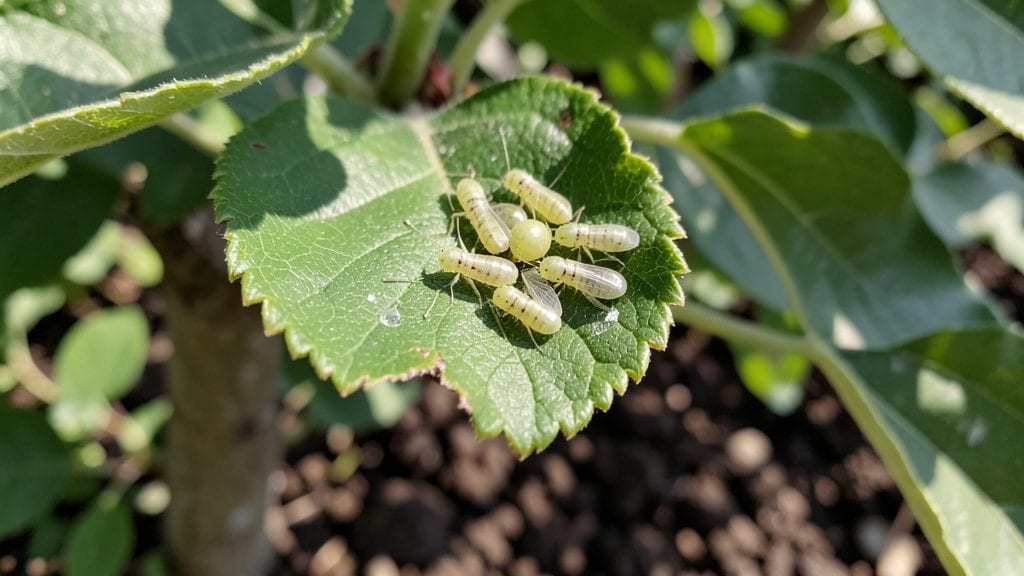
Aphids on apple trees are the tiny green or black pests that turn your tree’s leaves into sticky, curled messes—and I’ve found the organic spray that stops them in their tracks. 🌱 The key isn’t just spraying anything; it’s understanding why they show up (new growth, weak trees) and how to hit them hard without harming bees or your harvest.
My go-to solution combines neem oil, insecticidal soap, and a dash of dish soap in a spray bottle—mixed right before use. You’ll see results within 24 hours if you hit them when they’re clustered on new shoots or undersides of leaves.
The secret? Spray early in the morning when aphids are sluggish and bees aren’t active.
This isn’t just about killing pests—it’s about setting your tree up to bounce back. After treatment, focus on keeping your apple tree healthy: prune crowded branches, water deeply but less often, and invite ladybugs and lacewings to your garden. They’re nature’s cleanup crew, and they’ll handle any stragglers.
If your tree is still struggling after two sprays, check for deeper issues like fungal diseases or nutrient deficiencies. Sometimes, aphids are just the first sign of bigger problems. But in most cases, this spray combo works—fast, organic, and without the harsh chemicals.
Root Causes of Apple Tree Aphids
Aphids don’t just randomly appear on your apple trees—they’re drawn by specific conditions that make your tree a prime buffet. Understanding these triggers is the first step to stopping them before they become a full-blown infestation.
Let’s break down the key factors that turn your apple tree into an aphid magnet.
Aphids thrive where trees are stressed or overcrowded, making it harder for the tree to mount a natural defense. Here’s why:
- Poor Spacing: Apple trees planted too close together create dense foliage, trapping heat and humidity—ideal conditions for aphids to multiply.
💡 Pro Tip: Prune regularly to improve air circulation and sunlight exposure, which weakens aphid populations naturally.
- Nutrient Deficiencies: Trees lacking nitrogen, phosphorus, or potassium are more vulnerable. Aphids detect chemical signals from stressed trees and flock to them like vultures to a buffet.
- Root Stress: Compacted soil, poor drainage, or root damage (from construction, foot traffic, or girdling roots) starve the tree of essential nutrients, making it easier for pests to attack.
Aphids are drawn to the sweetest parts of your tree—literally. They’re attracted to:
- Honeydew: A sticky, sugary waste product from aphids themselves. This attracts ants (which protect aphids) and fungal diseases like sooty mold, creating a vicious cycle.
- Tender New Growth: Young leaves and shoots are aphids’ favorite snack because they’re packed with easily digestible sugars.
✨ Science Note: Aphids have specialized mouthparts called stylets that pierce plant cells to suck out sap—new growth is like a soft, juicy straw.
- Flowering Trees: If your apple tree is blooming, aphids may arrive early to feed on the pollen and nectar, setting up shop before the fruit even forms.
You might not realize it, but ants are aphids’ biggest allies. Here’s how they enable infestations: - Ant-Aphid Symbiosis: Ants farm aphids by herding them to the most nutritious parts of the tree.
In exchange, they “milk” the aphids for honeydew, which they eat or feed to their larvae. - Transportation: Worker ants carry aphid eggs and nymphs to new locations, spreading infestations faster than wind or rain. - Defense: Ants aggressively attack predators (like ladybugs or lacewings) that try to eat aphids, giving the pests a safe haven.
Aphids are highly sensitive to environmental conditions.
These weather factors turn your tree into a pest paradise: - Warm Springs: Mild winters and early springs allow aphid eggs to hatch sooner, giving them a head start on colonizing your tree. - High Humidity: Moisture slows down natural predators (like parasitic wasps) and keeps aphids hydrated, boosting their reproduction rates. - Drought Stress: While aphids love moisture, drought-stressed trees produce more sugars in their sap—making it a richer meal for pests.
Sometimes, the problem isn’t nature—it’s us. These human-related causes can introduce or worsen aphid infestations:
- Poor Sanitation: Leaving fallen leaves, fruit, or debris near the tree provides shelter for overwintering aphids.
🔥 Quick Fix: Rake up organic debris in fall and early spring to starve out hiding aphids.
- Over-Fertilization: Too much nitrogen (especially synthetic fertilizers) promotes rapid, tender growth—aphids’ dream food.
- Nearby Infested Plants: Aphids can jump from one plant to another via wind or insects. If your neighbor’s fruit tree or garden is infested, your apple tree is at risk.
A healthy ecosystem keeps aphid populations in check.
When these predators disappear, aphids take over: - Disrupted Food Web: Overuse of broad-spectrum pesticides kills aphids and their natural enemies (ladybugs, lacewings, hoverflies, and parasitic wasps). - Monoculture Landscaping: Planting only apple trees (or other susceptible plants) removes diversity, reducing the habitat for beneficial insects. - Urbanization: Lawns and pavement reduce ground-dwelling predators (like spiders and beetles) that prey on aphid eggs.
Aphids on your apple tree aren’t just a random bad luck—it’s a sign that something in your tree’s environment or health is off.
By addressing stress factors, attractants, protective pests (like ants), weather conditions, human habits, and predator imbalances, you can break the cycle before it spirals out of control. The good news? Once you know why they’re there, you can target the right organic solutions to kick them off for good.
Quick Fixes for Apple Tree Pests
Aphids on your apple tree can feel like a nightmare, but the good news? You don’t need harsh chemicals to kick them to the curb. Below are practical, organic solutions tailored to the root causes—whether it’s overcrowded branches, weak trees, or a sudden infestation.
Let’s tackle this step by step with fast-acting fixes and long-term prevention.
If your apple tree is stressed or packed with dense foliage, aphids will see it as an all-you-can-eat buffet. Pruning and proper care can disrupt their party before it starts.
Step-by-Step Fix: 🍳 Prune in Late Winter or Early Spring
- Remove thick, overlapping branches to improve airflow (aphids love hiding in tight spots).
- Cut back dead or diseased wood—these attract pests and weaken the tree.
- Thin out suckers (shoots growing from the base) to redirect energy to fruit production.
👨🍳 Boost Tree Health with Organic Fertilizer
- Use a balanced organic fertilizer (like compost or fish emulsion) to strengthen roots and foliage.
- Avoid over-fertilizing with nitrogen—this makes leaves soft and aphid-friendly.
🌱 Mulch Properly
- Spread 2–4 inches of organic mulch (wood chips, straw) around the base to retain moisture and deter aphids.
💡 Pro Tip: If your tree is young or newly planted, prioritize deep watering (1–2 inches per week) to help it fend off pests naturally.
If you’ve spotted clusters of aphids (especially on new leaves or buds), act fast with non-toxic sprays that disrupt their life cycle.
Step-by-Step Fix: 🔪 Spray with Soap Solution (Best for Light Infestations)
- Mix 1 tbsp mild liquid soap (like Castile soap) + 1 quart water in a spray bottle.
- Target undersides of leaves (where aphids hide) and spray early morning or late evening (avoid direct sunlight—it can burn leaves).
- Reapply every 3–5 days until aphids disappear (usually 7–10 days).
⏰ Neem Oil Spray (Kills Eggs & Adults)
- Combine 1 tbsp neem oil + 1 tsp mild soap + 1 quart water.
- Shake well and spray thoroughly, including stems and buds.
- Works in 24–48 hours but may need 2–3 applications for full control.
🌿 Introduce Beneficial Insects (Long-Term Defense)
- Ladybugs, lacewings, and parasitic wasps eat aphids like they’re fast food.
- Buy them online or attract them with native plants (like dill, fennel, or yarrow).
💡 Pro Tip: If aphids are sticky (honeydew), wipe leaves with a damp cloth to prevent sooty mold (a black fungus that weakens the tree).
A healthy tree is less appealing to aphids. Strengthen its natural defenses with these low-effort, high-impact tricks.
Step-by-Step Fix: 🍎 Garlic & Chili Pepper Spray (Aphids Hate It!)
- Blend 3 garlic cloves + 1 tbsp cayenne pepper + 1 quart water. Strain and spray.
- Smell = aphid repellent—reapply every 5–7 days.
🌱 Companion Planting
- Plant garlic, onions, or chives near your apple tree—their scent confuses aphids.
- Marigolds also deter pests naturally.
💪 Encourage Ants to Stay Away
- Aphids love ants (they farm them for honeydew). Disrupt their relationship by:
- Spraying vinegar-water mix (1:1) on ant trails.
- Setting up borax bait stations (far from the tree) to reduce ant populations.
💡 Pro Tip: Avoid broad-spectrum pesticides—they kill beneficial insects that keep aphids in check!
Once you’ve cleared the infestation, lock it down with these ongoing habits:
- Inspect trees weekly (especially new growth) for early signs.
- Remove aphid-infested leaves by hand and dispose of them in sealed bags.
- Avoid overwatering—aphids thrive in damp, crowded conditions.
- Rotate sprays (don’t use the same method repeatedly) to prevent resistance.
Final Thought: Aphids may be pesky, but with pruning, organic sprays, and smart prevention, your apple tree can bounce back stronger than ever—and next year’s harvest will be pest-free and delicious! 🍏🌟
Frequently asked questions
Why do aphids appear on apple trees in spring?
Aphids target new growth because tender leaves and shoots contain more easily digestible sugars. Warm spring weather also triggers their eggs to hatch earlier, giving them a head start. The combination of fresh foliage and mild temperatures creates the perfect breeding ground.
Will neem oil harm my apple tree if I use it too often?
Neem oil is safe when used correctly, but applying it more than every 7-10 days can stress the tree. Always mix it with 1 tsp mild soap per quart of water to help it stick. For heavy infestations, alternate with insecticidal soap to prevent resistance.
How do I know if ants are making aphids worse?
Look for ants tending aphids like farmers herding cattle—they’ll stroke them with their antennae and carry them to prime feeding spots. You’ll also see honeydew trails (sticky residue) on branches where ants harvest the aphids' waste. Disrupt this relationship by targeting ant trails with vinegar spray.
Can I still harvest apples if there are aphids?
Yes, but wash fruit thoroughly before eating. Aphids don’t directly harm fruit, but their honeydew can attract sooty mold, which may affect taste. Remove heavily infested leaves and monitor fruit for black fungal growth. Healthy trees produce better-quality apples regardless of minor pest presence.
What's the fastest way to get rid of aphids without chemicals?
For immediate results, use a strong spray of water to knock them off leaves (repeat daily for 3 days). Combine this with introducing ladybugs (they eat 5,000 aphids in a lifetime!). For stubborn cases, a garlic-chili spray (3 cloves + 1 tbsp cayenne per quart) works in 24-48 hours when applied at dusk.