
Pests
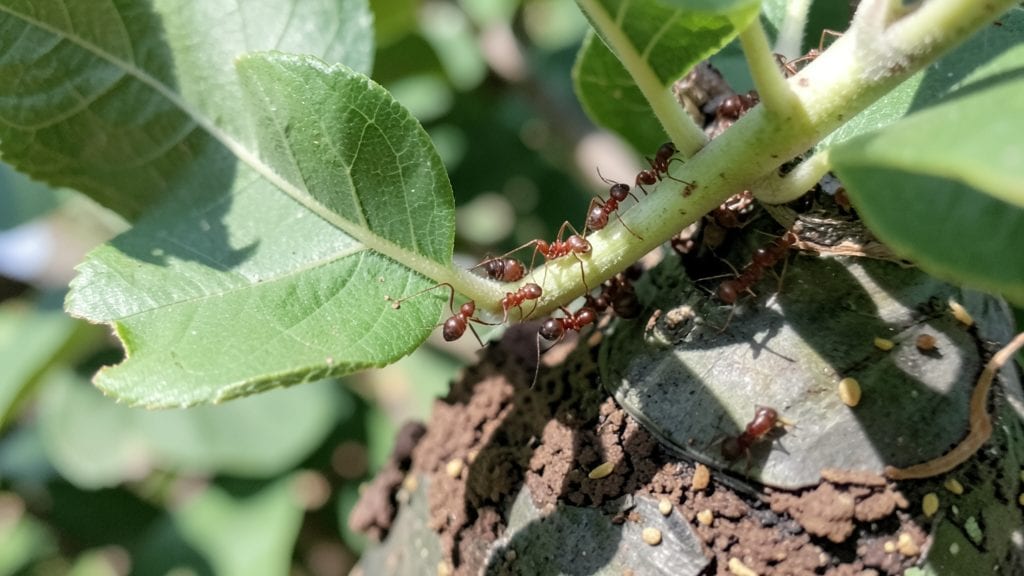
When ants march up your apple tree, they’re not just a nuisance—they’re calling reinforcements for aphids, mealybugs, and other sap-suckers that’ll drain your harvest. 🌿 I’ve seen firsthand how a small ant trail can turn into a full-blown pest party if you don’t act fast, leaving your tree stressed and your apples stunted.
The good news? You don’t need harsh chemicals to break this cycle. A simple diatomaceous earth barrier at the trunk stops ants cold, while neem oil sprays disrupt their pheromone trails. The key is acting before they set up shop—once they’re established, they’ll protect their aphid "cows" like a fortress.
I’ve saved multiple trees using these methods, and your orchard can be next.
By next season, your tree will thrive without the ant-aphid alliance wrecking your harvest. You’ll notice fewer sticky leaves, more vigorous growth, and apples that stay sweet and plump. The best part? These tricks work for peach, cherry, and citrus trees too—ants don’t discriminate with their pest partnerships.
Start with the trunk barrier this week, then monitor for aphids. If you catch the ants early, you’ll nip the problem before it spreads. Here’s exactly how to set up those natural defenses without harming bees or birds—your tree (and your patience) will thank you.
Root Causes Of Tiny Invaders
When you spot ants on apple tree branches or trunks, they’re rarely just passing through—they’re drawn by something sweet. Understanding why they show up helps you stop them before they become a bigger problem. Here’s a breakdown of the most common reasons, explained clearly.
Ants are like tiny sugar detectives, and apple trees often leave a trail of sweet rewards. Two main culprits lure them in:
- Honeydew: This sticky, sugary waste is excreted by sap-sucking pests like aphids, mealybugs, or scale insects. Ants love honeydew because it’s an easy, high-energy snack. In fact, they often farm these pests, protecting them in exchange for a steady food source. If your apple tree is hosting aphids (common on new leaves or stems), ants will follow to harvest the honeydew.
- Tree Sap: Damaged bark, wounds from pruning, or even natural sap flows (like those from young trees) can attract ants. They’re drawn to the sugars in sap and may even nest in bark crevices if the tree is injured.
💡 Pro Tip: Check your tree for tiny clusters of white, pink, or black bugs on leaves or stems. If you find them, that’s your first clue ants are on their way!
Ants need shelter, and apple trees provide the perfect real estate. Here’s why they choose your tree as a home:
- Bark Texture: Rough, cracked, or peeling bark offers ants hidden tunnels and nesting spots. Species like carpenter ants (larger, black or red ants) chew into wood to create galleries, while argyle ants (small, shiny black ants) nest in bark crevices.
- Hollow Trunks or Branches: Older apple trees with hollowed-out sections or dead branches are prime ant hotels. These spaces protect their colonies from predators and weather.
- Mulch & Debris: Piles of wood chips, leaves, or rocks near the tree base create a bridge for ants to travel up the trunk. They’ll use this as a highway to reach sap or honeydew sources.
🔍 Watch For: Tiny piles of sawdust-like frass (ant waste) near the base of the tree or along branches—a sure sign of nesting activity.
Ants aren’t just eating your tree’s sap—they’re often protecting other pests that damage it. This indirect harm happens in two ways:
| Pest Type | How Ants Help Them | Damage to Apple Tree |
|---|---|---|
| Aphids | Ants patrol aphid colonies, stroking them to release more honeydew. | Weakened leaves, stunted growth, and sooty mold (a black fungus from honeydew). |
| Mealybugs | Ants carry mealybug eggs to new spots, expanding infestations. | Yellowing leaves, deformed fruit, and sticky residue. |
| Scale Insects | Ants exclude predators (like ladybugs) that eat scale insects. | Stunted branches, premature leaf drop, and reduced fruit quality. |
⚠️ Warning: If you see ants and these pests together, the ants are likely encouraging the damage—not just hitching a ride.
Ants are more likely to invade your apple tree when certain conditions align:
- Warm, Dry Weather: Ants are most active in temperatures above 60°F (15°C). Drought-stressed trees produce more sap, making them even more attractive.
- Recent Pruning or Injury: Fresh cuts or wounds ooze sap, signaling ants that the tree is “leaking” food. Even bird pecks or hail damage can trigger an ant response.
- Nearby Food Sources: If you have fruit trees, compost piles, or even pet food left outside, ants will use these as “training grounds” before targeting your apple tree.
🌡️ Timing Matters: Ants are most aggressive in late spring to early summer—right when apple trees are flowering and sap is flowing.
Natural Fixes for Tiny Tree Invaders
Got ants marching up your apple tree like a tiny, six-legged army? Don’t panic—these pests can be deterred without harsh chemicals. The key is targeting their trail, food sources, and nesting habits with simple, eco-friendly solutions.
Below, we break down the most effective fixes based on the why behind the infestation, so you can act fast and keep your harvest safe.
Ants leave behind pheromone trails like tiny scent markers, guiding their colony straight to your tree’s sweet rewards. Cut off their communication with these tricks:
- 🍳 Vinegar Barrier Spray Mix 1 part white vinegar with 1 part water in a spray bottle. Douse the tree trunk, branches, and soil at the base—ants hate the smell and will avoid crossing it.
Reapply after rain. Pro tip: Add a few drops of dish soap to help it stick longer.
- 👨🍳 Diatomaceous Earth (DE) Ring Create a 2-inch-wide band of food-grade DE around the tree trunk. This powdery mineral dries out ants’ exoskeletons without harming plants. Refresh after watering, as moisture reduces its effectiveness.
- 🥘 Citrus Peels or Coffee Grounds Crush orange, lemon, or grapefruit peels (or used coffee grounds) into the soil near the tree. The strong scents mask pheromone trails and repel ants naturally. Bonus: Coffee grounds also fertilize your tree!
Ants farm for aphids, honeydew, and fallen fruit—so eliminate their free meals to break their motivation:
- 🔪 Prune Infested Branches Trim any limbs with visible aphids or sticky honeydew (a sign ants are farming pests). Dispose of clippings in a sealed bin—don’t compost them near your yard!
- 🌡️ Clean Up Fallen Fruit Ripe or rotting apples on the ground = ant magnet. Pick up debris daily, especially after harvest. Store picked apples in mesh bags or the fridge to avoid attracting foragers.
- 🎯 Introduce Ant Predators Encourage birds, toads, or ladybugs (natural ant enemies) by:
- Leaving leaf litter in shady spots.
- Planting native wildflowers (like dill or fennel) to attract beneficial insects.
If ants are swarming in waves, they’re likely nesting nearby. Locate and disrupt their hideouts with these methods:
- 💡 Flood the Nest (For Ground Nests) If you spot tiny mounds or trails leading underground, pour boiling water directly into the holes. Repeat weekly until activity stops. Avoid chemicals—this method is 100% organic.
- 🌡️ Baking Soda Bait (For Hidden Nests) Mix equal parts baking soda and powdered sugar in a shallow dish. Place near the tree base.
Ants carry it back to the nest, where the sugar attracts them and the baking soda kills the colony. Use sparingly—this is a last resort for severe infestations.
- 🔪 Dig and Relocate (For Large Colonies) If ants are underground, carefully dig up the nest (wear gloves!) and rehome them 50+ feet away in a bare patch of soil with no plants. Do this at dusk when they’re most active.
Once you’ve evicted the ants, lock the door with these habits:
- 🌿 Plant Ant-Repellent Companions Surround your apple tree with mint, lavender, basil, or tansy—their scents confuse ants’ navigation systems.
- 🍂 Mulch Smartly Use wood chips or straw (not fresh grass clippings) as mulch. Ants avoid dry, coarse textures and prefer moist, compacted soil.
- 🌡️ Monitor Regularly Check your tree weekly for new trails or honeydew. Early action = no full-blown invasion.
Remember: Ants on your apple tree are usually harmless to the fruit itself but can spread pests like aphids. By disrupting trails, removing food, and targeting nests, you’ll send them packing—without a single chemical in sight. 🚫🐜
Frequently asked questions
Why do ants keep showing up on my apple tree even after I tried vinegar?
Ants are persistent because they follow pheromone trails and seek honeydew from pests like aphids. Vinegar disrupts trails temporarily, but you must also remove aphids (with neem oil) and apply a diatomaceous earth barrier at the trunk to block their return. Reapply vinegar after rain, as moisture washes it away.
Is it safe to use diatomaceous earth around my apple tree?
Yes, food-grade diatomaceous earth (DE) is non-toxic to plants, pets, and pollinators when used correctly. Just apply it as a 2-inch band around the trunk—avoid spraying leaves directly, as wind or rain could carry it elsewhere. Reapply after watering, since moisture reduces its effectiveness.
Will ants actually harm my apple tree or fruit?
Ants themselves don’t eat apples, but they protect harmful pests like aphids, mealybugs, and scale insects that drain sap and weaken the tree. These pests also leave sticky honeydew, which attracts sooty mold—a black fungus that blocks sunlight. The real damage comes from the ants’ pest partnerships, not the ants alone.
How do I know if ants are nesting in my apple tree?
Look for tiny piles of sawdust-like frass near the base or along branches, or visible trails leading to hidden crevices in rough bark. If you see large black or red ants (carpenter ants), they may be tunneling into wood. For ground nests, check for small mounds or disrupted soil.
Can I use essential oils to repel ants from my apple tree?
Yes! Mix 10-15 drops of peppermint, lemon, or tea tree oil with 1 cup of water and 1 teaspoon of dish soap in a spray bottle. Lightly mist the trunk, branches, and soil around the base—ants avoid these scents. Reapply every 3-5 days or after rain. Avoid spraying flowers to protect pollinators.