
Trees
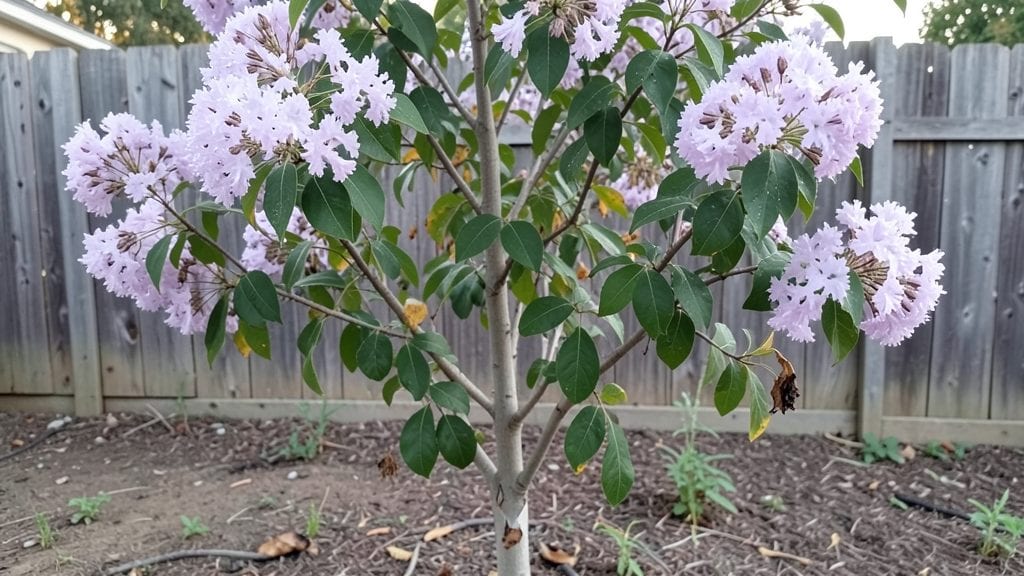
Those wild purple trees in my garden turn every season into a living masterpiece—summer’s deep violet leaves, winter’s blush-pink bark, and lavender blooms buzzing with bees—while turning privacy into a breathtaking showstopper. 🌿 less fuss than most shrubs.
The right purple tree turns a plain fence into a year-round masterpiece, all while attracting wildlife and cutting your maintenance time.
Native species like the Eastern Redbud or Amur Maple bring drama with minimal upkeep, while cultivars like ‘Royal Purple’ Smokebush or ‘Purple Smoke’ Crape Myrtle deliver nonstop color.
They thrive in partial shade or full sun, adapt to most soils, and grow fast enough to create that lush, secluded feel within just a few years. The key is matching the tree’s natural habits to your space—tall varieties for borders, sprawling ones for focal points.
Imagine stepping into your backyard and being wrapped in a sea of purple—foliage that stays vibrant even in winter, flowers that perfume the air in spring, and bark that adds texture when everything else is bare.
These trees don’t just screen your view; they create a mood. Pair them with silver foliage plants to make the purple pop, or add climbing roses for a romantic cottage-garden feel.
Whether you’re designing a woodland retreat or a modern minimalist space, purple trees bring depth and personality. They’re the secret weapon for gardeners who want impact without the high-maintenance drama. Let’s find the perfect one for your vision—your yard deserves this kind of magic.
📚 In This Guide
- What you need
- Instructions
- Tips and common mistakes
- Wrapping up and next steps
What you need
- ● Purple-leafed tree varieties: Choose from Prunus cerasifera (Purple Leaf Plum), Cercis canadensis 'Forest Pansy' (Redbud), or Fothergilla gardenii (Witch Alder). Quantity: 3–5 trees for a dense hedge (adjust based on spacing needs).
- ● High-quality potting soil: 5–10 bags (depending on container size or planting depth). Look for a mix with 50% compost for nutrient-rich growth.
- ● Organic mulch: 2–3 cubic yards (e.g., wood chips or shredded bark) to retain moisture and suppress weeds.
- ● Slow-release fertilizer: 1–2 bags (e.g., 10-10-10 or a tree-specific blend) to kickstart growth.
- ○ Tree guards or protective tubes: 3–5 units (optional but recommended for young trees to prevent gnawing by deer or rabbits).
- ● Shovel: 1 medium-sized digging shovel (for planting holes).
- ● Garden fork: 1 (to loosen compacted soil).
- ● Wheelbarrow: 1 (for transporting soil and mulch).
- ● Pruners: 1 pair of bypass pruners (for trimming dead branches).
- ● Measuring tape: 1 (to ensure proper spacing—aim for 8–12 feet apart for mature trees).
- ● Watering can or hose with nozzle: 1 (for gentle, deep watering).
- ● Gloves: 1 pair (heavy-duty work gloves to protect your hands).
- ● Epsom salt: 1 small bag (adds magnesium for vibrant foliage—mix 1 tbsp per gallon of water monthly).
- ● Tree stakes & ties: 3–5 stakes (for young trees in windy areas).
- ● Soil pH test kit: 1 (purple trees thrive in slightly acidic to neutral soil (pH 6.0–7.0)).
- ● Drip irrigation system: 1 (for automated watering in dry climates).
- ● Wildlife repellent spray: 1 bottle (e.g., deer or rabbit deterrent if needed).
How to plant and care for wild purple trees for stunning privacy
Here's the foolproof approach I use to establish a lush, purple-hued privacy screen that thrives year-round.
🌱 Step 1: Select and Prepare the Planting Site
Choose a location with at least 6 hours of sunlight daily—these trees need full sun to maintain their vibrant purple foliage. Test your soil's drainage by digging a 12-inch deep hole and filling it with water; if it doesn't drain within 4 hours, amend the soil with 3 inches of compost mixed into the top 12 inches of native soil.
Wild purple trees thrive in well-draining soil with a slightly acidic to neutral pH. If your soil is heavy clay, incorporate 1 part perlite to 3 parts soil to improve aeration. Mark your planting area with stakes to ensure you space trees 10-15 feet apart for mature growth—this spacing prevents overcrowding and ensures each tree develops a full, vibrant canopy.
🪴 Step 2: Plant Bare-Root or Container-Grown Trees
If planting bare-root trees, soak the roots in lukewarm water for 1-2 hours before handling to revive them. Dig holes twice as wide and just as deep as the root ball. For container-grown trees, gently remove the plant from its pot and loosen any circling roots with your fingers—this encourages outward growth rather than root binding.
Place the tree in the hole so the top of the root ball sits 1-2 inches above ground level. The reason for this elevation is to prevent water from pooling around the stem, which can cause rot. Backfill the hole with native soil mixed with compost, tamping down gently in 3-inch layers to eliminate air pockets. Water deeply until the soil is evenly moist to a depth of 12 inches.
☀️ Step 3: Establish Mulch and Watering Routine
Spread a 3-inch layer of organic mulch (like shredded bark or wood chips) around the base of each tree, keeping it 6 inches away from the trunk. Mulch conserves moisture, regulates soil temperature, and suppresses weeds—critical for young trees still developing their root systems. Water deeply twice weekly for the first 3 months, ensuring the soil stays consistently moist but not soggy.
You'll know your watering is correct when the top 2 inches of soil feel damp but not waterlogged. Avoid overhead watering, which can spread disease; instead, use a soaker hose or drip irrigation to deliver water directly to the root zone. Once the trees are established (after 1 year), reduce watering to once weekly during dry spells.
✂️ Step 4: Prune for Shape and Health
Prune in late winter or early spring before new growth begins. Remove any dead, diseased, or crossing branches first—these are the easiest to spot and address. Then, shape the tree by cutting back any branches that grow inward or rub against others. Use clean, sharp pruners to make cuts at a 45-degree angle just above a bud or lateral branch.
Never remove more than 25% of the tree's foliage in a single pruning session, as this stresses the plant. Focus on opening the canopy to improve air circulation, which reduces disease risk and encourages vibrant purple foliage. After pruning, apply a balanced fertilizer (10-10-10 ratio) around the root zone to support new growth.
🌿 Step 5: Maintain Year-Round for Long-Term Privacy
Fertilize annually in early spring with a slow-release, organic fertilizer to provide steady nutrients without risk of overfeeding. Monitor for pests like spider mites or aphids—you'll spot them as tiny webs or sticky residue on leaves. Treat infestations immediately with a horticultural oil spray applied in the early morning or late evening to avoid harming beneficial insects.
Wild purple trees are drought-tolerant once established, but they reward consistent care with lush, colorful canopies. By year 3, your trees should form a dense, private barrier with minimal gaps. If you notice leaves losing their purple hue, they may need more sunlight—consider thinning nearby branches to improve light penetration.
Tips & tricks for perfect wild purple tree privacy screens
A few strategic moves will ensure your wild purple trees grow into the vibrant, dense privacy barrier you envision.
Sunlight is Non-Negotiable: The 6 hours of sunlight requirement in Step 1 isn't just a suggestion—it's the foundation of those stunning purple leaves. I've seen trees lose their color when planted in partial shade, no matter how well you care for them. If your yard has limited sun exposure, consider using containers that can be moved to sunnier locations during peak sunlight hours. Trust me, the difference in foliage color after just a few weeks is dramatic.
Root Revival Technique: That 1-2 hour soak for bare-root trees in Step 2 isn't just about hydration—it's about reviving dormant roots. I learned this the hard way after planting trees that wilted within days. For container-grown trees, take extra care to loosen those circling roots; I use my fingers to gently separate them, almost like untangling headphones. This simple step makes all the difference in establishing strong root systems.
Mulch Placement Matters: When you spread that 3-inch layer of mulch in Step 3, keep it 6 inches away from the trunk—this isn't arbitrary. Mulch piled against the trunk can cause rot by trapping moisture. I've seen this happen with eager gardeners who want to maximize moisture retention. Instead, create a donut-shaped mulch ring around each tree for optimal benefits without risking trunk health.
Pruning Precision: The 25% foliage limit in Step 4 might seem restrictive, but it's crucial for maintaining tree health. I've made the mistake of over-pruning in one session, which stressed the trees so much they struggled to recover. Focus on removing only what's necessary—dead branches, crossing growth—and shape gradually over multiple sessions if needed. This approach preserves that vibrant purple canopy while keeping your trees thriving.
Pro Tips for Wild Purple Trees
- A few strategic moves will ensure your wild purple trees grow into the vibrant, dense privacy barrier you envision.
- Sunlight is Non-Negotiable: The 6 hours of sunlight requirement in Step 1 isn't just a suggestion—it's the foundation of those stunning purple leaves.
- Root Revival Technique: That 1-2 hour soak for bare-root trees in Step 2 isn't just about hydration—it's about reviving dormant roots.
Frequently asked questions
Got questions about wild purple trees? You’re not alone! Here are some of the most common inquiries—and their answers—to help you plant with confidence.
What are the best wild purple trees for privacy screens?
Top picks include Cercis canadensis (Eastern Redbud), Prunus cerasifera (Purple Leaf Plum), and Cotinus coggygria (Smokebush). For year-round coverage, opt for evergreens like Picea pungens 'Glauca Globosa' (Colorado Blue Spruce) with purple-tinged foliage or Thuja occidentalis 'Sunkist' (Golden Arborvitae) for a mix of hues.
How long does it take for a wild purple tree to grow into a privacy screen?
Most purple-leafed trees grow 1–3 feet per year, so a 6–8-foot-tall screen takes 3–5 years. Fast growers like Populus deltoides (Eastern Cottonwood) can reach 10+ feet in just 2 years, but they’re less vibrant. Plan ahead—patience pays off with that stunning purple canopy!
Are wild purple trees expensive to maintain?
Not necessarily! While some varieties (like Cercis) may need occasional pruning, most purple trees are low-maintenance. Mulch annually to retain moisture, and fertilize lightly in spring. Pro tip: Native species (e.g., Prunus serotina 'Pendula') thrive with minimal care and attract pollinators—win-win for your wallet and ecosystem!
Can I grow wild purple trees in all climates?
Most purple trees prefer USDA Zones 5–9, but cold-hardy options like Amelanchier lamarckii (Juneberry) thrive in Zones 3–7. For warmer regions (Zones 10+), try Lagerstroemia indica (Crape Myrtle) or drought-tolerant Olivea europaea varieties. Always check your tree’s specific needs before planting!
What if my purple tree loses its color?
Color fading often happens due to too much sun, poor soil, or over-fertilizing. Move potted trees to partial shade, amend soil with organic matter, and avoid high-nitrogen fertilizers. Stress tip: A light spray of seaweed extract can boost vibrancy naturally. If the issue persists, consult a local arborist!
Are there non-tree alternatives for purple privacy?
Consider Hydrangea macrophylla (Bigleaf Hydrangea) for lush purple blooms, Berberis thunbergii 'Rose Glow' (Japanese Barberry) for year-round color, or Clematis vines on trellises. For instant privacy, try Purple Heart (Tradescantia pallida) as a ground cover—just note it’s invasive in some areas.
Wrapping up and next steps
Wild purple trees aren’t just stunning—they’re a game-changer for privacy, color, and even wildlife support! Whether you’re dreaming of a lush purple canopy or a low-maintenance hedge, these trees blend beauty with practicality. 🌿✨
Ready to transform your space? Start by researching the best purple varieties for your climate, then take the first step—visit a local nursery or order seeds online. Your vibrant, year-round privacy solution is just a planting away!
Pro tip: Sketch a rough layout of where you’d like the trees to thrive—it’ll make the process even smoother! 🎯