
How To
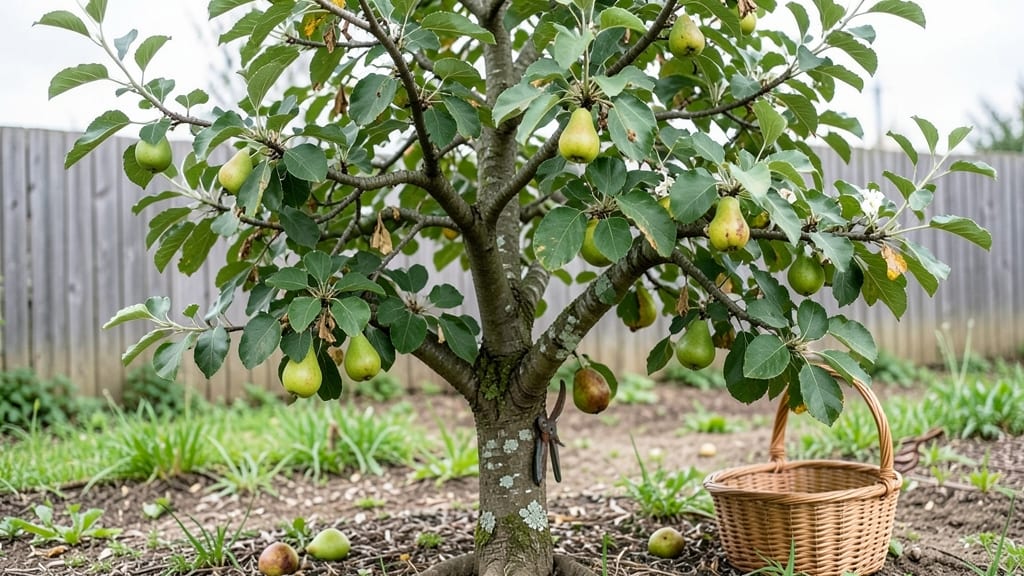
Picking pears from your tree at just the right time means the difference between a dessert that melts in your mouth and one that turns to mush—so timing is everything.
Harvesting too early means waiting weeks for ripeness, while waiting too long guarantees mealy, flavorless fruit. The secret? Knowing when to pluck them based on color, firmness, and a simple twist test that takes just 10 seconds.
Most pear varieties in Zone 6a hit peak ripeness between late September and October, but the exact moment depends on your climate and the type of 🍐 you're growing.
Whether you've got a Bartlett or a Bosc, I'll walk you through the foolproof cues—and what to do if you miss the window.
You’ll leave this guide knowing exactly when to reach for those pears, how to store them for maximum sweetness, and the one mistake that ruins even the ripest fruit.


How to test pear ripeness before harvesting from the tree
Picking pears at the right time transforms your harvest from mealy and bland to juicy and sweet. Unlike apples, pears don't ripen on the tree—so timing is everything. The key lies in visual cues, tactile tests, and understanding your tree's variety-specific maturity signals.
Let's break down the science-backed methods to nail your harvest window every time.
First, observe the skin color—this is your primary indicator. Most pears develop a distinct mature hue (golden, red, or dapple) when ready. For example, Bartlett pears turn golden-yellow, while Bosc pears develop a rich russet.
If the fruit still shows green undertones, it needs more time on the tree. Color changes are triggered by ethylene gas production as the fruit matures.
Here’s a quick reference to guide your pear harvest:
<summary-table>Next, perform the stem separation test—this is the most reliable method. Gently grasp the pear near the stem and twist it slightly. If it detaches easily (without tearing the fruit), it’s ready.
A stubborn stem means the pear needs more time. This test works because pears naturally separate from the tree as they mature, triggered by cell wall breakdown in the fruit stalk.
The thump test is a pro trick used by orchard workers. Tap the pear near the stem with your knuckle—if it sounds hollow or slightly dull, it’s ripe. A solid, high-pitched sound means it’s still firm and needs time.
This test works because ripe pears have less internal resistance due to softening fruit tissue. Pair this with the firmness test: press your thumb into the pear’s skin. It should yield slightly (like pressing a ripe peach) but not feel mushy.
Timing matters too. Most pears ripen in late summer to early fall, typically between September and October in most U.S. growing zones. However, early varieties like Moonglow may ripen as early as August, while late varieties like Seckel can hang until November.
Check your tree’s bloom time—pears take about 180-240 days to mature after flowering, so track this window closely.
Regional climate plays a role. Cooler zones (like USDA Zone 5) may have a shorter harvest window due to earlier frosts, while warmer zones (like Zone 8) can extend ripening into late fall.
If frost threatens before your pears are ready, harvest them firm but colored and store them in a cool, dark place to ripen indoors. This mimics the tree’s natural ethylene exposure, allowing them to soften properly.
Pro tip: Harvest pears on a dry morning to avoid spreading disease. Use pruning shears or a fruit picker to avoid damaging the tree. Leave a short stem (about 1 inch) to extend shelf life.
Once picked, store them at 32-40°F with 90-95% humidity to slow ripening. Pears continue to ripen after harvest, so don’t rush them—patience pays off with peak flavor.
Finally, remember that overripe pears become mealy and lose sweetness. If you’re unsure, pick a few pears and let them ripen at room temperature for 3-5 days.
The ones that soften first are ready to eat, while the firmer ones need more time. This trial-and-error method helps you refine your harvest timing for future seasons.
With these tests, you’ll never guess again—just harvest with confidence and enjoy pears at their peak ripeness! 🍐
Best time of year to pick pears by variety (with regional adjustments)
Timing your pear harvest is everything—pick too early, and you’ll miss peak sweetness; too late, and the fruit turns mealy. Most pears ripen in late summer to fall, but the exact window depends on the variety and your USDA hardiness zone.
For example, Bartlett pears in Zone 6 ripen in September, while Bosc pears may wait until October. Asian pears often mature even later, sometimes stretching into November in warmer climates.
Your local climate shifts these timelines dramatically. In cooler zones (5-7), pears typically ripen 2-4 weeks earlier than in warmer zones (8-10).
For instance, a Bartlett pear in Zone 9 might be ready in early September, while the same variety in Zone 5 could wait until late September or early October. Always check your last frost date—harvesting too close to winter can stress the fruit.
Early varieties like Moonglow or Seckel ripen first, often in late August to early September, while late varieties such as Anjou or Orient may not be ready until October or November. Asian pears (like Shinseiki) are the late bloomers, sometimes lingering on the tree until November or even December in mild climates.
Don’t rely solely on the calendar—test ripeness by gently twisting the fruit from the stem. If it detaches without resistance, it’s ready.
For Asian pears, which don’t soften like European varieties, focus on size and firmness—they’re best when fully grown but still crisp to the touch. In hotter climates, pears may ripen faster, so monitor them weekly starting in August.
Pro tip: Harvest a few pears early and let them ripen indoors at room temperature to gauge timing.
This works especially well for Bartletts, which soften dramatically after picking. Bosc pears, on the other hand, hold their firmness longer and can ripen slowly in a cool, dark place like a basement. Always use sharp pruners to avoid damaging the tree or fruit.
If you’re in Zone 4 or colder, aim to harvest before the first frost, even if the pears aren’t fully ripe. Underripe pears can be stored in a paper bag with a banana to speed up ripening using ethylene gas.
For warmer zones (9-11), some late varieties like Orient pears may stay on the tree until December, but watch for pest pressure or disease risk in prolonged damp conditions.