
Watering
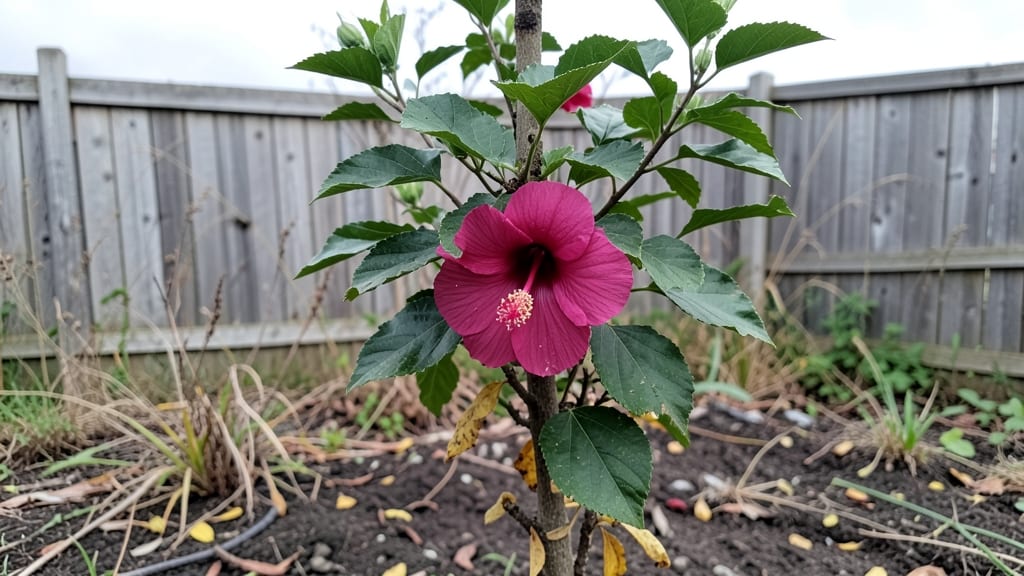
Watering a hibiscus tree is my secret to those jaw-dropping blooms that last all season long. 🌺 I’ve watched my own hibiscus go from a sad, droopy plant to a lush, flowering showstopper just by adjusting how and when I water.
The key isn’t just throwing water at it—it’s about matching the plant’s thirst to its environment, whether it’s in the ground or a pot.
Hibiscus trees in the ground need about 1-1.5 inches of water per week, but container-grown ones dry out faster—sometimes needing water every 2-3 days in hot weather.
Stick your finger in the soil: if the top 2 inches feel dry, it’s time to water deeply until it drains out the bottom. Overwatering is the real killer, so always check before you water again.
Seasonal shifts matter too. In summer, your hibiscus will drink like it’s in the desert—expect to water twice a week or more. But in winter, when growth slows, you might only need to water every 10-14 days.
Mulch helps keep moisture in, and well-draining soil prevents soggy roots that lead to root rot.
The payoff? A hibiscus that blooms nonstop from spring to frost, with flowers so vibrant they make your neighbors do a double-take. Once you nail the watering routine, your plant will reward you with bold, tropical blooms that turn heads—and maybe even a few compliments from passersby.
Let’s get those roots happy!
📚 In This Guide
- What you need
- Instructions
- Tips and common mistakes
- Wrapping up and next steps
What you need
- ● Water hibiscus plant: A healthy nursery-grown specimen (3–6 feet tall for best results). Look for Hibiscus rosa-sinensis varieties like 'Dwarf Red' or 'Pink Giant' for compact growth.
- ● Container or pool: For pots: A 15–20 gallon container (minimum 18" diameter) with drainage holes. Terracotta or fiberglass works best to regulate moisture.
- ● For pools: A shallow, wide pool (3–4 feet deep) with sandy or gravelly bottom soil for root stability.
- ○ Well-draining soil: Mix 60% potting soil with 30% perlite and 10% compost for aeration. Optional: Add hydroponic clay pebbles for aquatic setups.
- ● Water source: Potted plants: Dechlorinated water (use a water conditioner if tap water is treated).
- ● Pool plants: Freshwater top-ups (1–2 inches per week) to replace evaporated water.
- ● Pruning shears (sterilized with rubbing alcohol) for trimming dead blooms or overgrowth.
- ● pH test kit (ideal range: 6.0–7.0 for soil/water).
- ● Slow-release fertilizer (e.g., 10-10-10 NPK) or aquatic plant tablets for pools.
- ○ Mulch (optional): Pine bark or coconut coir to retain moisture in pots.
- ○ Support stake (optional): For tall varieties in pots to prevent toppling.
Step-by-Step guide to watering your hibiscus tree for vibrant blooms
Here's how I keep my hibiscus thriving with the right watering routine—no guesswork, just consistent beauty.
💧 Step 1: Understand Your Hibiscus's Thirst
Hibiscus trees love moisture but hate soggy roots. I water mine when the top 2-3 inches of soil feel dry to the touch. Stick your finger in—if it's damp, wait another day. This tropical plant drinks deeply, so one thorough soaking is better than daily shallow watering.
Real talk: Overwatering is the fastest way to kill a hibiscus. Yellow leaves or drooping branches? You're likely drowning the roots. Let the soil dry slightly between waterings, especially in cooler months when growth slows.
☀️ Step 2: Water Deeply at the Base
Pour water slowly at the soil line, not the leaves. I use a hose with a gentle spray nozzle or a watering can to avoid splashing foliage. Hibiscus roots spread wide, so aim for 1-2 gallons per watering for a mature tree—enough to moisten the root zone completely.
Watch for water pooling at the base. If it doesn't soak in within 10 minutes, your soil may be too compacted. Amend with organic matter next time to improve drainage. Wet leaves invite fungal diseases, so always water in the morning for quick evaporation.
🌿 Step 3: Adjust for Seasonal Changes
During spring and summer, I water every 2-3 days unless we've had heavy rain. The heat demands more moisture, and you'll see new growth spurt after watering. In fall and winter, cut back to once a week—the plant rests, and overwatering stresses it.
I know it seems counterintuitive, but hibiscus bloom best when slightly thirsty. If flowers wilt by afternoon, increase water slightly. But if buds drop before opening, you're likely overwatering. Balance is key—like Goldilocks, not too much, not too little.
✂️ Step 4: Mulch to Lock in Moisture
Spread a 2-3 inch layer of mulch around the base (but not touching the trunk) to slow evaporation. I use shredded bark or pine straw—it keeps roots cool in summer and retains moisture for longer. Replenish mulch annually to maintain its effectiveness.
This step cuts watering frequency by nearly half. The mulch acts like a blanket, protecting roots from temperature swings and helping soil stay consistently moist. Just remember: Keep it away from the trunk to prevent rot.
🌱 Step 5: Watch for Signs of Stress
Healthy hibiscus leaves are deep green and slightly leathery. If they yellow or curl, adjust your watering. Brown edges mean underwatering; mushy stems mean overwatering. I check leaves weekly—it's the plant's way of talking to me.
Here's the thing: Hibiscus trees are forgiving if you catch issues early. A quick adjustment in watering can revive a struggling plant. But if problems persist, check your soil drainage or light exposure too—sometimes the fix isn't just about water.
Tips & tricks for perfect hibiscus watering
These simple strategies will help you keep your hibiscus blooming like a pro—no more guesswork, just stunning results every season.
The Finger Test: In Step 1, when checking that top 2-3 inches of soil, press gently—it should feel dry but not bone-dry. Think of it like a slightly damp sponge. If you're unsure, wait 24 hours and test again. I've learned this the hard way after overwatering twice in a row! The key is that tropical feel—moisture without sogginess.
Morning Watering: Step 2 emphasizes watering in the morning, and there's a good reason beyond evaporation. Morning watering gives leaves plenty of time to dry completely before nightfall, which dramatically reduces fungal risks. I've seen hibiscus leaves develop black spots from evening watering—trust me, you don't want that. Plus, morning watering mimics natural rainfall patterns.
Seasonal Adjustments: The 2-3 day summer schedule in Step 3 is perfect, but here's what nobody tells you—watch your local weather. If you're in a humid climate, you might need to water every other day even in summer. I keep a small notebook by my hibiscus to track what works each week. And in winter, if your home stays above 65°F, you might need to water every 10 days instead of weekly.
Mulch Matters: That 2-3 inch mulch layer in Step 4 isn't just decorative—it's a game-changer. I've seen watering needs drop by 40% after adding mulch. The secret is keeping it 2-3 inches away from the trunk to prevent rot. For extra insurance, I top my mulch with a thin layer of pine needles, which adds acidity that hibiscus love. Just replenish it every spring before the growing season kicks in.
Pro Tips for Water Hibiscus Tree
- These simple strategies will help you keep your hibiscus blooming like a pro—no more guesswork, just stunning results every season.
- The Finger Test: In Step 1, when checking that top 2-3 inches of soil, press gently—it should feel dry but not bone-dry.
- Morning Watering: Step 2 emphasizes watering in the morning, and there's a good reason beyond evaporation.
Frequently asked questions
Got questions about nurturing your water hibiscus tree? You’re not alone! Here are some of the most common queries—plus quick, expert-backed answers to keep those vibrant blooms thriving.
How often should I water my water hibiscus tree?
Water hibiscus trees love consistent moisture—keep the soil evenly damp (not soggy!). In warm weather, water every 2–3 days, while cooler months may require watering every 4–5 days. Stick your finger 1–2 inches into the soil; if it feels dry, it’s time to water. Pro tip: Use room-temperature water to avoid shocking the roots!
Can water hibiscus survive winter? What’s the ideal temperature range?
These tropical beauties hate cold drafts! Keep them in 65–85°F (18–29°C) year-round. If temps drop below 55°F (13°C), move them indoors or to a greenhouse. Avoid sudden temperature swings—they’ll drop buds or leaves faster than you can say “oops!”
Why aren’t my water hibiscus flowers opening? Troubleshooting tips?
No blooms? Check these fixes:
- Light: Needs bright, indirect light (6+ hours/day). South/west windows or grow lights work best.
- Nutrients: Feed with a balanced liquid fertilizer (20-20-20) every 4–6 weeks during spring/summer.
- Pruning: Trim leggy stems to encourage bushier growth and more flowers.
- Stress: Over/under-watering or drafts can cause buds to drop.
Pro tip: A light shake of the plant can help buds open!
What are some low-maintenance alternatives to water hibiscus?
If water hibiscus feels high-maintenance, try these easy-care tropical bloomers:
- Anthurium: Thrives in low light, loves humidity, and blooms year-round.
- Peace Lily: Nearly indestructible, forgives neglect, and purifies air.
- Calathea: Stunning foliage with minimal watering needs (keep soil moist, not soggy).
- Spider Plant: Hardy, pet-friendly, and tolerates occasional dry spells.
All three need moderate light and occasional misting for happy leaves!
My water hibiscus leaves are yellowing—what’s wrong?
Yellow leaves usually signal overwatering or nutrient deficiencies. Check these fixes:
- Drainage: Ensure the pot has drainage holes and use a well-draining mix (peat + perlite).
- Watering: Let the top 1 inch of soil dry between waterings.
- Fertilizer: Switch to a chelated iron supplement if leaves are pale yellow.
- Pests: Inspect for aphids or spider mites (wipe leaves with neem oil if needed).
Act fast—yellowing often spreads if ignored!
Wrapping up and next steps
The water hibiscus tree is a stunning addition to any garden, offering vibrant blooms and easy care—perfect for adding tropical flair with minimal fuss! 🌺 Whether you're a seasoned gardener or a beginner, its resilience and beauty make it a rewarding plant to nurture.
Ready to bring this tropical magic to your space?
Your next step? Grab your supplies, follow the care tips, and watch your water hibiscus thrive! Plant it today and enjoy year-round color that will leave your neighbors in awe.