Trees
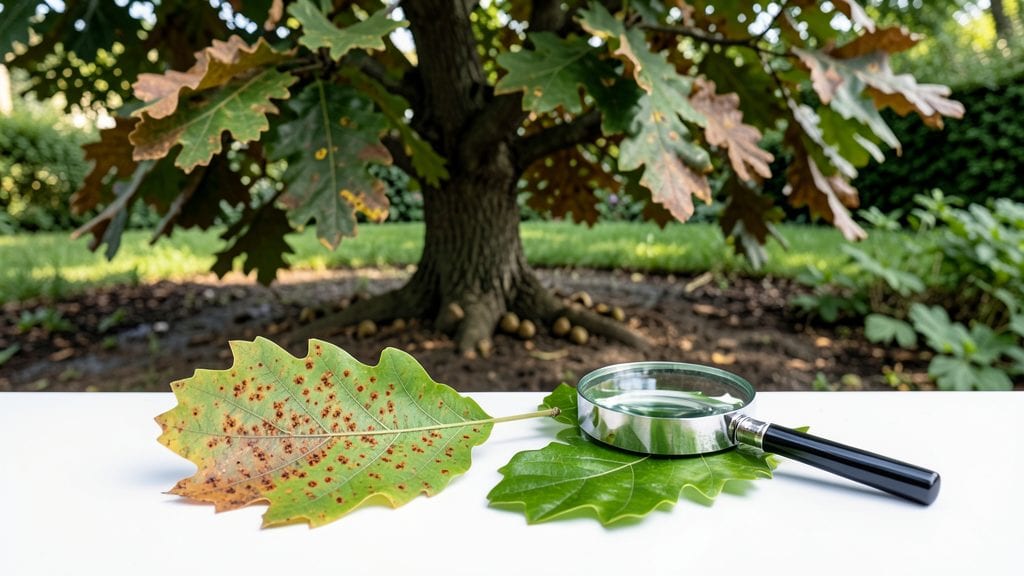
Those suspicious orange spots on your leaves could be the telltale sign of rust in trees—here’s how to spot and stop it.
That’s rust fungus—and it’s more common than you’d think. 🌿 I’ve battled it on my oak and pine trees, and while it looks alarming, the good news is most trees can bounce back with the right care.
The key is acting fast before it spreads or weakens the tree over time.
Rust thrives in damp conditions and jumps from plant to plant, so prevention starts with proper spacing, pruning infected branches, and avoiding overhead watering. Organic options like neem oil or copper fungicide can help, but the real secret is timing—treat it before new growth starts in spring.
My trees recovered completely after just two seasons of consistent care.
You’ll know it’s working when the new leaves stay green and free of spots by midsummer. The worst-case scenario is removal, but that’s only for severely weakened trees. Most of the time, a little elbow grease and patience go a long way—my oak hasn’t shown signs in three years now.
Works for pines, oaks, roses, and even fruit trees. Let’s get those branches healthy again—here’s exactly how to do it.
The Science Behind Tree Rust
If you’ve ever noticed orange, brown, or yellowish powdery patches on tree leaves, bark, or even the ground beneath them, you’re likely seeing tree rust—a fungal infection that thrives in specific conditions.
Unlike the rust that forms on metal, this is a biological process driven by microscopic fungi called rust fungi. These pathogens target over 7,500 plant species worldwide, including many ornamental and fruit-bearing trees. Understanding why rust develops in trees is the first step to preventing it.
Let’s break down the key factors that turn a healthy tree into a fungal buffet.
Rust fungi love water. Their spores need moisture to germinate, infect plant tissues, and spread. Here’s how humidity and wetness create the perfect storm:
- Leaf Wetness: Rust spores land on leaves and require at least 6–12 hours of leaf wetness to germinate. Heavy dew, rain, or even overhead irrigation (like sprinklers) can keep leaves damp long enough for infection.
- High Humidity: Humidity above 70–80% for extended periods (days or weeks) encourages spore production and growth. Fungal mycelium (the thread-like network of the fungus) thrives in these conditions, spreading through the tree’s tissues.
- Poor Drainage: Waterlogged soil or compacted roots can weaken a tree’s defenses, making it more susceptible to rust infections. Actionable tip: Improve soil drainage with organic matter like compost or mulch to reduce fungal pressure.
💡 Pro Tip: If your area is prone to frequent rain or high humidity, choose rust-resistant tree varieties (e.g., some oak species over susceptible ones like apple or hawthorn) or prune for better airflow to dry leaves faster.
Healthy trees have natural defenses—thick bark, waxy leaf coatings, and immune responses—that repel fungi. But when trees are stressed, rust fungi exploit the opportunity. Common stressors include:
| Stress Factor | How It Helps Rust Spread |
|---|---|
| Nutrient Deficiencies (e.g., nitrogen, zinc, or iron) | Weak leaves can’t produce enough protective compounds, making them easier targets for spores. |
| Physical Damage (e.g., pruning wounds, storms, or insect bites) | Open wounds provide entry points for fungi to invade the tree’s vascular system. |
| Drought or Overwatering | Both extremes disrupt the tree’s ability to photosynthesize efficiently, weakening its immune response. |
| Competition for Resources (e.g., invasive weeds or overcrowded roots) | Stressed trees allocate energy to survival rather than defense, leaving them vulnerable. |
🌡️ Actionable Fix: Conduct a soil test to check nutrient levels and adjust fertilization accordingly. Prune trees in dry conditions (not after rain) to minimize wound infections, and mulch to retain moisture without suffocating roots.
Trees that grow too close together create a microclimate perfect for rust fungi. Here’s why:
- Reduced Airflow: Dense foliage traps moisture, keeping leaves wet longer and slowing evaporation. Rust spores linger and multiply in these humid pockets.
- Shared Spores: Infections spread rapidly between trees of the same species. For example, cedar-apple rust jumps from juniper (the alternate host) to apple trees.
- Increased Shade: Low-light conditions weaken trees, making them less able to fight off pathogens.
✨ Prevention Tip: Space trees 10–20 feet apart (depending on the species) to improve airflow. If you’re dealing with an existing overcrowded area, thin out the weakest or most infected trees first.
Many rust fungi have a two-host life cycle, meaning they require two different plant species to complete their reproduction. For example:
- Cedar-Apple Rust: Spores form on juniper trees (the alternate host) in spring, then infect apple, crabapple, or hawthorn trees later in the season.
- White Pine Blister Rust: Needs currant or gooseberry bushes (Ribes species) to produce spores that later infect pines.
If both hosts are nearby, the fungus thrives. Removing one of the hosts can break the cycle.
🔥 Actionable Solution: Identify and remove alternate hosts if they’re not wanted in your landscape. For instance, if you have apple trees, consider removing nearby junipers to curb cedar-apple rust.
By addressing these root causes—moisture, stress, crowding, and alternate hosts—you can significantly reduce the risk of rust infections in your trees. The key is proactive care: healthy trees are resilient trees!
Quick Fixes for Tree Rust
Rust on trees—whether it’s the fungal infection gloeosporium or the unsightly iron oxide stains—can weaken your greenery or mar its beauty. But don’t panic! With the right approach, you can restore your trees to health and prevent future outbreaks.
Below, we’ve mapped common causes to practical solutions, so you can act fast and protect your trees long-term.
If your tree is battling a rust fungus (like cedar-apple rust or crown rust), early action is key to stopping its spread.
🔥 Step 1: Identify & Isolate the Problem
- Look for signs: Orange, brown, or yellow pustules on leaves? Rust-colored spores on stems? These are red flags.
- Separate infected trees: Keep them away from healthy ones to prevent spore transfer via wind or water.
🍳 Step 2: Prune Infected Areas
- Cut out affected leaves, branches, or twigs at least 6 inches below the visible infection (fungus spores can linger).
- Dispose of debris properly: Bag and trash infected plant material—do not compost it—to avoid reinfection.
👨🍳 Step 3: Apply Fungicidal Sprays (Organic & Chemical Options)
| Method | How to Use | Best For |
|---|---|---|
| Neem Oil Spray | Mix 1 tbsp neem oil + 1 tsp mild soap per quart of water. Spray every 7–10 days during growing season. | Early-stage rust, mild infections |
| Baking Soda Solution | 1 tbsp baking soda + 1 quart water + a few drops of dish soap. Spray weekly until rust disappears. | Preventative maintenance |
| Copper Fungicide | Follow label instructions (e.g., Cheshunt Compound). Apply at first sign of rust and repeat as needed. | Severe or recurrent fungal outbreaks |
⏰ Step 4: Improve Airflow & Reduce Moisture
- Thin out dense foliage to allow sunlight and air circulation.
- Water at the base (avoid overhead spraying) and water early in the day so leaves dry quickly.
If your tree has rust-colored stains (from iron-rich soil or water), it’s not a fungal issue—but it’s still unsightly and can signal over-fertilization or poor water quality.
🔪 Step 1: Test Your Soil & Water
- Soil test: High iron levels (especially in acidic soil) can leach onto bark. Adjust pH if needed (aim for 6.0–7.0).
- Water test: If your tap water is iron-rich, use rainwater or filtered water for irrigation.
🌡️ Step 2: Clean the Bark Gently
- Mix a mild solution: 1 gallon warm water + 1 tbsp white vinegar + 1 tsp dish soap.
- Scrub with a soft brush (avoid abrasives that damage bark).
- Rinse thoroughly to prevent vinegar buildup.
💡 Step 3: Apply Protective Coatings (If Needed)
- For young trees or sensitive bark, use a light horticultural oil (like jojoba oil) to create a barrier.
- Avoid heavy sealants—they can trap moisture and worsen fungal risks.
Once you’ve treated the issue, stop it from coming back with these easy habits:
🌱 Choose Resistant Tree Varieties
- Opt for rust-resistant species like:
- Oak (some varieties resist cedar-apple rust)
- Hornbeam (less prone to fungal rust)
- Serviceberry (naturally more resilient)
📊 Maintain Year-Round Tree Care
- Fertilize wisely: Over-fertilizing (especially with iron) can cause stains.
Use balanced, slow-release fertilizer. - Mulch properly: Keep mulch 2–4 inches deep and 6 inches away from the trunk to prevent moisture buildup. - Monitor regularly: Check for rust every 2 weeks during spring and fall (peak fungal seasons).
🎯 Emergency Action Plan
If rust returns:
- Reapply fungicide (rotate between neem oil and copper-based sprays).
- Call a local arborist if the tree is large or severely infected.
- Consider removing chronically infected trees if they’re non-native or weak (e.g., juniper trees often host cedar-apple rust).
- ❌ Ignore small spots: Rust spreads fast—act early!
- ❌ Use bleach or harsh chemicals: They can burn bark and harm beneficial microbes.
- ❌ Prune during rainy weather: Wet conditions speed up fungal growth.
With the right diagnosis and treatment, your trees can bounce back—rust-free and thriving! 🌳💚 Whether you’re battling fungus or just stubborn stains, these solutions will have your greenery looking its best in no time.
Frequently asked questions
What do rust spots on tree leaves actually look like?
Rust on trees appears as small, powdery orange, brown, or yellow pustules on the undersides of leaves. In later stages, you might see yellow-orange patches or distorted growth. Some types, like cedar-apple rust, produce horn-shaped structures on infected branches. These spots often appear in spring or early summer when humidity is high.
Can rust fungus kill my trees?
Most rust fungi won’t kill healthy trees outright, but severe or repeated infections can weaken them over time. Young trees, stressed plants, or species like white pines (vulnerable to blister rust) are at higher risk. If you notice widespread defoliation or stunted growth, the tree may need professional treatment or removal to prevent further decline.
How often should I spray fungicide to prevent rust?
For prevention, apply fungicide every 7–14 days during spring and early summer when spores are most active. Start spraying before you see signs of rust, especially after rainy periods. Organic options like neem oil or baking soda work well for mild cases, while copper fungicides are better for severe outbreaks. Always follow label instructions for timing and concentration.
Will removing infected leaves stop rust from spreading?
Yes, but it’s only part of the solution. Remove and dispose of infected leaves and branches (don’t compost them) to reduce spore spread. However, spores can linger in soil or on nearby plants, so combine pruning with fungicidal sprays and proper spacing between trees to break the infection cycle completely.
Are there any trees that never get rust?
No tree is completely immune, but some species are naturally more resistant. Trees like hornbeam, serviceberry, and certain oak varieties are less prone to rust than others. If you’re planting new trees, choose varieties known for resistance in your climate—local nurseries can provide guidance on the best options for your area.