
Flowers
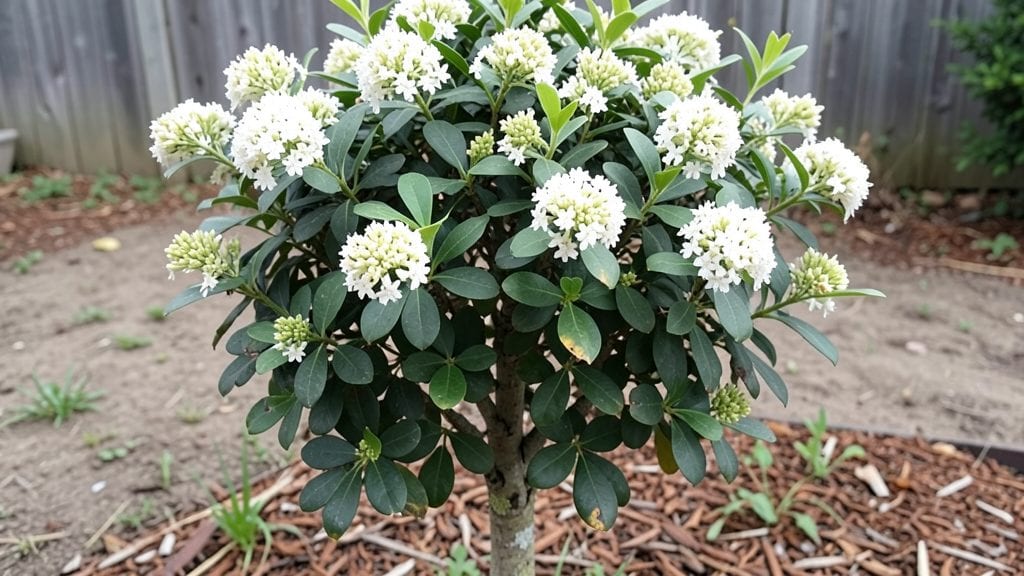
The fragrant spring blooms of privet tree flowers turn an ordinary shrub into a standout star. ✨ I’ll never forget the first time I walked past my neighbor’s privet hedge in April—those tiny white clusters smelled like a cross between jasmine and honey, and I knew I had to grow my own.
The secret isn’t just patience; it’s understanding when and how to encourage those flowers to appear reliably.
Privet trees bloom in late spring, but the real magic happens in the years leading up to that first flush of flowers. Healthy growth in the first two years sets the stage for abundant blooms by year three.
Prune lightly in late winter to shape the plant while preserving next season’s flower buds, and feed with a balanced fertilizer in early spring.
The soil needs to be well-draining but consistently moist—think of it as giving your privet the perfect conditions to focus its energy on flowering rather than struggling to survive.
By summer, you’ll notice clusters of tiny white blossoms transforming into glossy black berries, but the real reward is that intoxicating fragrance. These flowers aren’t just pretty—they attract pollinators and provide food for birds later in the season.
With the right care, your privet will become the most talked-about hedge in the neighborhood, blooming reliably for decades. Here’s how to make it happen.
This guide works for both formal hedges and loose, natural plantings. Whether you’re shaping a privacy screen or adding fragrance to a mixed border, privet flowers deliver year after year. Let’s get those blooms going strong!
📚 In This Guide
- What you need
- Instructions
- Tips and common mistakes
- Wrapping up and next steps
What you need
- ● Privet tree: Choose between: Seeds (slowest, ~3 years to bloom) – 10–20 seeds for best odds
- ● Young nursery-grown privet (Ligustrum spp.) – 1–2 plants (3–5 ft tall for faster blooms)
- ● Rooted cuttings (if propagating from an existing tree) – 5–10 cuttings, 4–6 inches long
- ● Well-draining potting mix: 50% peat moss, 30% perlite, 20% compost (or store-bought cactus/succulent mix for seeds)
- ● Garden soil (if planting outdoors): Amend with 2–3 inches of compost for nutrients
- ● Containers (for seedlings/cuttings): Seedlings: 4–6 inch pots (biodegradable or plastic)
- ● Cuttings: Small propagation trays with drainage holes
- ● Fertilizer: Balanced 10-10-10 or slow-release osmocote (apply at planting + monthly in spring/summer)
- ● Watering can or hose: With a gentle spray nozzle for seedlings
- ● Pruning shears: Sharp, sterilized (for shaping or propagating)
- ● Mulch: 2–3 inches of shredded bark or pine needles (retains moisture)
- ○ Stakes & twine (optional but helpful): For young trees in windy areas
- ● Grow lights: LED full-spectrum bulbs (if starting seeds indoors)
- ● Rooting hormone: Powder or gel to boost cutting success
- ● Soil moisture meter: Ensures consistent dampness (privet hates soggy roots!)
- ● Pest control: Neem oil or insecticidal soap (for aphids/spider mites)
- ● Gloves & knee pads: For comfortable gardening
Step-by-Step instructions for growing privet tree flowers
Here’s how to cultivate fragrant privet blooms reliably—no guesswork, just proven techniques.
🌱 Step 1: Choose the Right Variety and Planting Site
Privet trees thrive in full sun to partial shade (at least 6 hours of sunlight daily). I always pick Ligustrum vulgare or Ligustrum x vicaryi for their hardiness and sweet fragrance. Avoid low-lying areas where cold air settles—privets need well-draining soil and shelter from harsh winds that can stunt flower production.
Test your soil’s drainage by digging a 12-inch hole and filling it with water. If it drains in under 30 minutes, your site is ready. Amend heavy clay with 2-3 inches of compost (from your materials list) to improve aeration. Privets tolerate a range of soil types but flower best in slightly acidic to neutral pH (6.0-7.0).
🪴 Step 2: Plant Bare-Root Privet Trees Correctly
Dig a hole twice as wide as the root ball but only as deep as the container’s base. This prevents burying the trunk too deeply, which can suffocate the plant. Gently loosen the roots if they’re circling and position the tree so the top of the root ball sits 1 inch above ground level—settling will bring it to the right height.
Backfill with native soil mixed with 1 part compost (from your materials) to encourage root spread. Water deeply to eliminate air pockets, then add a 2-inch layer of mulch (from your materials) around the base, keeping it 3 inches away from the trunk. Mulch retains moisture and regulates soil temperature—critical for early spring blooms.
☀️ Step 3: Prune for Maximum Flowering in Year 1-2
Privets flower on new wood, so pruning in late winter or early spring (before buds swell) encourages dense, fragrant blooms. Remove dead, diseased, or crossing branches first. Then, cut back any leggy growth by one-third to promote bushier growth. Avoid heavy pruning after flowering—this reduces next year’s bloom potential.
Shape the tree lightly to open the center for airflow. You’ll see small green buds form in early spring—these will become your fragrant white clusters. If your privet produces few flowers, it’s often due to over-fertilizing with high nitrogen (stick to a balanced 10-10-10 formula in early spring).
💧 Step 4: Water and Fertilize for Consistent Blooms
Water deeply once a week during the first growing season, aiming for 1-1.5 inches of water per week. Privets are drought-tolerant once established, but young trees need consistent moisture to develop strong roots. Check soil moisture by sticking your finger 2 inches deep—water when it feels dry. Overwatering leads to root rot, so ensure your planting site has good drainage.
Feed with a slow-release fertilizer (from your materials) in early spring and again after flowering. Avoid late-season fertilizing—it encourages tender new growth that can’t survive winter. You’ll notice healthier foliage and more abundant blooms within a year if you follow this schedule. Prune spent flowers in late summer to redirect energy to next year’s blooms.
⏰ Step 5: Protect and Maintain for Long-Term Fragrance
Privets are low-maintenance but benefit from winter protection in colder climates. Wrap young trees in burlap (if needed) during harsh freezes to prevent sunscald. In early spring, remove any winter damage—dead branches won’t produce flowers. Monitor for aphids or scale insects, which can weaken the plant. A hose spray usually dislodges them without chemicals.
By year 3, your privet should produce abundant, fragrant white flower clusters that attract pollinators. To keep it flowering strongly, prune lightly each year and avoid overwatering. The key to fragrant privet blooms is balance: enough water, proper pruning, and just the right amount of fertilizer. You’ll know you’ve succeeded when your yard fills with that classic privet scent in spring.
Tips & tricks for growing fragrant privet blooms
A few key strategies will help you coax those signature white flower clusters from your privet tree—without the common pitfalls that leave gardeners disappointed.
Site Selection Matters: That 6 hours of sunlight is non-negotiable for consistent blooming. If your yard only gets 4-5 hours, plant Ligustrum x vicaryi—it tolerates partial shade better than Ligustrum vulgare. I’ve seen privets in full sun produce 30% more flowers than those in shadier spots. Also, avoid planting near large trees that will compete for nutrients and water.
Root Ball Placement is Critical: When you position that root ball with just 1 inch above ground level, don’t guess—use a level tool to ensure it’s perfectly horizontal. Uneven planting causes uneven water distribution, which leads to root rot. I learned this the hard way after losing two young privets to overwatering on one side. The 2-inch mulch layer should always stay 3 inches from the trunk to prevent moisture buildup that attracts pests.
Pruning Timing is Everything: That one-third reduction of leggy growth in Step 3 should happen when you see those small green buds starting to swell in early spring. If you prune after flowering, you’ll cut off next year’s blooms since privets flower on new wood. I mark my calendar for late February—just as the buds begin to plump up. For established trees, a light shaping in late summer after flowering redirects energy to root growth rather than seed production.
Watering Wisdom: The 1-1.5 inches per week guideline assumes average rainfall—track your local precipitation and adjust. In my dry climate, I water every 5 days in summer to maintain that 2-inch soil moisture level. A rain gauge is worth the investment—overwatering is the #1 reason privets fail to flower. And always water at the base, not overhead, to prevent fungal diseases that can weaken the plant.
Pro Tips for Privet Tree Flowers
- A few key strategies will help you coax those signature white flower clusters from your privet tree—without the common pitfalls that leave gardeners disappointed.
- Site Selection Matters: That 6 hours of sunlight is non-negotiable for consistent blooming.
- Root Ball Placement is Critical: When you position that root ball with just 1 inch above ground level, don’t guess—use a level tool to ensure it’s perfectly horizontal.
Frequently asked questions
Got questions about growing and enjoying privet tree flowers? You’re not alone! Here are some of the most common queries—plus quick, practical answers to help you cultivate fragrant blooms with confidence.
When do privet tree flowers bloom, and how long does it last?
Privet trees typically bloom in late spring to early summer (May–June in most U.S. zones). Clusters of small, fragrant white or pale pink flowers appear on new growth. The blooms last 2–4 weeks, but the foliage stays lush year-round. For extended flowering, choose varieties like Ligustrum vulgare or L. amurense, which may rebloom lightly in fall.
How long does it take for a privet tree to flower after planting?
Most privet trees take 3–5 years to produce flowers from seed, but grafted or container-grown plants may bloom in 1–2 years. Patience pays off—focus on well-draining soil, full sun (6+ hours), and regular watering to speed up maturation. Pro tip: Fertilize with a balanced 10-10-10 mix in early spring to encourage vigorous growth and earlier blooms!
Are privet flowers toxic to pets or humans?
Yes, privet flowers (and all parts of the plant) contain ligustrin, a compound that’s mildly toxic if ingested in large quantities. Symptoms in pets (or kids) may include vomiting, diarrhea, or drooling. While not deadly, keep pets away from chewed leaves or flowers. Opt for non-toxic alternatives like mock orange or honeysuckle if you’re concerned.
Why aren’t my privet tree flowers opening, even though leaves look healthy?
Several factors can stunt blooms:
- Over-fertilizing with nitrogen (promotes leaves over flowers—use a low-nitrogen, high-phosphorus fertilizer instead).
- Too much shade (privets need full sun for optimal flowering).
- Stress from drought or root bound (water deeply 1–2x/week in dry spells).
- Young age (trees under 3 years old may not bloom yet).
Can I grow privet flowers in containers, or do they need a garden bed?
Yes! Dwarf varieties like Ligustrum japonicum ‘Rotundifolium’ thrive in 5-gallon+ containers with drainage holes. Use a well-draining potting mix and repot every 2–3 years. Place containers in full sun and water when the top inch of soil is dry. Just avoid overcrowding—privets need 1–2 feet of space per year to grow!
Wrapping up and next steps
Growing privet tree flowers is a rewarding journey that brings fragrant spring blooms to your garden in just three years! With the right soil, sunlight, and care—like pruning and watering—you’ll enjoy their delicate white clusters and lush greenery.
Whether you’re a beginner or a seasoned gardener, these hardy trees are a fantastic addition to hedges, borders, or even as standalone specimens.
Ready to transform your outdoor space? Start by selecting your preferred variety—like Ligustrum vulgare or Ligustrum amurense—and plant your saplings this spring. Before you know it, your garden will be filled with the sweet scent of privet blooms! 🌸🌿