
Container Gardens
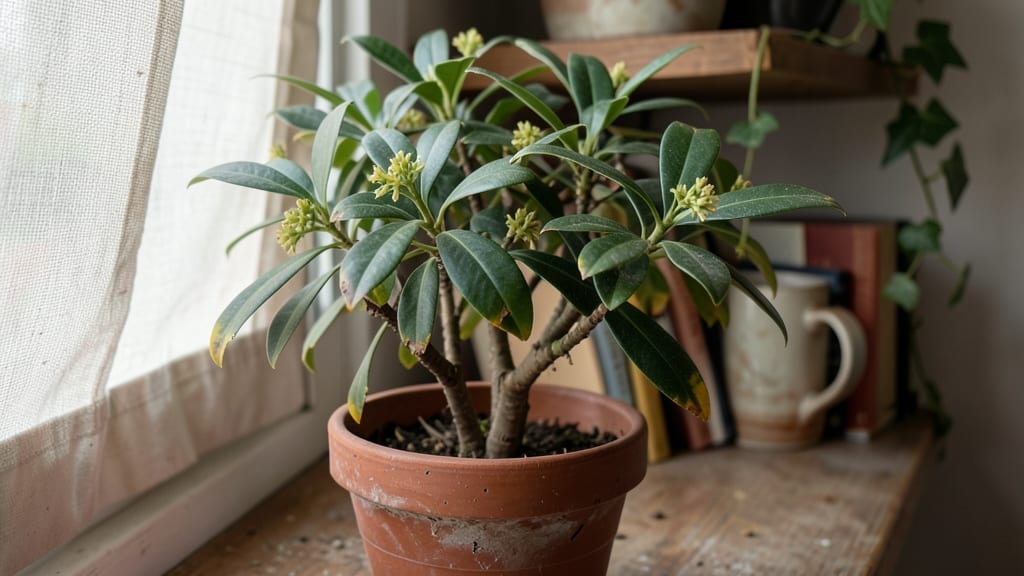
Growing a potted cinnamon tree means waking up to the warm, spicy scent of homegrown spice every morning. 🌿 I’ve nurtured mine for three years now, and the difference between store-bought sticks and fresh, sun-ripened bark is nothing short of transformative.
The key lies in mimicking its tropical roots—bright, indirect light, consistently moist (but never soggy) soil, and a humidity level that keeps those delicate leaves from crisping at the edges.
Start with a well-draining potting mix blended with perlite or orchid bark to prevent root rot, and choose a container with drainage holes—terracotta works beautifully.
Your cinnamon tree will need 6-8 hours of sunlight daily, but direct midday rays can scorch its tender foliage, so a east- or west-facing window is ideal.
Water when the top inch of soil feels dry, and keep the air around it humid with a pebble tray or occasional misting, especially in winter when indoor heating dries the air.
Pruning encourages bushier growth and thicker bark for harvesting, but timing matters—wait until spring or early summer when the tree is actively growing. Simply trim back leggy stems just above a leaf node, and you’ll soon see new branches filling in.
With patience, your potted cinnamon can yield harvestable bark within 3-5 years, though the first few years focus on establishing a strong, healthy structure rather than spice production.
Common challenges like spider mites or yellowing leaves usually stem from environmental stress—adjust your care routine accordingly. Repot every 2-3 years to refresh the soil and accommodate root growth, and resist the urge to overwater.
A thriving potted cinnamon tree rewards you with fragrant leaves, occasional white flowers, and—eventually—the sweet, earthy aroma of homegrown cinnamon sticks, all while adding a touch of tropical elegance to your space.
📚 In This Guide
- What you need
- Instructions
- Tips and common mistakes
- Wrapping up and next steps
What you need
- ● Cinnamon Tree Cuttings or Seedlings: 1–2 healthy Cinnamomum verum (true cinnamon) cuttings (4–6 inches long) OR
- ● 1–2 young potted seedlings (3–6 months old, from a nursery or trusted supplier).
- ● Well-Draining Potting Mix: 50% high-quality cactus/succulent mix (for aeration)
- ● 30% perlite or pumice (to prevent root rot)
- ● 20% compost or worm castings (for nutrients)
- ● Container: 1–2 ceramic or fabric pots (12–18 inches in diameter) with drainage holes.
- ○ Rooting Hormone (Optional but Recommended): 1 small bottle (e.g., Rootone or Clonex).
- ● Spray Bottle: 8–16 oz for misting cuttings.
- ● Clear Plastic Bag or Humidity Dome: 1 (to retain moisture for rooting).
- ● Watering Can with Narrow Spout: 1 (for gentle watering).
- ● Pruning Shears: 1 pair (sterilized with rubbing alcohol).
- ○ Grow Lights (Optional): 1 LED grow light (12–16 hours/day for indoor setups).
- ● Fertilizer: 1 balanced liquid fertilizer (e.g., Dyna-Gro) OR slow-release granules.
- ○ Mulch (Optional): 1 bag of orchid bark or coconut coir (for moisture retention).
- ○ Thermometer/Hygrometer (Optional): 1 (to monitor ideal temps: 65–85°F and humidity: 60–70%).
Step-by-Step guide to growing a potted cinnamon tree
Here's how to cultivate a fragrant, productive cinnamon tree indoors—no greenhouse required.
🌱 Step 1: Select and Prepare Your Potting Materials
Choose a 12-15 inch diameter pot with drainage holes to accommodate the cinnamon tree's deep root system. I recommend terracotta—it breathes and prevents root rot, which is critical for tropical plants like cinnamon. Fill the bottom 2 inches with orchid bark mix to improve drainage and mimic the tree's native forest floor conditions.
Next, add 3 gallons of well-draining potting mix designed for citrus or tropical plants. Avoid garden soil—it compacts and suffocates roots. Mix in 1 cup of perlite to create air pockets, then moisten the blend until it feels like a damp sponge. The goal is moisture retention without waterlogging.
☀️ Step 2: Position for Optimal Light and Temperature
Cinnamon trees thrive in bright, indirect light—think east or west-facing windows where they get 6-8 hours of filtered sunshine daily. Direct midday sun scorches the leaves, so I place mine 3-4 feet from the window and rotate the pot quarter-turn weekly to prevent lopsided growth.
Maintain 65-75°F during the day and never below 60°F at night. If your home runs cooler, a small space heater near the pot (not too close!) helps. Watch for yellowing leaves—a classic sign of cold stress. This tree loves humidity too, so mist the foliage daily or place the pot on a tray of pebbles with water to create a microclimate.
💧 Step 3: Water and Fertilize for Healthy Growth
Water when the top 2 inches of soil feel dry—stick your finger in to check. Overwatering is the fastest way to kill a cinnamon tree, so I use the "soak-and-dry" method: pour 1 gallon of water until it drains freely from the bottom, then wait until the surface dries before watering again. Always empty the saucer 30 minutes after watering to prevent root rot.
Feed every 4-6 weeks during spring and summer with ½ strength citrus fertilizer (the exact 1 cup you have on hand). In fall and winter, cut back to once every 8 weeks—the tree enters a slower growth phase. You'll know it's happy when new dark green leaves emerge and the stems stay firm, not mushy.
✂️ Step 4: Prune and Harvest for Year-Round Spice
Prune in late winter or early spring before new growth begins. Use sterilized pruning shears to trim back 1/3 of the previous year's growth to encourage bushier shape. Remove any yellow or diseased leaves immediately—they spread faster than you'd think. Save the trimmings: dry the bark strips in a low oven (200°F) for 2 hours, then grind for cinnamon spice.
Harvest cinnamon sticks from 2-3 year old stems when they're ¼ inch thick. Peel the outer bark carefully—this is your spice. The inner bark should curl naturally when dry. Store harvested sticks in an airtight container away from light. With proper care, your potted cinnamon tree can produce harvests year-round, though yields peak in spring and summer.
🪴 Step 5: Repot and Maintain Long-Term Health
Repot every 2-3 years in spring when roots circle the pot. Choose a container 2-3 inches larger in diameter and refresh the orchid bark mix and perlite layer. The cinnamon tree's roots are sensitive—disturb them as little as possible during transplant. Water lightly after repotting and place in bright, indirect light for 2 weeks to reduce shock.
Watch for pests like spider mites (tiny webs on leaves) or scale insects (brown bumps on stems). Treat immediately with neem oil spray—mix 1 tablespoon neem oil with 1 quart water and 1 teaspoon mild soap. Spray until leaves glisten, then repeat weekly until pests vanish. A healthy cinnamon tree rarely gets sick, but these preventative steps keep it thriving for decades.
Tips & tricks for perfect potted cinnamon tree cultivation
Mastering these subtle details transforms your cinnamon tree from a struggling houseplant to a thriving spice producer.
Light Management: The 6-8 hours of bright, indirect light in Step 2 is non-negotiable, but here's the trick: if you notice leaves stretching toward the window (a sign of light deprivation), supplement with a grow light 12 inches above the tree for 4-6 hours daily. I use LED grow lights on a timer—just don't let them touch the leaves, or you'll scorch that delicate foliage.
Root Health Strategy: In Step 1, that 2-inch layer of orchid bark mix isn't just for show—it's your first line of defense against root rot. I like to add ½ cup of activated charcoal to the mix (optional but brilliant) to prevent bacterial buildup in the drainage layer. This is especially important if you're using tap water, which often contains chlorine that can stress tropical plants.
Harvesting Insight: When harvesting those ¼-inch thick cinnamon sticks in Step 4, look for stems that have developed a slight reddish-brown hue—this indicates maturity. I harvest in late morning after the tree's natural dew has evaporated, which makes the bark easier to peel without tearing. The drying process at 200°F for 2 hours is critical: if you rush it, the bark won't curl properly, and if you overdo it, you'll lose precious essential oils.
Pest Prevention: The neem oil spray in Step 5 works wonders, but here's my extra precaution: I dust the soil surface with food-grade diatomaceous earth every 3 months (just sprinkle lightly). This creates a barrier that deters spider mites before they become a problem. The key is to apply it when the plant is dry—never after watering, or it loses effectiveness.
Pro Tips for Potted Cinnamon Tree
- Mastering these subtle details transforms your cinnamon tree from a struggling houseplant to a thriving spice producer.
- I use LED grow lights on a timer—just don't let them touch the leaves, or you'll scorch that delicate foliage.
- Root Health Strategy: In Step 1, that 2-inch layer of orchid bark mix isn't just for show—it's your first line of defense against root rot.
Frequently asked questions
Got questions about growing your own potted cinnamon tree? You’re not alone! Here are answers to the most common queries to help you cultivate a thriving, fragrant spice plant with ease.
How long does it take for a potted cinnamon tree to produce cinnamon sticks or leaves?
A young potted cinnamon tree (Cinnamomum verum) typically takes 3–5 years to mature enough for harvest. Leaves can be used for tea or seasoning sooner (around 1–2 years), but full cinnamon bark requires patience—think of it as a long-term investment in homegrown spice!
Can a potted cinnamon tree survive winter indoors? What’s the ideal temperature?
Yes! These tropical trees thrive indoors year-round. Keep your potted cinnamon tree in a spot with 65–85°F temperatures and avoid drafts (like near AC vents or windows in freezing climates). If you live in a cold zone, move it indoors before temperatures drop below 50°F—they’re sensitive to frost.
Why are my cinnamon tree’s leaves turning yellow or dropping? How do I fix it?
Yellowing or dropping leaves usually signal overwatering or underwatering. Let the top 1–2 inches of soil dry out between waterings, and ensure the pot has drainage holes. Brown edges? Too much sun—move it to bright, indirect light. Yellow veins? Check for fungus (like root rot) and repot with fresh, well-draining soil.
Is it possible to grow a cinnamon tree from a store-bought cinnamon stick?
While it’s technically possible, it’s tricky! Store-bought sticks are often treated or dried, making germination difficult. For better success, try rooting a cutting from a healthy potted cinnamon tree (6–8 inches long, with nodes). Dip in rooting hormone, plant in moist perlite, and keep humid—patience is key!
What’s the best pot size and soil mix for a potted cinnamon tree?
Start with a 10–12 inch pot for young trees, upgrading as it grows. Use a well-draining mix like:
- 60% potting soil
- 30% perlite or coarse sand
- 10% compost or worm castings
Wrapping up and next steps
Growing your own potted cinnamon tree is a rewarding journey that brings fragrant spice and lush greenery right to your doorstep! 🌿 With patience and the right care—like bright light, well-draining soil, and occasional pruning—you’ll enjoy year-round harvests of cinnamon sticks and leaves.
Whether you’re a seasoned gardener or a beginner, this fragrant tree adds beauty and practicality to any space.
Ready to take the next step? Start with a healthy cutting or seedling and give it the love it deserves. Soon, you’ll be savoring the sweet, woody aroma of homegrown cinnamon in your kitchen—and maybe even sharing your success with neighbors! 🌱✨