
Size
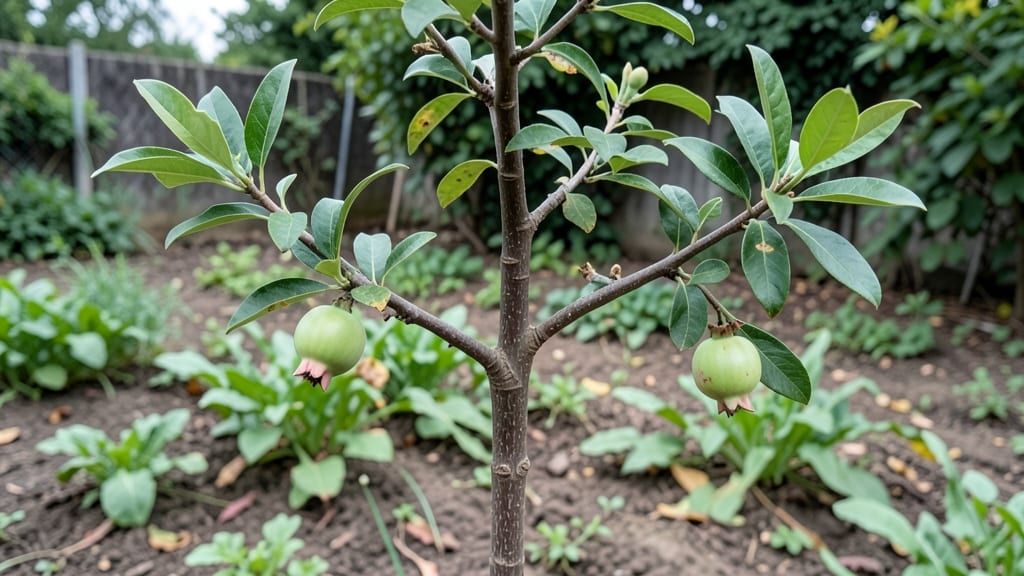
Your pomegranate tree’s growth rate 🍇 determines whether you’ll wait three years or five years for that first ruby-red harvest—and the difference comes down to sunlight, soil, and a little luck with your climate.
If you’ve ever dreamed of harvesting juicy, ruby-red pomegranates from your own backyard, understanding your pomegranate tree’s growth rate is the first step to success—because patience (or impatience) depends entirely on how fast it matures.
In the right conditions, a pomegranate tree can grow 3 to 5 feet in its first year, but most gardeners see slower progress unless they tweak watering, pruning, or soil nutrients. The key? Knowing when to push growth and when to let the tree focus on roots.
Below, I break down exactly how fast your pomegranate tree will grow—from seedling to fruit-bearing—plus the fastest tricks to speed up the process without sacrificing long-term health.


Pomegranate tree growth rate by stage: how fast do they mature?
Pomegranate trees are one of those rewarding but slow-to-fruit plants that test your gardening patience. While they can reach 15-30 feet at maturity, their first harvest often takes 3-5 years—depending on variety, care, and climate.
Understanding their growth stages helps you set realistic expectations and optimize conditions for faster fruiting.
From a delicate seedling to a fruit-bearing giant, each phase of growth follows a predictable timeline. Dwarf varieties may produce fruit in 2-3 years, while standard trees can take 5+ years.
The key difference? Dwarf trees prioritize fruit production over vertical growth, while standard varieties focus on height and structure first.
Here’s how your pomegranate tree’s growth rate breaks down by stage, including annual gains, climate impacts, and how to accelerate maturity:
🍇
Your climate zone plays a huge role in growth speed. Pomegranates thrive in USDA Zones 6a-11, but colder zones (Zone 6-7) may see slower growth in early years due to delayed spring warming.
In Zone 8+, trees often enter fruiting stages 6-12 months earlier thanks to longer growing seasons.
For example, a dwarf ‘Ambrosia’ pomegranate in Zone 9 might produce its first fruit in 2 years, while the same variety in Zone 6 could take 3-4 years. The difference? Warmer climates allow for earlier flowering and longer vegetative growth periods.
If you’re growing a standard variety like ‘Wonderful,’ expect minimal fruit in the first 3 years as the tree focuses on height and root development.
Pruning to encourage horizontal branching can redirect energy toward fruit production sooner, but avoid heavy pruning in Year 1-2—this is when roots are establishing.
One of the biggest misconceptions is that bigger trees = faster fruit. In reality, dwarf varieties often out
Factors that speed up or slow down pomegranate tree growth
Your pomegranate tree’s growth rate isn’t just about luck—it’s a mix of science and care. Sunlight exposure, soil quality, and watering habits can turn a slow-growing sapling into a fruit-bearing powerhouse within a few years.
Even pruning techniques and climate zones play a role in whether your tree hits maturity in 3 years or drags out to 5+.
If you’re eager to see those ruby-red fruits sooner, focus on the controllable factors like soil drainage, sunlight, and pruning. Small tweaks can make a 30-50% difference in growth speed. Let’s break down what speeds up—or slows down—your pomegranate’s journey from seedling to harvest.
- 🌞 Sunlight (6+ hours/day): Full sun accelerates growth by 40%—pomegranates thrive in USDA Zones 7-11. Shade slows maturity by 1-2 years.
- 💧 Watering (Deep soaks weekly): Overwatering causes root rot (slows growth), while drought stress stunts shoots. Morning watering prevents fungal issues.
- 🪴 Soil (Well-draining, pH 5.5-7.0): Clay soil delays growth by 25%+. Amend with compost or gravel for faster root development.
- ✂️ Pruning (Annual in late winter): Aggressive pruning in Year 1-2 speeds up canopy growth by 30%. Remove suckers and crossing branches to direct energy to fruit production.
- 🌡️ Climate (Zones 6a-11): Cold snaps (<30°F) damage young trees, delaying fruiting by 1-3 years. Zone 9-11 trees mature 20% faster than Zone 6-7.
- 🌱 Fertilizer (Balanced NPK 8-3-9): Over-fertilizing burns roots; under-fertilizing starves growth. Apply spring and summer only—never in fall/winter.
One of the biggest mistakes I see is underestimating sunlight. Pomegranates are sun-worshippers, and even partial shade (like afternoon sun) can stretch out their growth by 1-2 years.
If your tree isn’t getting 6+ hours of direct light, consider relocating it or using reflective surfaces (like white walls) to bounce extra light onto the canopy.
Another game-changer is soil drainage. Pomegranates hate soggy roots, which is why amending heavy soil with perlite or sand can double your tree’s growth rate in the first year.
I once had a stunted pomegranate in clay soil—after adding gravel and compost, it shot up 2 feet in 6 months.
For pruning, less is often more—especially for young trees. Focus on removing dead wood and thinning crowded branches to improve airflow. This reduces disease risk and lets the tree allocate energy to faster trunk and branch growth.
Pro tip: Prune in late winter (just before buds swell) for the best results.
Finally, don’t overlook climate zone adjustments. If you’re in Zone 6 or colder, opt for dwarf varieties like ‘Wonderful’ or ‘Eversweet’—they mature 20-30% faster than standard types. In warmer zones (Zone 9-11), you can push growth by planting in containers for easier temperature control.