
Blooming
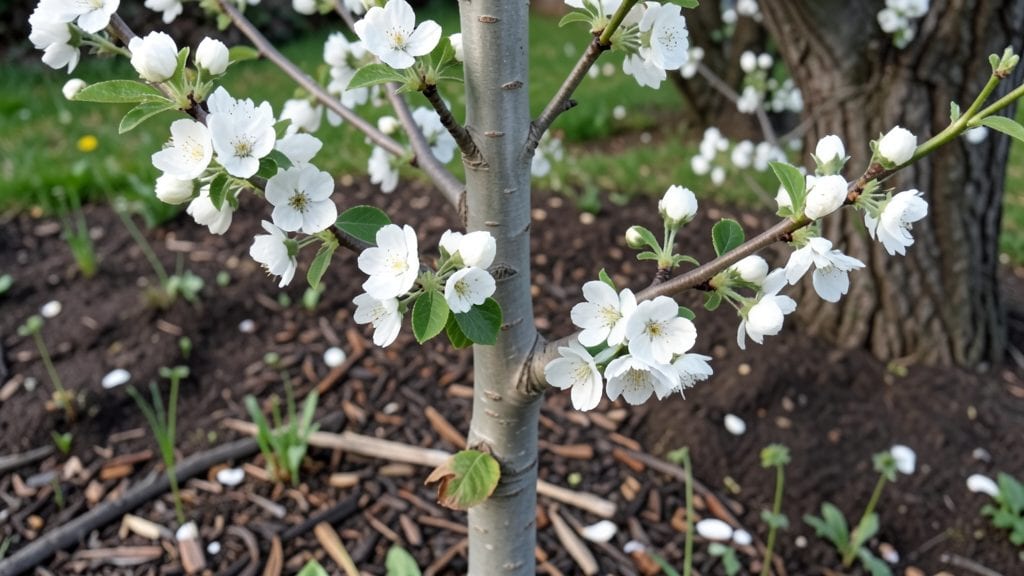
Peach trees bloom in late spring, typically between March and May, when your region’s last frost has passed—though exact timing depends on your USDA zone and variety.
Wondering when your 🍑 will burst into delicate blossoms—or if those late frosts will ruin your harvest? Understanding your region’s bloom time is the key to timing everything from frost protection to pollination support.
In Zone 6a, like many gardeners, blooms usually appear around April 15, but early bloomers can start as early as March, while late varieties may wait until May.
This window is critical because peach blossoms are frost-sensitive, and a surprise freeze can wipe out your entire crop before it even sets fruit.
Below, I’ll break down how to predict your tree’s bloom time, spot the first signs of buds, and protect your blossoms so you’re left with a full harvest come July or August.
Peach tree bloom time by USDA climate zones: when to expect flowers
Timing your peach tree’s bloom window is crucial—it determines whether you’ll enjoy juicy peaches or face frost damage. Most peach varieties bloom in early spring, but exact timing varies by USDA zone and regional microclimates.
In Zone 5, for example, blooms appear as early as late April, while Zone 9 trees may flower in February. Understanding these differences helps you prepare for frost protection and pollination support.
Peach trees are early bloomers, often flowering before leaves fully emerge. This makes them vulnerable to late spring frosts, which can devastate blossoms and reduce fruit set.
Regional variations also play a role—Southern California peach trees bloom weeks earlier than those in the Midwest due to milder winters. Knowing your zone’s typical bloom period lets you time frost protection and even choose late-blooming varieties for safer harvests.
Here’s how bloom times shift across USDA Zones 5-9, including frost risk windows and regional quirks:
<summary-table>| USDA Zone | Typical Bloom Window | Frost Risk Period | Regional Notes | Recommended Varieties |
|---|---|---|---|---|
| Zone 5 | Late April–Early May | Mid-April to early May | Cold winters delay blooming; late frosts are common. | Redhaven, Elberta (late-blooming) |
| Zone 6 | Early–Mid April | Late March to early April | Midwest growers face high frost risk; plant near windbreaks. | Suncrest, Contender |
| Zone 7 | Mid–Late March | Early March to mid-April | Southern Appalachia blooms 2 weeks earlier than Midwest. | Relenta, June Gold |
| Zone 8 | Late February–Early March | Late January to early March | Gulf Coast areas bloom earlier due to warmer winters. | Tropigold, Flordagold |
| Zone 9 | January–February | December to early February | Southern California blooms earliest but may face heat stress. | Redtop, Fantasia |
In Zone 5, peach trees typically bloom in late April, but late frosts can strike as late as May 10. If you’re in the Upper Midwest, consider late-blooming varieties like Redhaven to avoid frost damage.
These trees wait until early May to flower, giving frost a narrower window to strike.
Gardeners in Zone 7 often see blooms in mid-March, but timing shifts dramatically by region. For example, Southern Appalachia trees may bloom 2 weeks earlier than those in Tennessee’s Cumberland Plateau due to elevation differences.
Always check your local frost dates—even within the same zone, microclimates can alter bloom safety.
If you’re in Zone 9, like Southern California, your peach tree might bloom as early as January. While this avoids late frosts, it exposes blossoms to heat stress if temperatures spike above 85°F during bloom.
In these areas, drip irrigation and shade cloth can protect delicate flowers from sunburn.
Regional quirks extend beyond zones. For instance, Pacific Northwest growers in Zone 8 often plant low-chill varieties like Tropigold to match their mild winters. Meanwhile, Deep South gardeners in Zone 9 may struggle with humidity-related diseases during bloom, requiring fungicide sprays for prevention.
To predict your tree’s bloom time, monitor bud swell in late winter. Healthy buds will plump up and turn pinkish before opening. If your area has a history of late frosts, consider installing frost cloth or setting up a smoke generator to lower temperatures gradually.
Even a 5°F drop can damage blossoms, so preparation is key.
Remember, pollinators like bees are essential during bloom. If your area has low bee activity, hand-pollinate flowers with a small brush to ensure fruit set. This is especially critical for self-pollinating varieties, which still benefit from cross-pollination for better yields.
How to adjust your planting schedule for optimal bloom timing
Timing your peach tree planting correctly ensures those stunning pink blossoms appear when they should—before late frosts strike. The key is matching your variety selection to your USDA zone and adjusting with simple techniques like row covers or microclimate protection.
Even a few weeks' difference can mean the difference between a bountiful harvest and lost blooms.
Start by choosing early-blooming varieties if you live in Zone 5 or colder, where frosts linger into May. Late-blooming types suit warmer zones (7-9), where frost risks are minimal.
My Elberta peach, for example, blooms mid-April in Zone 6a, while Redhaven waits until late April—critical timing for avoiding frost damage.
- 🌱 Plant early-blooming varieties (e.g., Redtop) in Zones 5-6 to avoid late frosts. These bloom 2-3 weeks earlier than standard types.
- 🌡️ Use row covers or frost cloth over blooms if temps drop below 28°F. Remove during pollination hours (9 AM–3 PM).
- ⏰ Plant 4-6 weeks before last frost—young trees need time to establish roots before blooming. Bare-root trees planted in late winter bloom earlier.
- 🪴 Avoid late planting in cold climates. Trees planted after May 1 in Zone 5 may not bloom until the following year.
- ☀️ Extend the season with black plastic mulch in early spring—it warms soil by 5-10°F, encouraging earlier blooms.
One common mistake I see is planting standard varieties in high-risk frost zones without protection. Even a 30-minute frost can destroy 90% of blooms. Instead, opt for late-blooming types like Suncrest, which waits until mid-May in Zone 6—after the last frost date.
Pair this with drip irrigation to keep roots hydrated during dry springs, which delays blooming slightly.
For container-grown peach trees, timing shifts entirely. Since pots dry out faster, roots struggle to establish in cold soil. I plant mine in late spring (after May 15) in Zone 7 and use heat mats to warm roots.
This delays blooming until June, avoiding frost entirely. Just be ready to hand-pollinate if bees are scarce!
Protecting your blooms isn’t just about timing—it’s about microclimates. A south-facing slope warms 2-5°F faster than a north side, letting you plant 2 weeks earlier.
My Redhaven tree on the slope blooms by April 15, while the same variety on the north side waits until May 1. Use these natural advantages to your advantage!
Finally, prune strategically in late winter to reduce bloom load. Heavy blooms stress young trees, delaying fruit set. I prune 1/3 of last year’s growth to balance blossoms and fruit. This small adjustment ensures stronger blooms and better harvest timing—no wasted energy on too many flowers.