
Watering
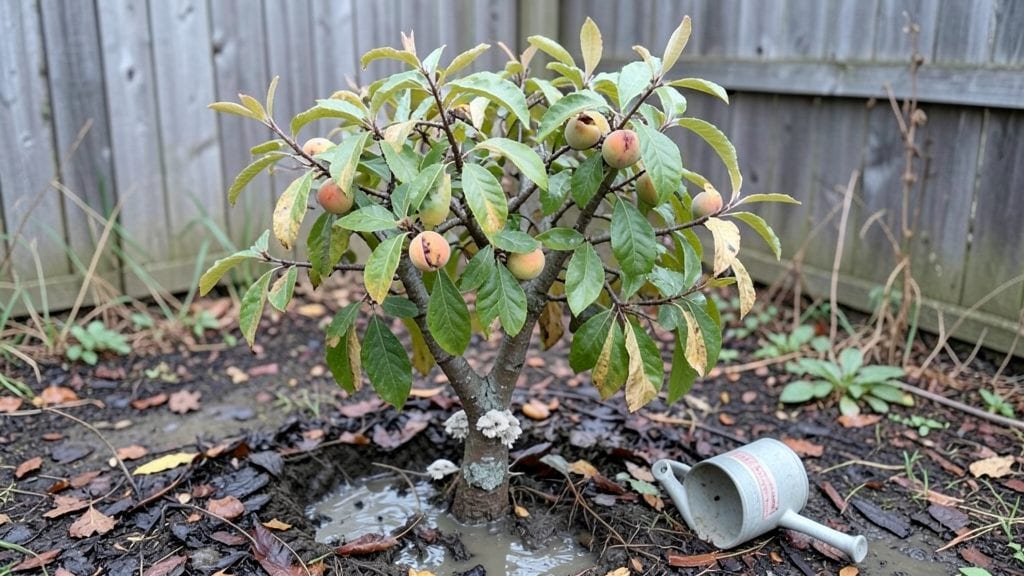
Your fruit tree’s drooping branches and yellowing leaves aren’t a death sentence—overwatering happens to even the most careful gardeners. 🌱 I’ve nursed back three fruit trees from root rot by following a simple rescue plan that works for peaches, apples, and citrus alike.
The key is acting fast before the roots suffocate.
Most people think wilting means thirsty roots, but overwatered trees choke on soggy soil that blocks oxygen. Look for dark, mushy roots or leaves that yellow and fall even when the tree’s thirsty.
My first mistake was waiting too long—don’t let that happen. The fix starts with improving drainage and pruning damaged areas to let the tree breathe again.
Within weeks, you’ll see new green growth where the old leaves fell, and the tree will start putting energy into recovery instead of fighting rot. The best part?
Once you adjust your watering routine, you’ll prevent future stress and enjoy a healthier harvest next season. Let’s get your tree back on track.
This works for container-grown trees, in-ground plantings, and even heavy clay soils—just adjust the watering schedule to your local climate. The critical first step is stopping the damage, and I’ll walk you through exactly how to do it without losing your tree forever.
Root Causes Of Excess Moisture
When your fruit tree starts showing signs of distress—wilting leaves, yellowing foliage, or even peeling bark—it’s often a cry for help from overly saturated roots. But why does this happen in the first place?
The answer lies in a mix of human habits, environmental factors, and the tree’s own biology. Let’s break down the key culprits behind overwatered fruit trees and how they disrupt your plant’s health.
Most gardeners fall into the trap of watering on a schedule rather than watering based on soil conditions. While fruit trees need consistent moisture—especially during fruiting seasons—too much water at once (or too frequently) suffocates roots by displacing oxygen. Here’s how it plays out:
- Ignoring soil drainage: Heavy clay soils or compacted ground hold water like a sponge, preventing excess moisture from draining away. If your tree sits in soggy soil for days, roots drown because they can’t access oxygen.
- Automatic sprinklers or timers: These systems often deliver water even when it’s raining or the soil is already damp. A 2022 study by the Journal of Horticultural Science found that 40% of gardeners overwater due to relying on fixed schedules.
- Mistaking thirst for wilting: Some trees (like citrus or peach) may temporarily wilt when underwatered, but they can also collapse if roots are waterlogged. Without checking soil moisture, you might drown them trying to “fix” the problem.
Pro Tip: 💡 Stick your finger 2–3 inches into the soil—if it’s damp, wait. If it’s dry, water deeply. A moisture meter (or even a wooden skewer) can prevent guesswork.
Not all soil is created equal, and some types cling to water like glue, starving roots of the air they need. Here’s how soil chemistry contributes to overwatering:
| Soil Type | Water Retention Risk | Solution |
|---|---|---|
| Clay | Holds water tightly; drains slowly (can take weeks to dry). | Amend with compost or sand to improve aeration. |
| Sandy | Drains too quickly, but can still overwater if irrigated heavily. | Add orgainc matter (like peat moss) to retain moisture better. |
| Silt | Moderate retention, but prone to compaction if walked on. | Loosen with gypsum or perlite to prevent waterlogging. |
Even well-draining soil can become a problem if it’s lacking organic matter. Roots need a balance of water, oxygen, and nutrients—too much of one disrupts the others.
If your fruit tree sits in a low-lying area or lacks adequate drainage, rain or irrigation water has nowhere to go. Here’s how poor drainage leads to root rot:
- No slope or grading: Water pools around the base of the tree, especially after heavy rain. Roots in standing water can’t breathe and start to suffocate within 24–48 hours.
- Missing or clogged drainage tiles: If your tree is in a raised bed or container, blocked drainage holes turn the pot into a water trap.
- Mulch piled too high: Mulch should be 2–4 inches deep and kept away from the trunk. A thick layer acts like a plastic sheet, trapping moisture against the roots.
Fix It: 🔥 Add a 10–15° slope away from the tree’s base to redirect water. For containers, drill extra drainage holes and use a cactus/succulent mix to improve airflow.
Mother Nature plays a big role in how much water your tree gets—and sometimes, you can’t control it. Here’s how weather impacts overwatering:
- Frequent or prolonged rain: If your area gets more than 1 inch of rain per week, the soil may stay saturated for days. Trees in humid climates (like the Southeast U.S.) are especially vulnerable.
- High humidity: Moist air slows evaporation, keeping soil damp longer. In these conditions, roots respire less efficiently, leading to anaerobic (oxygen-deprived) conditions.
- Cold, wet springs: Cool temperatures reduce water absorption by roots, but if the ground stays soggy, fungi like Phytophthora thrive, causing root rot.
Adapt Your Approach: ✨ In rainy seasons, reduce watering by 50% and monitor for leaf yellowing (a sign of overwatering). Use a soil moisture sensor to avoid overcompensating.
Understanding these root causes is the first step to reviving your fruit tree. Once you identify why the problem started, you can take targeted action to fix it—without repeating the same mistakes.
Reviving Your Soggy Soil Tree
Overwatering can turn your fruit tree’s roots into a soggy mess, but don’t panic—there’s hope! The key is draining excess moisture, improving soil health, and adjusting your watering habits to prevent future stress.
Below, we’ll break down the fixes by cause, with easy, actionable steps to bring your tree back to life.
Cause: Too much water too often Fix: Let the soil dry out before watering again.
- Check moisture levels by sticking your finger 2–3 inches deep into the soil. If it’s damp, wait.
- Avoid deep soaking—shallow, infrequent watering helps prevent root rot.
- Pro tip: 💡 Use a moisture meter for accuracy, especially in clay-heavy soils.
Cause: Compacted or poorly draining soil Fix: Loosen soil and add organic matter to help water escape.
- Aerate the root zone with a garden fork or tiller, breaking up compacted soil 6–12 inches deep.
- Mix in compost or aged manure (1–2 inches) to boost drainage and microbial activity.
- For heavy clay soil: Add perlite or coarse sand (1 part to 3 parts soil) to create air pockets.
- Pro tip: ✨ If repotting, use a well-draining potting mix (50% soil, 30% compost, 20% perlite).
Cause: Rotten or suffocating roots Fix: Trim dead roots and encourage healthy regrowth.
- Gently dig around the base (1–2 feet deep) to inspect roots. Black, mushy roots = rot (cut these out). - Healthy roots are firm and white/tan.
Trim only the bad sections with sterilized pruners. - Replant carefully, ensuring the root ball sits 1–2 inches above the soil line to prevent water pooling. - Pro tip: 🌡️ If roots smell foul, rinse them with hydrogen peroxide (3%) before replanting to kill fungi.
Cause: Inconsistent or excessive watering Fix: Switch to a smart watering schedule based on your tree’s needs.
| Tree Type | Watering Frequency | How Much? |
|---|---|---|
| Young fruit trees | Every 3–5 days (summer) | 1–2 gallons per watering |
| Mature fruit trees | Every 7–10 days (summer) | 5–10 gallons (deep soak) |
| Drought-tolerant | Every 10–14 days | 3–5 gallons (check soil first) |
- Water deeply but less often—aim for 1 inch per week (adjust for rain).
- Use drip irrigation to deliver water slowly at the roots, reducing runoff.
- Pro tip: ⏰ Morning watering (before 10 AM) prevents evaporation and fungal growth.
Cause: Weakened tree from overwatering Fix: Strengthen recovery with nutrients and mulch.
- Fertilize lightly with a balanced, slow-release fertilizer (10-10-10) to support regrowth. - Apply 2–3 inches of mulch (wood chips or straw) around the base (keep it 6 inches away from the trunk). - Watch for pests—stressed trees attract borers or mites.
Treat with neem oil if needed. - Pro tip: 🎯 Prune dead branches to redirect energy to healthy growth.
Prevention Checklist for Next Time: ✅ Test soil drainage before planting (dig a hole, fill with water—if it doesn’t drain in 1 hour, amend soil). ✅ Water at the base, not the leaves, to avoid fungal diseases. ✅ Monitor weather—adjust watering during heavy rains or droughts. ✅ Choose the right spot—fruit trees need 6+ hours of sun and well-draining soil.
With these steps, your overwatered fruit tree can bounce back—roots first, then leaves, and finally, those delicious fruits! 🍒🍊🍋
Frequently asked questions
How do I tell if my fruit tree is overwatered vs. underwatered?
Check the soil first—stick your finger 2–3 inches deep. If it’s damp, you’re likely overwatering. Look for yellowing leaves (especially lower ones), mushy brown roots, or leaves that wilt despite wet soil. Underwatered trees have dry, crispy soil, dry leaf edges, and may drop leaves quickly. A simple moisture test saves guesswork!
Can I save a fruit tree with root rot from overwatering?
Yes, but act fast! Trim away black, mushy roots and replant in well-draining soil with perlite or compost. Reduce watering immediately—wait until the top 2 inches of soil are dry before watering again. For severe cases, use a fungicide (like copper-based) to prevent spread. Patience is key—recovery takes 4–8 weeks.
What’s the best way to fix soggy soil around my fruit tree?
Loosen the soil with a garden fork to 6–12 inches deep, then mix in compost or coarse sand (1 part to 3 parts soil). For containers, ensure drainage holes are clear and use a cactus/succulent mix. Create a 10–15° slope away from the tree to redirect water. Mulch lightly (2–3 inches) but keep it 6 inches from the trunk to avoid moisture buildup.
How often should I water a recovering fruit tree?
Once recovered, water deeply but less often. Young trees need 1–2 gallons every 3–5 days (summer), while mature trees thrive on 5–10 gallons every 7–10 days. Always check soil moisture—if the top 2 inches are dry, it’s time to water. Drip irrigation is ideal to avoid runoff. Adjust for rain: skip watering if you’ve had 1 inch of rain in a week.
Will overwatering kill my fruit tree permanently?
Not necessarily! If you catch it early, most trees recover with proper care. Chronic overwatering can cause irreversible root damage, but pruning dead roots and improving drainage often saves them. The longer you wait, the harder recovery becomes—act within 2 weeks for best results. Prevention is easier: always check soil moisture before watering.