
Diseases
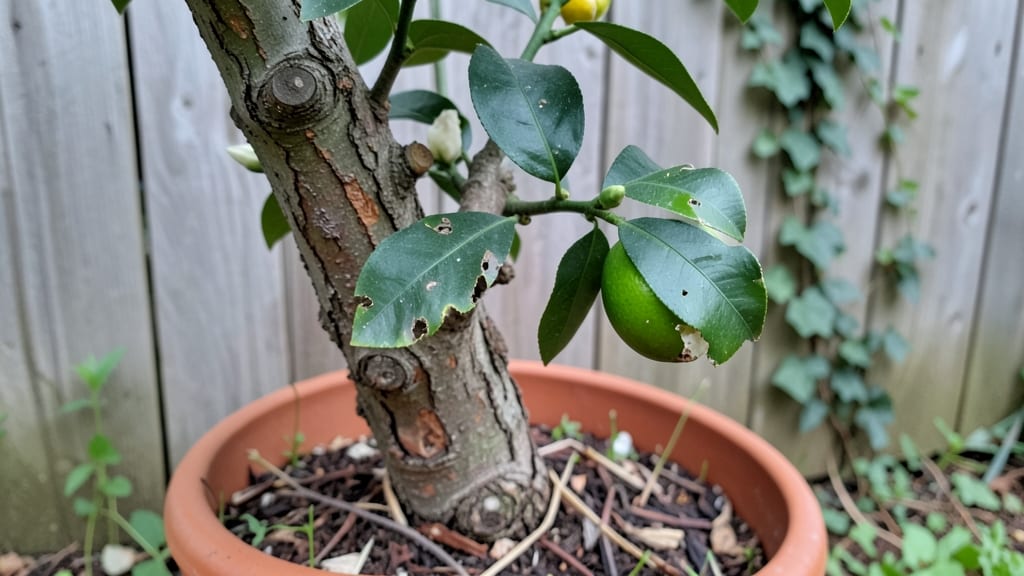
That orange rust on the tree bark isn’t just unsightly—it’s a fungal warning sign that could weaken your tree if ignored. 🌿 I’ve seen it turn healthy oaks and citrus into sad, weakened specimens, but the good news is... that early action with the right fungicide can restore that bark to its natural strength.
The key is acting fast before the spores spread to other trees in your yard.
This orange rust—often caused by Gymnosporangium or Puccinia fungi—latches onto trees through wounds or high humidity. I’ve noticed it worst after wet springs, when the spores just explode across bark like pollen. The damage isn’t just cosmetic; severe cases can stunt growth or even kill branches over time.
But here’s the thing: most trees fight back if you give them a fighting chance with proper care.
You’ll need copper fungicide or sulfur sprays (both organic options) applied at the right time—dormant season works best—to smother those spores before they take hold. Prune out infected branches immediately, and don’t let fallen spores linger near healthy trees.
Within weeks, you’ll see fresh, clean bark re-emerging as the fungus loses its grip.
Prevention is just as simple: keep your trees healthy with balanced watering, avoid over-pruning, and choose rust-resistant varieties if you’re planting new trees. The goal is to turn that orange nightmare into a memory—and keep your trees thriving for years to come.
Root Causes Of Fungal Bark Spots
When you spot that unsettling orange hue marring your tree’s bark, it’s often a sign of Gymnosporangium or Puccinia fungi—two notorious culprits behind what’s commonly called "orange rust."
These fungi don’t just appear out of nowhere; they thrive due to a mix of environmental factors, tree stress, and even human activity. Understanding why this happens is the first step to stopping it in its tracks.
Orange rust fungi are obligate parasites, meaning they can’t survive without a living host (like your tree). Their spores hitch rides on wind currents, traveling miles to infect new hosts. Once airborne, these microscopic spores land on bark, leaves, or even nearby plants, germinating when conditions are right:
- Moisture: Fungal spores need high humidity (70%+) or wet conditions to activate. Rain, dew, or overhead irrigation creates the perfect breeding ground.
- Temperature: Ideal germination occurs between 60–80°F (15–27°C). Cooler springs or warm summers with frequent rain spikes infection rates.
- Host Vulnerability: Mature trees with thin, damaged, or stressed bark are prime targets. Young, healthy bark resists spores better.
Pro Tip: 🌡️ Monitor local weather forecasts—if your area predicts 3+ days of rain or high humidity, it’s peak spore season. Prune wet foliage and avoid overhead watering to disrupt spore landing.
Healthy trees repel fungal invaders, but stress from poor care, pests, or environmental shocks leaves them defenseless. Common stress triggers include:
| Stress Factor | How It Helps Fungi |
|---|---|
| Drought or Overwatering | Weakens bark cells, making them easier for spores to penetrate. |
| Nutrient Deficiencies (e.g., low nitrogen or iron) | Slows cell repair, leaving wounds unprotected. |
| Physical Damage (e.g., pruning cuts, hail, or animal scratches) | Creates entry points for spores to colonize. |
| Pest Infestations (e.g., borers, aphids, or scale) | Pests physically damage bark and leave behind sticky honeydew, which fungal spores cling to. |
Pro Tip: ✨ Fertilize in early spring with a balanced NPK (10-10-10) formula to boost bark resilience. For drought-stressed trees, deep watering (1–2 inches per week) encourages root growth, which strengthens bark.
Fungi love stagnant, damp environments. Trees planted too closely together or shaded by dense foliage create microclimates where spores linger:
- Overcrowded Plantings: Leaves and branches block airflow, keeping humidity high near the bark.
- Thick Mulch Layers: Mulch >4 inches deep traps moisture against the trunk, mimicking a fungal spa.
- Urban Heat Islands: Pavement and buildings reflect heat, raising local temperatures—ideal for fungal growth.
Pro Tip: 💡 Prune to open the canopy by removing 10–20% of dense branches to improve airflow. Use organic mulch (3 inches max) and keep it 3–6 inches from the trunk to prevent moisture buildup.
Many orange rust fungi have a two-host life cycle, meaning they jump between unrelated plants to complete their lifecycle. For example:
- Gymnosporangium juniperi-virginianae infects juniper shrubs in winter, then releases spores that target apple or crabapple trees in spring.
- Puccinia spp. may alternate between grasses and ornamental trees, spreading spores back and forth.
If you’ve got both host plants in your yard, the fungus has a year-round buffet. Removing one host can break the cycle and starve the fungus.
Pro Tip: 🎯 Identify your tree’s alternate host (check local extension service guides) and remove or treat infected plants in late fall/winter before spores spread.
Quick Fixes for Rusty Tree Bark
Now that you know what’s causing that unsightly orange rust on your tree bark, it’s time to take action! The good news? Most cases can be managed with a mix of preventive care, targeted treatments, and smart gardening habits.
Below, we’ll break down the best solutions based on the root cause—so you can restore your tree’s health without guesswork.
If orange rust is caused by a fungal pathogen like Gymnosporangium or Puccinia, your first line of defense is removing infected areas and applying the right fungicide.
🔪 Step 1: Prune Infected Branches
- Use sterilized pruning shears (wipe with rubbing alcohol between cuts) to remove all branches showing orange pustules or rust spots.
- Cut at least 6 inches below the last visible sign of infection to prevent reinfestation.
- Dispose of pruned material in the trash (not compost)—fungal spores can survive in yard waste.
🛡️ Step 2: Apply a Fungicide
Choose a copper-based fungicide (like copper sulfate or Bordeaux mixture) or a systemic fungicide (e.g., propiconazole or myclobutanil).
These work best when applied: - Early in the season (spring or early summer) before spores spread. - After rain (fungicides wash off easily, so reapply if heavy rain follows). - Evenly on bark and foliage, following label instructions.
✨ Pro Tip: For severe cases, repeat treatments every 2–4 weeks until new growth appears healthy.
If rust appears due to poor air circulation, overwatering, or nutrient deficiencies, fixing the underlying issue will help the tree recover naturally.
💧 Step 1: Improve Drainage & Watering
- Check soil moisture—orange rust thrives in wet, soggy conditions.
Water deeply but infrequently (once a week in dry spells, less in rain). - Aerate compacted soil with a garden fork or organic matter (compost or mulch) to help roots breathe. - Avoid overhead watering—use drip irrigation or soaker hoses to keep foliage dry.
🌿 Step 2: Boost Tree Health
- Fertilize in early spring with a balanced, slow-release fertilizer (10-10-10 or similar) to strengthen the tree’s immune system.
- Mulch properly—keep mulch 3–4 inches deep but away from the trunk to prevent moisture buildup.
- Thin out dense branches to improve airflow (use pruning shears to open up the canopy).
💡 Pro Tip: Stressed trees are vulnerable—if your tree is struggling with pests (like aphids) or disease (like canker), treat those first.
If rust-like spots are actually insect damage (e.g., scale, mites, or borers), you’ll need a different approach.
🦟 Step 1: Identify the Pest
- Scale insects leave sticky residue (honeydew) and white/crusty bumps.
- Spider mites cause stippling (tiny yellow dots) on leaves.
- Borer holes appear as small exit holes in bark.
🛠️ Step 2: Treat Accordingly
| Pest | Solution |
|---|---|
| Scale/Mites | Spray with neem oil or insecticidal soap (repeat every 7–10 days). |
| Borers | Apply systemic insecticide (like imidacloprid) or beneficial nematodes. |
| Aphids | Blast off with water spray or use pyrethrin-based sprays. |
🔥 Pro Tip: Beneficial insects (like ladybugs or lacewings) can help control pests naturally—consider releasing them if safe for your tree type.
Once your tree is healthy, prevent future outbreaks with these habits:
- Monitor regularly—check bark and leaves monthly during growing season.
- Clean tools—sterilize pruners after each use to avoid spreading spores.
- Remove fallen leaves/debris—pile rusty leaves in a sealed bag and trash them.
- Plant resistant varieties—if possible, choose rust-resistant tree species (e.g., some oak or pine cultivars).
- Avoid over-fertilizing with nitrogen—too much promotes soft, susceptible growth.
Final Thought: Most trees recover well with consistent care—don’t panic if you see rust early! Act fast, treat the cause, and your tree will bounce back stronger than ever. 🌳✨
Frequently asked questions
What types of trees are most affected by orange rust?
Orange rust commonly targets citrus trees, oaks, junipers, and eucalyptus, but it can appear on many other species like apple, crabapple, and even some ornamental trees. The fungus thrives on trees with thin bark or stress, so mature specimens are often more vulnerable than younger ones.
How can I tell if orange spots are rust or just insect damage?
True orange rust produces powdery, rust-colored spores that rub off on your fingers, while insect damage (like scale or mites) often leaves sticky residue or small holes in the bark. Check for tiny orange pustules—if they’re there, it’s likely fungal rust.
Is copper fungicide safe for all trees?
Copper fungicides are generally safe for most trees, but avoid overapplying—excess copper can damage roots or leaves. Always follow label instructions and test on a small area first. For sensitive species like azaleas, opt for sulfur-based sprays instead.
Can orange rust spread to my other plants?
Yes! Some rust fungi have two-host life cycles, meaning they can jump between unrelated plants (e.g., junipers and apple trees). Remove infected debris immediately and avoid planting susceptible species too closely. The key is breaking the spore cycle early.
How long does it take to see improvement after treatment?
With proper care, you may notice new growth appearing within 4–6 weeks as the fungus weakens. Severe cases might take longer, but consistent fungicide applications and pruning will speed up recovery. Patience is key—don’t expect overnight results.