
Blooming
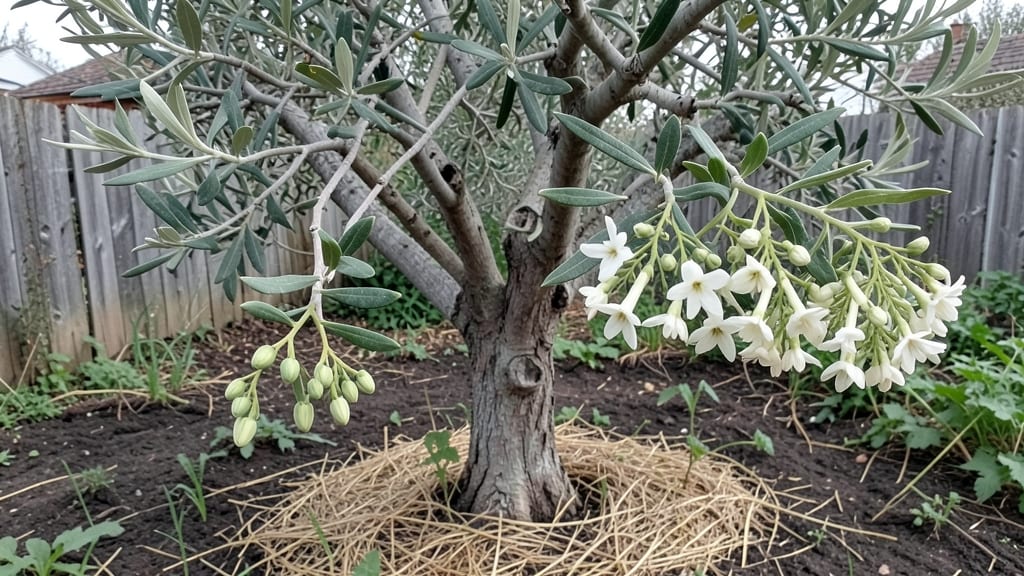
The stages of an olive tree 🫒 bloom determine whether your tree will bear fruit—or just pretty flowers. Miss one step, and you might end up with a harvest of zero.
Watching an olive tree bloom is like witnessing nature’s delicate artistry—tiny white flowers transform into future olives, but only if you understand the precise stages. Miss the timing, and you could lose your harvest entirely.
From late winter buds to summer fruit set, each phase depends on temperature, sunlight, and even your pruning choices. I’ll break down what to look for month by month, so you can spot the signs of a healthy bloom—and what to do if something goes wrong.
By the end, you’ll know exactly when to expect flowers, how to encourage more of them, and the one pruning mistake that kills blooms before they start.
Olive tree bloom stages: month-by-month flowering timeline
Understanding your olive tree’s bloom stages is essential for maximizing fruit production. These trees follow a predictable cycle, but timing varies dramatically between Mediterranean climates and US growing zones 8-11.
In my experience, even a 5°F temperature shift can delay or advance blooms by weeks—so knowing your local microclimate is key.
Olive trees typically bloom in late winter to early spring, but the exact months depend on your region. Mediterranean climates often see blooms as early as January-February, while US growers in California or Florida may not see flowers until March-April.
Cold snaps can halt progress entirely, so protecting young trees is critical.
Each bloom stage—from bud formation to fruit set—requires specific care. For example, peak flowering demands consistent moisture, while post-blooming needs reduced water to encourage olive development. Let’s break down what to expect month by month.
Here’s a quick reference for the 3 core bloom stages and their ideal conditions:
📌 Key Takeaway: Olive trees are self-pollinating but benefit from cross-pollination. If you notice poor fruit set, consider planting a second tree or gently shaking branches during peak bloom to aid pollination.
| Stage | Months (Mediterranean) | Months (US Zones 8-11) | Temperature Range (°F) | Key Visual Cues | Care Tips |
|---|---|---|---|---|---|
| Pre-Bloom (Bud Formation) | January - February | February - March | 50-65°F | Tiny green buds appear on new wood | Reduce watering; avoid nitrogen to prevent leafy growth |
| Peak Bloom | March - April | April - May | 60-75°F | White, fragrant flowers in clusters; male flowers have long stamens | Water deeply 2-3x/week; hand-pollinate if needed |
| Post-Bloom (Fruit Set) | May - June | June - July | 70-85°F | Flowers wilt; tiny olives form (pea-sized) | Reduce water to 1x/week; mulch to retain moisture |
| Critical Notes |
|
||||
During pre-bloom, olive trees are sensitive to water stress. I’ve seen buds drop entirely if the soil dries out completely during this phase. Use a moisture meter to ensure the root zone stays between 40-60% moisture.
In USDA Zone 9, where I garden, I start monitoring soil moisture in late January to prepare for bud formation.
When flowers appear, you’re in the peak bloom stage. This is your 3-week window to ensure pollination success. Olive flowers are self-compatible, but cross-pollination increases yields. If you notice few bees in your area, try gently shaking branches on warm, sunny days to help pollen spread.
After blooming, the tree shifts focus to fruit development. This is when many gardeners make the mistake of overwatering, which can cause olives to split or rot.
I reduce my watering schedule to once weekly and apply a 2-inch layer of mulch to lock in moisture without overfeeding the roots.
Regional differences matter more than you might think. In Southern California, blooms start in February, while in Florida, they often wait until April due to warmer winters. If you’re in a transitional zone like Zone 8, protect your tree with frost cloth during unexpected cold snaps.
One of my biggest lessons? Don’t prune during bloom season. Pruning in late winter (before buds form) is ideal, but cutting back during or after flowering can reduce next year’s bloom potential. Save heavy pruning for summer or early fall when the tree is recovering.
Finally, keep an eye out for stress signs like yellowing leaves or premature flower drop. These often indicate nutrient deficiencies (especially zinc or boron) or pests like olive fruit flies. A balanced fertilizer with micronutrients can make all the difference during the critical fruit set stage.
By mastering these month-by-month cues, you’ll turn your olive tree’s blooms into a bountiful harvest. The key is patience—olive trees take 1-2 years from bloom to full fruit production, but the reward is worth it. 🫒
How to identify olive tree bloom stages (with photos)
Identifying the olive tree bloom stages is key to predicting your harvest. Each stage offers unique visual and tactile clues that help you understand whether your tree is thriving or struggling. Miss these signs, and you might overlook the perfect time to support pollination or adjust care routines.
I’ve learned from experience that even small details—like the texture of buds or the scent of flowers—can reveal a lot about your tree’s health.
Olive trees typically bloom in late winter to early spring, but the exact timing depends on your climate. In Mediterranean regions, blooms appear as early as February, while in USDA zones 8-11, they often emerge in March or April.
Understanding these stages helps you prepare for fruit set and avoid common mistakes, like mistaking male flowers for female ones or confusing wilted blooms with disease.
-
1. Bud Formation (Late Winter)
Tiny, greenish buds appear along branches. They feel firm and resemble tiny peas. This stage lasts 2-3 weeks before flowers emerge. -
2. Flower Cluster Development (Early Spring)
Buds swell into white or pale yellow clusters. Each cluster contains 10-30 tiny flowers. The scent is faintly sweet—like jasmine but subtler. -
3. Peak Blooming (Mid-Spring)
Flowers fully open with 4 petals and a central stamen. Female flowers have a tiny ovary at the base (male flowers lack this). This is the critical pollination window. -
4. Wilted Blooms (Late Spring)
Flowers turn brown and crispy as petals fall. The ovary swells slightly if pollination succeeded. Prune wilted clusters to redirect energy to fruit development.
One common mistake is confusing male and female flowers. Male flowers have long stamens, while female flowers have a small, rounded ovary at the base. If you’re unsure, gently pull apart a cluster—female flowers will have a tiny bump where olives will form.
I once thought my tree wasn’t blooming well until I realized I’d been misidentifying the flowers!
Fruit set usually occurs 4-6 weeks after peak blooming, but you’ll see the first signs earlier. Look for tiny green olives forming where female flowers were. If your tree blooms heavily but few olives appear, it might need hand-pollination or better beeswinger support.
In my garden, I’ve found that light pruning after blooming encourages more fruit development.
Pay attention to the scent and texture of flowers—healthy blooms smell sweet and feel slightly waxy. If flowers appear dull or mushy, your tree might be stressed from overwatering or nutrient deficiencies.
Adjust care immediately to protect next year’s blooms. With practice, you’ll recognize each stage effortlessly, just like a seasoned olive grower!
🌿