
Neem Oil
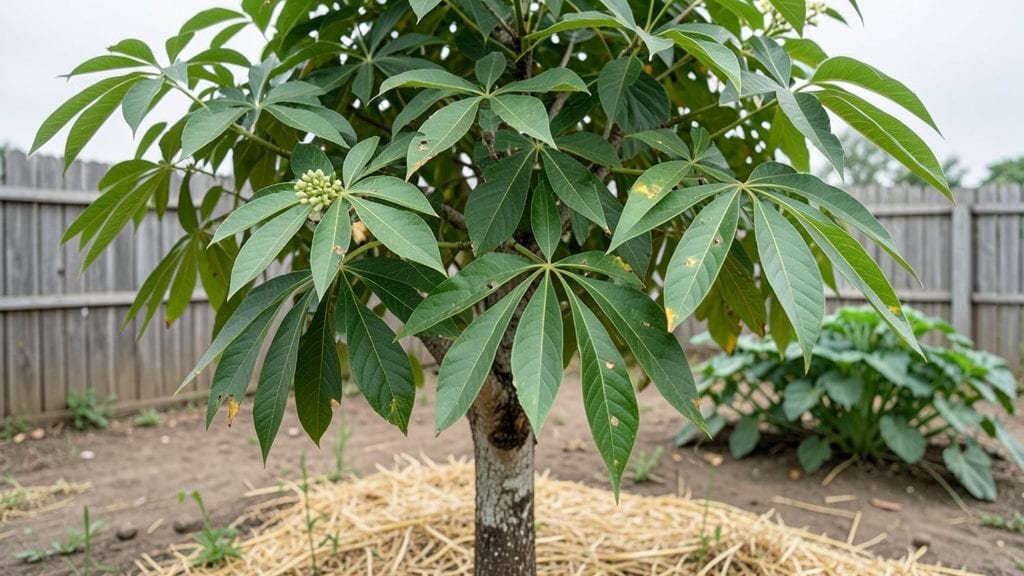
Growing a neem tree in Arizona isn’t just possible—it’s one of the smartest moves for desert gardens. 🌵 I’ve watched mine thrive through 110-degree summers, proving this tree isn’t just drought-tolerant but downright resilient when planted right.
The key is mimicking its natural habitat: well-draining soil, minimal fuss, and a spot where it can stretch its legs without competing with cacti for water.
Here’s the thing—neem trees in Arizona need three things to flourish: fast-draining soil (mix in sand or gravel if yours is heavy), morning sun (afternoon shade helps in extreme heat), and deep, infrequent watering (think once every 2-3 weeks once established).
They hate soggy roots, so raised beds or mounded soil work wonders. The first year is about getting roots strong enough to handle the heat.
What you’ll love is how this tree pays you back: fragrant white flowers in spring, leathery leaves that repel pests naturally, and medicinal benefits—just crush a few leaves in water for a homemade insect spray.
My neighbors now ask for cuttings because they’ve seen how well mine handles Arizona’s brutal summers compared to their struggling ornamentals.
Fair warning: neem trees grow 15-30 feet tall, so give it space. But if you’re dealing with desert pests like whiteflies or scale, this tree becomes your secret weapon. The best part?
It’s low-maintenance once established—just watch for aphids (spray with soapy water) and root rot (never let it sit in water). Ready to grow one that outlasts the heat?
📚 In This Guide
- What you need
- Instructions
- Tips and common mistakes
- Wrapping up and next steps
What you need
- ● Neem tree seeds or saplings: 1-2 (preferably Azadirachta indica varieties adapted to arid climates).
- ● Well-draining potting mix: 5-10 gallons (blend of cactus/succulent soil + perlite or pumice for aeration).
- ● Large container or nursery pot: 15-20 gallons (with drainage holes) for saplings; or a prepared planting hole (12" wide × 12" deep) for mature trees.
- ● Organic mulch: 2-3 inches (e.g., shredded bark, straw, or gravel to retain moisture and regulate soil temp).
- ● Drip irrigation system or soaker hose: Essential for desert watering (adjustable to deliver 1-2 gallons per watering, 2-3x/week).
- ● Fertilizer: Slow-release, low-nitrogen option (e.g., 5-5-5 or compost tea) applied spring and fall.
- ● Pruning shears: Sharp, sterilized pair for shaping and maintenance.
- ● Soil moisture meter: Helps monitor water needs in dry climates.
- ● Shade cloth (30-50% coverage): Protects young trees from intense Arizona sun (use temporarily).
- ● Tree stakes & ties: 2-3 stakes (for wind support if planting in exposed areas).
- ● Neem oil or insecticide: 1 bottle (for pest prevention, though neem trees are naturally resilient).
- ● Gloves & long sleeves: Protects from thorns (especially when pruning).
Step-by-Step instructions for planting a neem tree in Arizona’s desert climate
Here’s how to establish a resilient neem tree in Arizona’s harsh conditions—where timing and soil prep make all the difference.
🌱 Step 1: Choose the Right Time and Spot for Planting
Plant your neem tree in late winter or early spring, when soil temperatures hover around 60-65°F and the risk of sudden freezes has passed. Arizona’s desert climate demands you avoid summer planting—scorching heat stresses young roots before they establish. Look for a location with partial shade during the hottest afternoon hours, but full sun exposure for the rest of the day.
Neem trees thrive in well-draining soil but tolerate poor, rocky ground—common in Arizona. If your soil is heavy clay, amend with 3-4 inches of coarse sand or gravel mixed into the top 12 inches of soil. This improves drainage and mimics the tree’s natural habitat. Avoid low-lying areas where water pools, as neem roots rot easily in soggy conditions.
🪴 Step 2: Dig the Hole and Prepare the Root Ball
Dig a hole twice as wide as the root ball but only as deep—planting too deep suffocates the roots. For a 4-foot-tall neem tree (common nursery size), aim for a hole 24 inches wide and 12 inches deep. Gently remove the tree from its container and tease out any circled or tangled roots at the edges. This encourages outward growth instead of girdling the stem.
Place the tree in the hole so the top of the root ball sits level with the surrounding soil. Fill the hole with native soil, tamping lightly every 3 inches to eliminate air pockets. Avoid compacting the soil too firmly—neem roots need loose, aerated soil to spread. Water the hole deeply to settle the soil around the roots before backfilling completely.
💧 Step 3: Water Deeply and Mulch for Desert Retention
After planting, soak the root zone with 10-15 gallons of water—enough to saturate the soil 12-18 inches deep. Let the water drain completely before adding 3-4 inches of mulch (use wood chips or gravel, not organic mulch that retains too much moisture). Spread the mulch in a 3-foot diameter ring around the base, keeping it 6 inches away from the trunk to prevent rot.
In Arizona’s dry heat, water once a week for the first month, then every 10-14 days thereafter—adjust based on rainfall. You’ll know it’s time to water when the top 2 inches of soil feel dry. Overwatering is the fastest way to kill a neem tree in desert conditions, so resist the urge to water on a schedule without checking moisture levels.
☀️ Step 4: Protect and Prune for Arizona’s Harsh Seasons
Young neem trees need protection from intense afternoon sun during their first year. Install a shade cloth (30-50%) on the south or west side of the tree to reduce heat stress. Remove the cloth after 6-8 weeks if the tree shows no signs of sunburn (yellowing or crispy leaf edges). Prune only to remove dead, crossing, or diseased branches—never "thin" the canopy in the first year, as this weakens the tree.
Once established, prune in late winter to shape the tree and remove suckers (shoots growing from the base). Use sterilized pruners to make clean cuts just above a leaf node. Avoid heavy pruning in summer, as the tree redirects energy to regrowth instead of root development—a critical mistake in Arizona’s heat.
⏰ Step 5: Monitor for Pests and Adjust Care Yearly
Neem trees in Arizona rarely face pests, but aphids or spider mites may appear in dry conditions. Treat infestations with neem oil spray (diluted to 1 tablespoon per gallon of water) applied in the early evening to avoid burning leaves. Avoid synthetic pesticides—they harm beneficial insects that help control pests naturally.
By year 3, your neem tree should require minimal watering (only during prolonged droughts) and no additional shade. Fertilize once a year in early spring with a balanced, slow-release fertilizer (10-10-10 ratio) applied 6 inches from the trunk. Watch for signs of stress—yellowing leaves often mean overwatering, while drooping foliage signals underwatering in Arizona’s heat.
Tips & tricks for desert-adapted neem tree planting
These are the hard-won lessons I've learned from planting neem trees in Arizona's unforgiving climate—where the difference between success and failure often comes down to these small but critical details.
Timing is Everything: The late winter to early spring window isn't just about avoiding freezes—it's about giving your neem tree's roots the best chance to establish before Arizona's summer heat arrives. I've seen trees planted in spring thrive while those planted in summer struggle to recover. Pay close attention to soil temperatures: aim for that sweet spot of 60-65°F before you plant. You can check this with a simple soil thermometer available at garden centers.
Root Ball Preparation Matters: When you're teasing out those circled roots in Step 2, be gentle but thorough—this isn't just about aesthetics. Those tangled roots can strangle your tree's growth if left unchecked. I like to soak the root ball in water for 10 minutes before planting to help loosen the soil naturally. Also, make sure you're planting at the exact same depth as the tree was growing in its container—any deeper, and you'll suffocate those critical roots.
Desert Watering Wisdom: That initial 10-15 gallons of water in Step 3 is your tree's lifeline in the desert. Don't skimp! Use a hose with a slow setting to let the water penetrate deeply. I've found that adding a few drops of liquid seaweed fertilizer to this watering helps stimulate root growth without overwhelming the young tree. And remember, the 3-foot mulch ring isn't just decoration—it's your moisture shield against Arizona's relentless sun and wind.
Shade Cloth Strategy: When you install that 30-50% shade cloth in Step 4, position it to block the most intense afternoon sun—typically the south or west side of your tree. I've had success using lightweight, breathable fabric that allows some light through while still providing protection. The key is to remove it after 6-8 weeks only if you see no signs of stress. If the tree looks like it's struggling, leave the cloth on longer—better safe than sorry in this climate.
Pro Tips for Neem Tree Arizona
- These are the hard-won lessons I've learned from planting neem trees in Arizona's unforgiving climate—where the difference between success and failure often comes down to these small but critical details.
- Timing is Everything: The late winter to early spring window isn't just about avoiding freezes—it's about giving your neem tree's roots the best chance to establish before Arizona's summer heat arrives.
- Root Ball Preparation Matters: When you're teasing out those circled roots in Step 2, be gentle but thorough—this isn't just about aesthetics.
Frequently asked questions
Got questions about growing a neem tree in Arizona’s desert climate?
Here are some of the most common concerns—plus straightforward answers to help you nurture a healthy, thriving tree.
Can a neem tree survive Arizona’s extreme heat and dry conditions?
Arizona’s desert climate is actually ideal for neem trees! They’re drought-tolerant once established and thrive in full sun with minimal watering (about 1 inch per week). Just ensure well-draining soil and protect young saplings from intense afternoon heat with shade cloth until they’re stronger.
How long does it take for a neem tree to grow in Arizona?
Neem trees grow at a moderate pace—expect about 12–24 inches per year under optimal conditions. In Arizona, mature trees (15–20 feet tall) typically take 5–10 years to reach full size, depending on soil quality, water, and sunlight. Patience pays off for long-term benefits!
Do I need to fertilize a neem tree in Arizona’s soil?
Arizona’s alkaline soil is often nutrient-poor, so light fertilization helps. Use a balanced, slow-release fertilizer (like 10-10-10) in early spring. Avoid over-fertilizing—neem trees are sensitive to excess nitrogen. A compost top-dressing annually also boosts soil health without risk.
Are neem trees safe for Arizona’s native pollinators?
Yes! While neem trees repel pests, they’re non-toxic to bees and butterflies once fully grown. Young trees may release mild neem compounds, so avoid planting near delicate native pollinators until established. Bonus: Their fragrant flowers attract beneficial insects like ladybugs and lacewings!
What’s the best time to plant a neem tree in Arizona?
Plant in early spring (March–April) or late fall (October–November) to avoid scorching summer heat or freezing winter temps. Avoid planting in peak summer—young roots struggle with desert heat. Water deeply after planting and mulch to retain moisture.
Why is my neem tree’s leaves turning yellow in Arizona?
Yellowing leaves often signal overwatering, nutrient deficiency, or fungal issues. Check soil moisture—neem trees hate soggy roots. If leaves are crispy, it’s likely underwatering or salt buildup (flush soil with water). For yellow spots, prune affected areas and improve airflow to prevent fungal growth.
Wrapping up and next steps
Growing a neem tree in Arizona is not only possible but also rewarding—especially when you embrace its desert-adapted nature! 🌵 With the right soil, watering routine, and a sunny spot, you’ll enjoy its fragrant flowers, lush foliage, and even the benefits of its natural neem oil.
Whether you’re a seasoned gardener or just starting, this resilient tree is a fantastic addition to your landscape.
Ready to take the next step? Start by planting your neem tree this season and watch it thrive under Arizona’s bright skies! 🌞 For extra care tips or troubleshooting, revisit our FAQ section—happy growing!