
Flowers
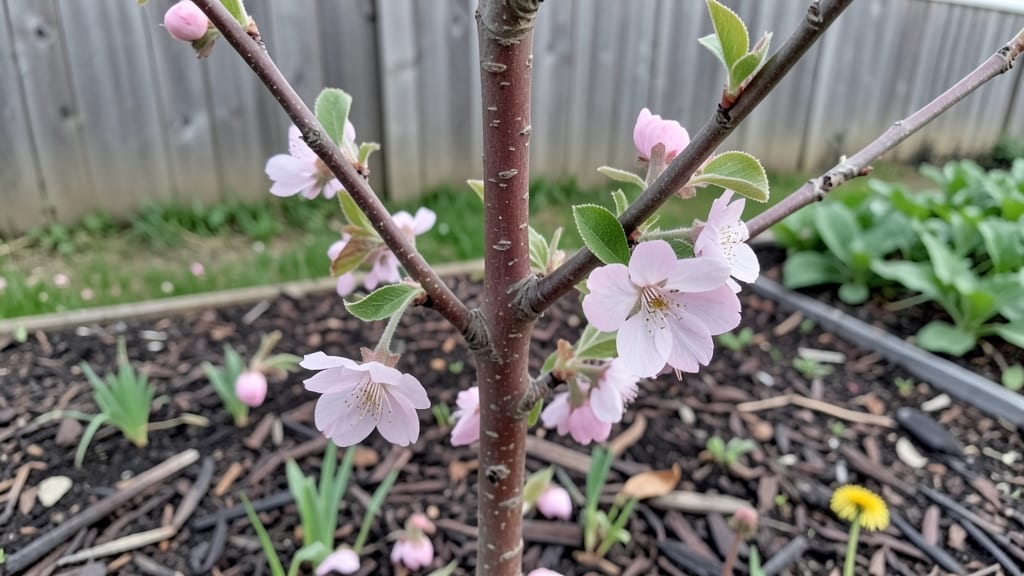
Nectarine tree flowers burst into delicate pink clusters every spring, and the secret to seeing them cover your branches lies in how you prune. 🌸 I’ve watched my own trees go from sparse blooms to a dazzling display by making just a few key cuts at the right time—and the fruit harvest doubles as a result.
The best blooms come from last year’s growth, so pruning isn’t about hacking back wildly—it’s about opening up the canopy to sunlight and air. Focus on removing crossing branches, dead wood, and any growth that crowds the center.
A sharp pair of pruners and a sunny day are all you really need, but timing matters most: do it while the tree’s still dormant, just as buds begin to swell.
When you get it right, you’ll see clusters of fragrant flowers that attract bees and fill the air with sweetness. The more blooms you encourage now, the heavier your summer harvest will be—just avoid over-pruning, which can stress the tree and reduce fruit set.
A little precision goes a long way.
This works for both young trees and mature ones, though younger trees need lighter pruning. The same principles apply whether you’re in a warm climate like Zone 8 or a cooler one like Zone 6—just adjust your timing to avoid late frosts.
Let’s get those branches shaped for next spring’s show.
📚 In This Guide
- What you need
- Instructions
- Tips and common mistakes
- Wrapping up and next steps
What you need
- ● Pruning shears or loppers – Sharp, clean, and sterilized (bypass pruners work best for precision cuts).
- ● Hand pruners – For smaller branches (1/4-inch diameter).
- ● Gloves – Garden-grade, cut-resistant (to protect from thorns and sap).
- ● Disinfectant (70% isopropyl alcohol or bleach solution) – To sterilize tools between cuts and prevent disease.
- ○ Pruning sealant (optional but recommended) – For larger cuts (1-inch+ diameter) to prevent sap bleeding.
- ● Ladder or step stool – If your tree is taller than 6-8 feet.
- ● Marking twine or flags – To tag branches for removal (helps visualize the final shape).
- ● Heavy-duty trash bags – For collecting pruned branches.
- ● Pruning saw – For thick branches (2+ inches).
- ● Tree pruning guide or diagram – To reference open-center vs. modified central leader shapes.
- ● Safety glasses – If working with large branches that may snap back.
- ● Hose or bucket of water – To rinse tools and clean sap off branches.
- ● Notebook & pen – To jot down notes on branch angles or growth patterns.
Instructions for pruning a nectarine tree for maximum spring flowers
Here’s how to shape your tree for stunning blooms next season—without cutting more than you need.
✂️ Step 1: Time Your Pruning for Best Results
Prune your nectarine tree in late winter or early spring, just before buds swell but before flowers appear. This timing ensures you remove last year’s growth while leaving next year’s flower buds intact. If you prune too early, cold damage can stress the tree. Wait until temperatures stay above 40°F at night to avoid shock.
I like to prune on a dry, sunny day—wet conditions invite disease, and bright light helps me spot hidden issues. Mark your calendar for February or March, depending on your climate zone. In warmer areas, you might prune as late as April, but never after flowers appear or you’ll cut off potential fruit.
✂️ Step 2: Remove Dead, Diseased, or Crossing Branches First
Start by cutting out dead wood—it’s easy to spot as gray, brittle branches that snap instead of bend. Next, remove any branches with signs of disease (black spots, oozing sap, or fungal growth). Use clean, sharp pruners to make 45-degree cuts just above a healthy bud or branch collar. Never leave stubs—they invite rot.
Look for branches that cross or rub against each other. These create wounds where pests and disease can enter. If two branches grow in the same direction, remove the smaller one to open the canopy for better airflow and sunlight. I always step back after this step to visualize the tree’s structure—it helps me see what’s left to shape.
☀️ Step 3: Thin Out Overcrowded Areas for Better Airflow
Nectarine trees bloom best when sunlight reaches all branches. Thin out overcrowded areas by removing one-third of the smallest, weakest branches in each cluster. Focus on branches growing inward or downward—they block light and trap moisture. Cut these back to a strong outward-facing bud to encourage new growth in the right direction.
Watch for water sprouts (fast-growing, vertical shoots) and remove them entirely. These steal energy from flower production. If a branch is too thick to cut by hand, use a pruning saw—but only if absolutely necessary. The goal is to leave an open, vase-like shape that lets sunlight penetrate to the center of the tree.
✂️ Step 4: Shape the Tree for Future Growth
Now it’s time to refine the tree’s form. For young trees, aim for a central leader (one main upward branch) with 3-5 scaffold branches spreading outward. For mature trees, maintain a balanced shape by shortening overly long branches by one-third to encourage bushier growth. Always cut back to a bud facing the outside of the tree.
If a branch is growing too close to the ground, remove it entirely—it won’t produce quality fruit and can harbor pests. After pruning, the tree should look like a well-branched umbrella, with no branches touching each other. This shape maximizes sunlight exposure, which is key for abundant spring blooms.
💧 Step 5: Clean Up and Protect Your Tree
After pruning, sterilize your tools with rubbing alcohol to prevent spreading disease. Collect and dispose of all clippings—never leave them on the ground, as they can harbor pests. If you have time, seal larger cuts (over ½ inch thick) with pruning sealant to protect against infection.
Water the tree deeply right after pruning to help it recover. Avoid heavy fertilization right away—let the tree focus on healing before pushing new growth. In 2-3 weeks, you’ll see new buds forming where you made cuts. That’s your sign the tree is responding well and ready for spring blooms.
Tips & tricks for perfect nectarine tree pruning
A few key strategies will help you prune like a pro and set your nectarine tree up for a spectacular spring flower display.
Timing is Everything: The late winter to early spring window is critical—aim for when buds begin to swell but before flowers appear. In colder climates, wait until nighttime temperatures consistently stay above 40°F to avoid stressing the tree. I've learned the hard way that pruning too early can leave your tree vulnerable to frost damage, while waiting too late risks cutting off potential blooms. If you're unsure about your local climate, check your average last frost date and prune about 2-3 weeks before that.
Visualize the Tree's Structure: After removing dead and diseased branches in Step 2, step back frequently to visualize the tree's shape. You're aiming for an open, vase-like form that allows sunlight to reach all branches. Think of it like creating a canopy where every part of the tree can access light and air. For young trees, focus on establishing a strong central leader with 3-5 main scaffold branches. For mature trees, maintain this balance by shortening overly long branches by one-third to encourage bushier growth.
Pruning Tools Matter: Invest in a good pair of sharp pruners and a pruning saw—they make all the difference. Dull tools crush branches instead of making clean cuts, which can damage the tree. Sterilize your tools with rubbing alcohol before and after pruning to prevent spreading disease. I keep a small bottle of rubbing alcohol in my tool shed specifically for this purpose. For larger branches, use the pruning saw to make clean cuts just outside the branch collar, which helps the tree heal more effectively.
Post-Pruning Care: After you've finished pruning, water your tree deeply to help it recover. Avoid fertilizing right away—let the tree focus on healing before pushing new growth. In 2-3 weeks, you should see new buds forming where you made cuts. This is your sign that the tree is responding well. If you notice any signs of stress or disease after pruning, address them promptly to keep your tree healthy and thriving.
Pro Tips for Nectarine Tree Flowers
- A few key strategies will help you prune like a pro and set your nectarine tree up for a spectacular spring flower display.
- Timing is Everything: The late winter to early spring window is critical—aim for when buds begin to swell but before flowers appear.
- Visualize the Tree's Structure: After removing dead and diseased branches in Step 2, step back frequently to visualize the tree's shape.
Frequently asked questions
Got questions about nectarine tree flowers? You’re not alone!
Whether you're a first-time grower or a seasoned gardener, these FAQs will help you master the art of pruning for stunning spring blooms.
When is the best time to prune nectarine trees for flowers?
The ideal time is late winter or early spring, before the buds swell but after the coldest weather passes. This ensures you don’t damage dormant buds while encouraging robust flower growth. Avoid pruning in fall—it can leave wounds vulnerable to disease.
Why aren’t my nectarine tree flowers producing fruit?
Several factors could be at play: poor pollination (nectarines are self-pollinating but benefit from cross-pollination), over-pruning (too much pruning reduces flowering sites), or nutrient deficiencies (lack of phosphorus or potassium). Check for pests or disease too—healthy trees bloom and fruit better!
How much should I prune to encourage more flowers?
Remove 15–25% of the tree’s canopy annually, focusing on dead, crossing, or overcrowded branches. Thin out dense growth to improve airflow and sunlight penetration—both critical for flower development. Never prune more than 30% in one season, or you risk stressing the tree.
What if my nectarine tree flowers but no fruit sets?
This could signal environmental stress (extreme heat/cold during bloom), poor pollination, or immature trees (young trees may take 2–3 years to fruit). Hand-pollinate with a brush if needed, and ensure consistent watering during flowering.
Can I prune nectarine tree flowers after they appear?
Yes, but selectively—remove overly dense clusters or weak growth to redirect energy to stronger blooms. Avoid heavy pruning once flowers open, as this can reduce fruit set. Thin flowers after they’ve bloomed but before tiny fruits form for better-sized harvests.
Wrapping up and next steps
Watching your nectarine tree burst into vibrant spring blooms is a rewarding experience—and with the right pruning techniques, you can make it happen year after year! 🌸 By understanding when, how, and why to prune, you’re not just shaping the tree; you’re setting the stage for a future harvest of juicy, sweet nectarines.
Now that you’re armed with these secrets, there’s no time like the present to grab those pruners and get started!
Ready to take action? Mark your calendar for late winter or early spring—just as those buds begin to swell—and roll up your sleeves. Your nectarine tree (and your future fruit) will thank you!