Blooming
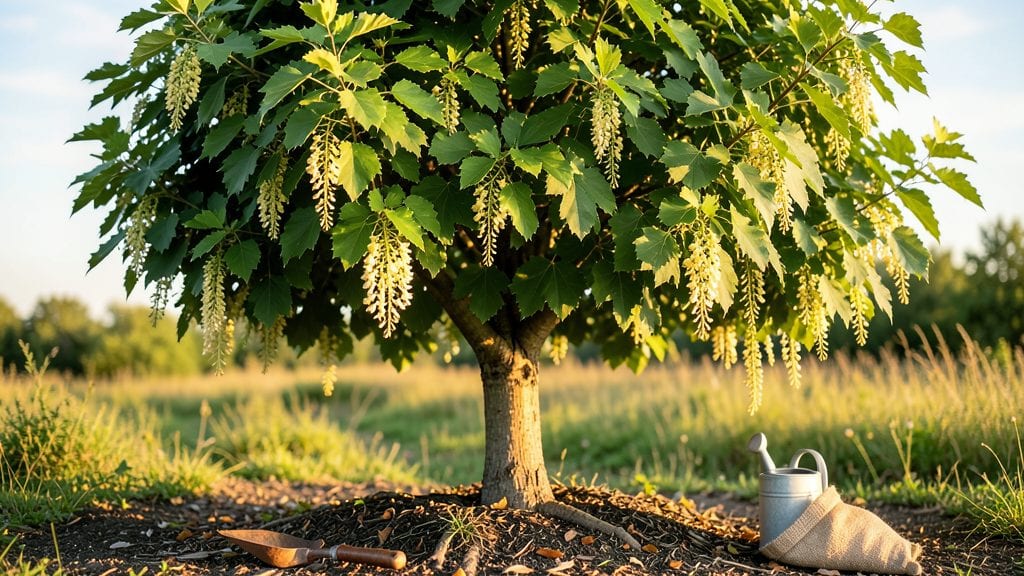
Seeing your lime tree 🍋 blooming with those delicate white flowers is one of the most rewarding sights in a home garden—and the key to more of them lies in when you prune.
Your lime tree’s stunning white blossoms are a fleeting but magical sight—but timing your pruning correctly ensures next year’s floral display will be even more spectacular. Learn the secrets to pruning for maximum blooms without sacrificing fruit production.
In Zone 9b, where lime trees thrive year-round, the best time to prune is late winter—just before the January-February planting window—when the tree is dormant but about to burst into growth. This timing gives your tree the energy it needs to produce abundant blooms while keeping it healthy.
Below, I’ll walk you through the exact steps to prune your lime tree for more flowers, how to avoid common mistakes, and why a little seasonal care now means a spectacular show next year.
Best time to prune lime trees for maximum blooming flowers
Pruning your lime tree at the right time is the secret to unlocking those breathtaking white blossoms year after year. The best blooming starts with understanding how seasonal timing affects flower buds—because a single misstep can mean fewer blooms or even no fruit.
For most lime varieties, the ideal pruning window is late winter to early spring, just before new growth begins. This timing ensures you’re not removing potential flowering zones that form during dormancy.
Think of it this way: when you prune, you’re shaping not just the tree’s structure but also its future fruit production. Lime trees produce flowers on new wood, meaning the current year’s growth will bear next year’s blooms.
If you prune too late, you risk cutting off these flowering buds before they’ve had a chance to develop. Conversely, pruning too early—like in deep winter—can stress the tree when it’s already conserving energy for spring.
Here’s the golden rule: aim for late February to early March in most USDA Zone 9b climates, but adjust based on your local frost dates. For example, in cooler coastal regions, you might delay until March, while hotter inland areas can prune as early as January.
The key is to prune just as the tree starts waking up but before active growth begins.
Now, let’s break down the critical factors that determine the perfect pruning moment for your lime tree’s maximum blooming potential.
| Factor | Optimal Timing | Climate Adjustments | Impact on Blooms |
|---|---|---|---|
| Dormancy Period | Late winter (Jan-Feb) | Cooler zones: March; warmer zones: January | Preserves flower buds forming on new wood |
| New Growth Start | Early spring (Feb-Mar) | Frost-free areas: February; frost-prone: March | Encourages healthy blooming zones for next year |
| Frost Risk | After last frost | Zone 9b: January-February; Zone 8: March | Prevents bud damage from late frosts |
| Pruning Tools | Sterilized, sharp pruners | All climates | Reduces disease risk in cuts |
| Post-Pruning Care | Water deeply, fertilize lightly | Drought areas: extra water; wet areas: reduce | Boosts root growth for better blooms |
Understanding your local climate is half the battle. For instance, in Southern California, where frost is rare, you can prune as early as January to take advantage of the mild winter.
Meanwhile, in Florida’s humid subtropical zone, pruning in late February avoids the worst of the rainy season while still catching the tree before it wakes up. Even a 1-2 week difference can mean the difference between a tree laden with white blossoms and one that barely flowers.
Another critical factor is the age of your lime tree. Young trees—under 3 years old—need minimal pruning to establish their structure. Focus on removing only dead or diseased branches and shaping the canopy to encourage an open center.
This open structure is vital because it allows sunlight penetration to reach the inner branches, where many flowering buds develop.
For mature trees, you can be more aggressive with pruning, but always aim to remove no more than 25% of the canopy in a single session to avoid shocking the tree.
Let’s talk about regional adjustments because they make all the difference. In Zone 9b, where I garden, I’ve found that pruning in mid-February gives the tree enough time to recover before the heat of summer.
But if you’re in Zone 8a, where frosts are more common, wait until late March to ensure you’re not pruning too early and exposing new growth to cold damage.
Even a single late frost can kill flowering buds that haven’t yet hardened off, leaving you with sparse blooms—or worse, no fruit at all.
One of the most common mistakes I see is pruning during the summer or fall. While it
Step-by-step pruning techniques to encourage lime tree flowers
Pruning your lime tree isn’t just about shaping its canopy—it’s a strategic way to trigger next year’s blooms. When done correctly, pruning removes obstructive branches and redirects energy toward flower production rather than excessive foliage. The key is balancing structural cuts with bloom-promoting techniques to avoid stressing the tree.
Lime trees produce flowers on new wood, meaning pruning in late winter or early spring stimulates fresh growth where white blossoms will emerge. Focus on three critical zones: dead/diseased wood, crossing branches, and dense inner growth.
These steps ensure sunlight and air circulate freely, which is essential for healthy blooming and fruit development.
Start by cutting out any blackened, brittle, or fungus-covered branches. These sap-sucking branches drain energy from the tree. Use clean, sharp pruners and cut just outside the branch collar to prevent infection.
Target overlapping branches that block sunlight from reaching the inner canopy. Aim to reduce density by 20-30%—this opens space for new growth where flowers will form. Focus on branches growing toward the tree’s center.
Prune to create an open vase shape, allowing air to circulate. This reduces humidity buildup in dense areas, lowering the risk of bloom-robbing diseases like powdery mildew. Cut back water sprouts (fast-growing vertical shoots) to encourage lateral growth.
Identify last year’s bloom clusters—these are your future flower zones. Avoid cutting back into these areas, as they’ll produce next season’s blossoms. Instead, prune just beyond these clusters to stimulate new growth nearby.
After pruning, sterilize tools with rubbing alcohol to prevent disease spread. Remove all clippings from the base of the tree, and consider composting them away from the garden to avoid pests.
Never prune more than 25% of the tree’s canopy in a single session—this can shock the tree and reduce blooming. For mature trees, spread pruning over 2-3 years to maintain vigor. Always prune on a dry, cloudy day to minimize stress on the tree.
Watch for new shoots emerging in spring—they’ll be your bloom hotspots! With the right cuts, your lime tree will reward you with abundant white flowers and a bumper crop of limes next season.