Picking
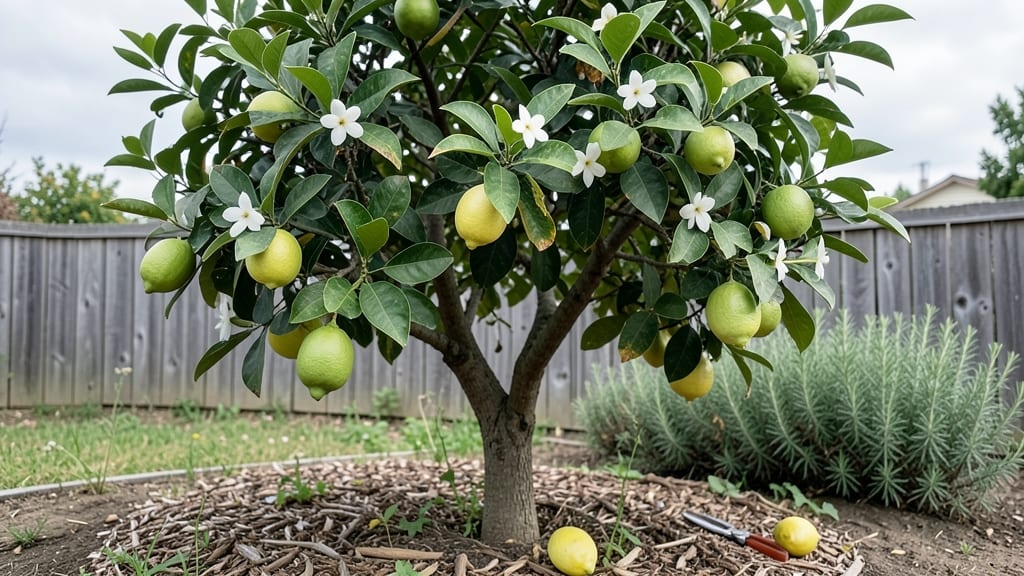
Timing your harvest makes all the difference in flavor and tree health. 🌞 Most lemon varieties—like Eureka or Lisbon—reach peak freshness in late winter through early spring, but Meyer lemons often ripen earlier, sometimes as early as fall.
The key is balancing firmness and color: overripe lemons lose their tangy brightness, while underripe ones lack sweetness. I always test one lemon first by squeezing it—if the juice flows easily but the skin still resists gentle pressure, it’s ready to pick.
Pro tip: Avoid harvesting during peak heat, as the tree’s natural oils can degrade quickly in direct sunlight. Instead, wait until morning when temperatures are cooler and the fruit has had time to hydrate overnight. This simple habit preserves flavor and keeps your tree thriving for years to come.
💡 In This Article
- How Climate and Variety Affect Lemon Ripening
- Step-by-Step Guide to Harvesting Lemons Without Damaging the Tree
How climate and variety affect lemon ripening
The ripening process of lemons is heavily influenced by their growing environment, particularly temperature zones defined by the USDA hardiness system. Most commercial varieties like Eureka and Lisbon thrive in zones 9-11, where winter temperatures rarely drop below 20°F.
In these warmer climates, lemons typically ripen from late fall through spring, with peak flavor occurring after a period of cooler weather that slows sugar conversion.
The Meyer lemon, however, is more adaptable and can ripen in zones 7-11, often producing fruit as early as late summer or early fall due to its lower chill requirements.
Sunlight exposure plays a critical role in ripening speed and flavor intensity. Lemons need 6-8 hours of direct sunlight daily to develop optimal sweetness and acid balance. In full-sun conditions, the fruit's natural sugars convert more efficiently, resulting in a brighter, more aromatic profile.
However, excessive heat above 90°F can accelerate ripening too quickly, leading to a loss of acidity and a softer texture.
Soil health also impacts ripening—well-drained, slightly acidic soil (pH 6.0-7.0) with adequate phosphorus promotes faster maturation, while poor soil can delay ripening by up to 4-6 weeks due to nutrient deficiencies.
Seasonal shifts create distinct ripening windows for each variety. Eureka lemons, for example, ripen gradually over several months, with the best flavor appearing in January-February after winter's cooler temperatures. Lisbon lemons follow a similar pattern but often peak slightly later, around February-March.
Meyer lemons, however, are early bloomers, with their first harvests ready as early as October-November in warmer zones. This variation occurs because Meyer lemons have a shorter juvenile period and respond differently to temperature fluctuations, making them ideal for shorter growing seasons.
What most people don't realize is how temperature fluctuations during ripening affect flavor chemistry. A brief cold snap (down to 40°F) can actually enhance lemon sweetness by slowing down sugar breakdown, while consistent warm temperatures lead to a more acidic, less complex taste.
This is why lemons grown in Mediterranean climates—with mild winters and hot summers—often have a more balanced flavor profile. Additionally, the tree's overall health influences ripening: stressed trees (from drought or pests) produce smaller, less flavorful fruit that ripens unevenly.
Consider these key factors when planning your harvest schedule:
- Variety: Eureka/Lisbon = late winter; Meyer = fall/winter
- Climate Zone: Warmer zones (9-11) produce year-round; cooler zones (7-8) have shorter seasons
- Sunlight: 6+ hours daily = optimal ripening; 90°F+ = accelerated but inferior quality
- Soil Conditions: pH 6.0-7.0 with good drainage = faster, better-quality fruit
The science behind these variations lies in the plant's hormonal responses. Ethylene gas, which triggers ripening, is produced more actively in cooler temperatures, leading to a gradual flavor development. In contrast, heat stress can cause a sudden ethylene surge, resulting in overripe fruit that loses its signature tartness.
Understanding these mechanisms helps you predict ripening windows with remarkable accuracy—just observe your tree's response to seasonal changes and adjust your picking schedule accordingly. 🌿