
Landscaping
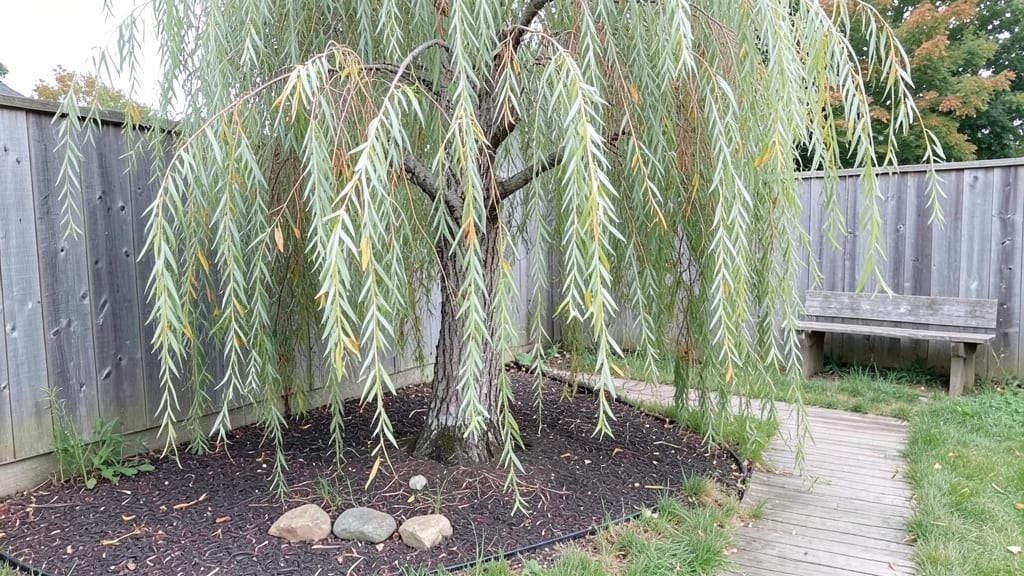
The art of landscaping with weeping trees can turn your waterfront into a dreamy retreat—just look at my weeping willow by the pond. The key is choosing the right spot—close enough to water for dramatic effect, but far enough to protect your foundation from aggressive roots.
These trees aren’t just pretty—they’re practical. A mature weeping willow provides shade, reduces glare on the water, and even helps filter runoff naturally. For best results, pair it with moisture-loving perennials like irises or hostas at its base, and keep the surrounding area mulched to retain moisture.
The golden hues in autumn make it a seasonal showstopper too.
You’ll love how it frames views of the water while adding texture and movement to your landscape. Just be prepared for regular pruning to maintain its graceful shape—those branches grow fast! The payoff? A focal point that feels both wild and intentional, year after year.
Works beautifully in both formal and naturalistic designs. Whether you’re lining a pond, anchoring a garden entrance, or creating a privacy screen, this tree delivers drama with minimal effort. Let’s get your waterfront looking like a postcard.
📚 In This Guide
- What you need
- Instructions
- Tips and common mistakes
- Wrapping up and next steps
What you need
- ● Weeping Willow Tree(s) – Choose Salix babylonica or similar varieties (1-3 trees, depending on desired coverage). Opt for 1- to 3-gallon containers for young trees or 5-gallon+ for mature specimens.
- ● High-Quality Soil – 60+ lbs of a mix of topsoil and compost (ratio: 2:1) to ensure drainage and nutrient-rich planting.
- ● Mulch – 2-3 cubic feet of wood chips or pine straw to retain moisture and suppress weeds.
- ● Fertilizer – Slow-release, balanced fertilizer (10-10-10 or 20-20-20), 1 lb per tree, to support early growth.
- ● Tree Stakes & Ties – 2-4 stakes per tree (4-6 ft tall) and soft fabric ties for stabilization.
- ● Drip Irrigation System or Hose – Essential for deep watering (1-2 gallons per tree, 2-3x weekly) during the first year.
- ● Shovel & Garden Fork – For digging holes 3x wider and as deep as the root ball.
- ● Wheelbarrow – To transport soil, mulch, and tools efficiently.
- ● Pruning Shears & Loppers – For shaping and removing dead branches post-planting.
- ● Gloves & Safety Gear – Garden gloves and eye protection (willows can be thorny!).
- ● Erosion Control Blankets – If planting near water, use biodegradable mats to prevent soil runoff.
- ● Tree Guards – Protect young trunks from animals and lawn equipment.
- ● Soil Amendments – Sand or perlite (if your soil is heavy clay) to improve drainage.
- ● Decorative Stones or Gravel – For a polished look around the base of the tree.
- ● Post-Planting Care Kit – Root stimulator and anti-desiccant spray for extra protection.
Step-by-step guide to planting weeping willow trees
Here's how to create a stunning waterfront feature with minimal stress and maximum impact.
Choose the Perfect Planting Location
Weeping willows thrive near water but need space to spread their graceful branches. Look for a spot at least 20 feet away from structures—their roots grow aggressively and can damage foundations or sidewalks over time. The ideal location gets full sun to partial shade, with at least 6 hours of direct sunlight daily for best growth.
Check the soil drainage before planting. Weeping willows tolerate moist conditions but won’t survive in standing water. If your site floods regularly, amend the soil with 3 inches of compost to improve aeration. Dig a hole twice as wide as the root ball but no deeper—this encourages roots to spread horizontally rather than settling too low.
Prepare the Hole and Root System
Gently remove the tree from its container and loosen any circling roots with your fingers—these can strangle the plant if left intact. Soak the root ball in lukewarm water for 30 minutes before planting to rehydrate the roots and reduce transplant shock. This step is critical, especially in dry conditions.
Place the tree in the hole so the top of the root ball sits 1-2 inches above ground level. Weeping willows often settle over time, so this slight elevation prevents the trunk from rotting. Backfill with the native soil you removed, tamping lightly every 6 inches to eliminate air pockets. Water deeply to settle the soil around the roots.
Mulch and Water for Establishment
Spread 3 inches of mulch over the root zone, keeping it 6 inches away from the trunk to prevent rot. Use organic mulch like wood chips or shredded bark—it improves soil moisture retention and suppresses weeds. Avoid inorganic mulches like rocks, which don’t break down and can bake the roots in summer.
Water the tree deeply twice a week for the first month, then taper to once a week if rainfall averages 1 inch or more. You’ll know it’s getting enough water when the top 6 inches of soil stay consistently moist but not soggy. Overwatering is a common mistake—weeping willows hate wet feet for extended periods.
Prune and Monitor Growth
Prune only to remove dead, broken, or crossing branches in early spring before new growth begins. Avoid heavy pruning—weeping willows develop their signature shape naturally. If you notice leggy growth reaching toward the sun, the tree may need more shade or a slight adjustment in its position.
Watch for signs of stress like yellowing leaves or stunted growth, which often signal root competition or poor drainage. If the soil stays waterlogged for more than a few days, consider installing a French drain to redirect excess moisture away from the root zone. With proper care, your weeping willow will develop its iconic, cascading form within 3-5 years.
Tips & tricks for perfect weeping willow planting
Planting a weeping willow successfully comes down to a few key details that make all the difference between a thriving tree and one that struggles. These are the lessons I've learned from watching willows transform landscapes—and the mistakes that can derail even the best intentions.
Location is Everything: The 20-foot clearance from structures isn't just a suggestion—it's a necessity. I've seen willow roots crack foundations and lift sidewalks when planted too close. Measure carefully, and if your property has limited space, consider a smaller weeping tree like a pussy willow as an alternative. The 6 hours of sunlight requirement is non-negotiable either; willows planted in deep shade will grow leggy and weak, losing their signature cascading form.
Root Care Makes or Breaks Transplant Success: That 30-minute root soak in lukewarm water is your secret weapon against transplant shock. I've planted dozens of willows, and the ones that get this step right establish twice as fast. For the root ball elevation, use a level to ensure it's exactly 1-2 inches above ground—any higher risks drying out, any lower risks rot. When tamping the soil every 6 inches, do it gently; you're not compacting a driveway, just eliminating air pockets that could trap moisture.
Mulching Strategy That Works: The 3-inch mulch layer is perfect, but placement matters just as much as thickness. I always create a donut shape, keeping mulch 6 inches from the trunk to prevent moisture buildup that causes rot. For the first year, I add a 1-inch layer of straw over the wood chips—it acts like insulation, protecting roots from temperature swings. And here's what nobody tells you: refresh that mulch every spring, breaking up old layers to prevent compaction.
Pro Tips for Landscaping Weeping Trees
- Planting a weeping willow successfully comes down to a few key details that make all the difference between a thriving tree and one that struggles.
- Location is Everything: The 20-foot clearance from structures isn't just a suggestion—it's a necessity.
- Root Care Makes or Breaks Transplant Success: That 30-minute root soak in lukewarm water is your secret weapon against transplant shock.
Frequently asked questions
Got questions about incorporating weeping trees into your waterfront landscape? Here are some of the most common concerns—and their answers—to help you make the best choices for your space.
How do I choose the right weeping tree for my waterfront property?
Consider your climate, soil type, and space constraints. Weeping willows thrive in moist, well-drained soil and full sun, but they need plenty of room to grow (up to 30–50 feet wide!). For smaller spaces, try a dwarf variety like Salix caprea 'Pendula'. Always check local regulations—some areas restrict willows due to invasive roots.
When is the best time to plant a weeping tree near water?
Plant in early spring or fall when temperatures are mild. Avoid extreme heat or cold, as these can stress young roots. If planting near water, ensure the soil isn’t waterlogged—amend with compost or sand to improve drainage. Pro tip: Water deeply after planting and mulch to retain moisture without suffocating roots.
Do weeping trees need special care near ponds or lakes?
Yes! While they love moisture, stagnant water can harm roots. Plant at least 10–15 feet from the water’s edge and avoid areas with poor drainage. Prune in late winter to shape the tree and remove dead branches. Watch for pests like aphids—spray with water or use neem oil if needed.
Are there alternatives to weeping willows for low-maintenance landscapes?
Consider these low-maintenance options:
- Weeping Cherry (Prunus subhirtella): Smaller, with stunning spring blossoms.
- Weeping Beech (Fagus sylvatica 'Pendula'): Elegant year-round structure, great for formal gardens.
- Japanese Maple (Acer palmatum 'Crimson Queen'): Compact, colorful, and drought-tolerant once established.
Why is my weeping tree’s foliage turning yellow or brown?
Yellowing leaves often signal overwatering or nutrient deficiency. Brown tips? It could be underwatering or salt buildup (common near coastal areas). Check soil moisture and adjust watering—weeping trees prefer consistent moisture, not soggy soil. A balanced fertilizer in spring can also help. If issues persist, test soil pH or consult a local arborist.
Wrapping up and next steps
Incorporating weeping willow trees into your waterfront landscape isn’t just about beauty—it’s about creating a serene, functional, and visually stunning space. These graceful trees bring drama, shade, and a touch of nature’s elegance while thriving near water.
Whether you’re a seasoned landscaper or a passionate homeowner, their versatility makes them a fantastic choice for any waterfront design.
Ready to transform your outdoor space? Start by assessing your site’s conditions, selecting the right variety, and planning for long-term care. Take the first step today! 🌿💧