
Landscaping
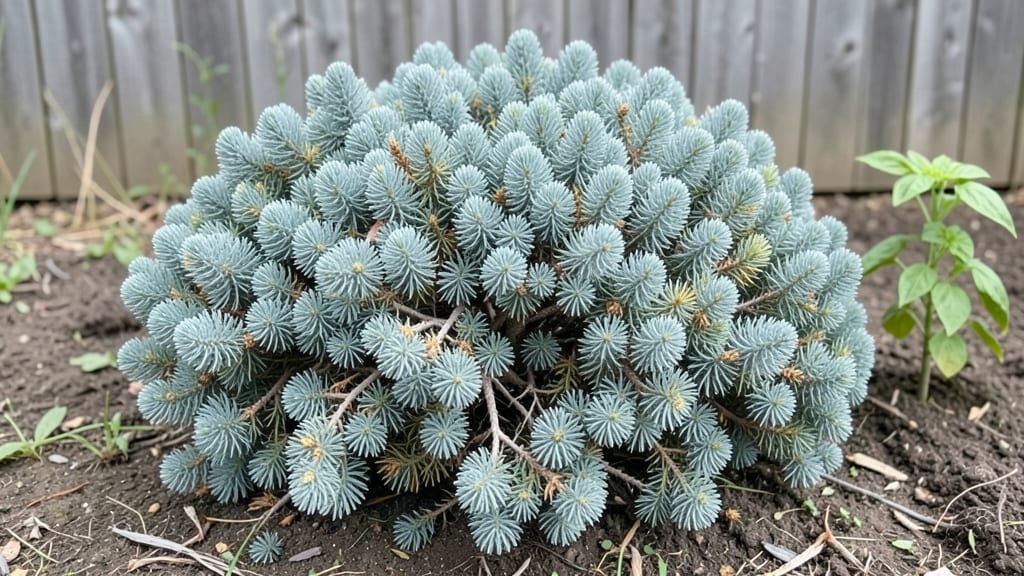
The juniper 'Pom Pom' tree turns your landscape into a living sculpture with its velvety blue-green globes that look like tiny evergreen pom-poms. I planted mine as a bold statement piece, and it’s now the centerpiece of my front yard—no matter the season.
The texture alone makes it stand out, but the way it holds its shape through winter is what truly sold me.
This juniper thrives in full sun and handles drought like a champ, making it perfect for modern, xeriscape, or even cottage-style gardens. Pair it with ornamental grasses for movement or low-growing perennials to highlight its rounded form. In mixed borders, it adds structure without stealing the show from flowering plants.
You’ll love how it stays vibrant all year—no yellowing, no messy cleanup, just year-round texture and color that neighbors will ask about. The best part? It grows slowly, so pruning is minimal, and its dense branches create natural privacy or windbreaks.
Whether you want a focal point or a low-maintenance hedge, this juniper delivers.
Works in containers for small spaces or as a standalone specimen—its versatility is its superpower. Let’s talk placement and design ideas to make yours the talk of the neighborhood.
📚 In This Guide
- What you need
- Instructions
- Tips and common mistakes
- Wrapping up and next steps
What you need
- ● Juniper 'Pom Pom' Tree: 1 mature specimen (3–6 feet tall, depending on desired size). Choose a healthy, well-rooted plant from a nursery.
- ● High-quality potting soil or native soil mix: 2–3 cubic yards (for in-ground planting) or a 15–20 gallon bag (for container gardening). Ensure it’s well-draining to prevent root rot.
- ● Organic mulch (pine bark, cedar chips, or shredded bark): 2–3 inches, spread in a 3-foot diameter around the base (avoid piling against the trunk).
- ● Slow-release fertilizer (10-10-10 or balanced blend): 1–2 pounds per tree, applied in early spring.
- ● Watering can or hose with a gentle spray nozzle: For consistent moisture during the first year.
- ● Shovel or trowel: For digging the planting hole (1.5x wider than the root ball, same depth).
- ● Garden gloves: Heavy-duty to protect your hands while handling soil and sharp tools.
- ● Pruning shears or lopping shears: Sharp, sterilized tools for shaping and maintaining the tree’s signature "pom pom" foliage.
- ● Rake: For leveling soil and spreading mulch evenly.
- ● Measuring tape: To ensure proper spacing (6–10 feet from other plants or structures).
- ● Container or planter: If planting in a pot, choose one with drainage holes and at least 18 inches in diameter.
- ● Tree stakes and ties: For young trees in windy areas (3–4 stakes, 6 feet tall).
- ● Decorative rocks or edging: To create a polished border around the base.
- ● Anti-desiccant spray (for winter protection): Apply in cold climates to prevent foliage browning.
- ● Garden kneeler or stool: For comfort during planting and maintenance.
Instructions for planting and maintaining a juniper Pom Pom tree
This hardy evergreen thrives with minimal fuss, offering vibrant color and texture year-round.
Select the Optimal Planting Location
The juniper 'Pom Pom' loves full sun and tolerates dry soil once established, but placement matters for its signature rounded form. Choose a spot receiving at least 6-8 hours of direct sunlight daily—partial shade reduces its signature dense foliage. I always test the site's drainage by digging a 6-inch hole and filling it with water; if it drains within 30 minutes, the soil is ideal. Poor drainage leads to root rot, especially in clay-heavy soils.
Consider mature size—these trees reach 3-5 feet tall and wide—so plant at least 4 feet from structures or other plants to prevent overcrowding. The compact growth habit makes them perfect for foundation plantings or as focal points in small gardens. I often stake young specimens temporarily to encourage upright growth before they fill out.
Prepare the Planting Hole and Amend Soil
Dig a hole twice as wide as the root ball but no deeper—juniper roots prefer to sit slightly above ground level. Loosen the sides of the hole with a shovel to encourage root spread. If your soil is heavy clay, mix the excavated soil with 1 part compost (about 2 gallons) to improve drainage and aeration. I avoid adding fertilizer at planting; the tree’s slow growth means it won’t need nutrients immediately.
Gently remove the juniper from its container, tapping the root ball to dislodge any compacted soil. Place it in the hole so the top of the root ball sits 1 inch above ground level—this prevents water pooling at the base. Backfill with the amended soil, pressing lightly to eliminate air pockets but avoiding compaction. Water deeply to settle the soil and eliminate gaps.
Water and Mulch for Long-Term Health
After planting, water the tree deeply once a week for the first month, ensuring moisture reaches 6 inches down. Juniper 'Pom Pom' is drought-tolerant once established, but young plants need consistent moisture to develop strong roots. I use a soaker hose to avoid wetting the foliage, which can invite fungal issues. Let the top 2 inches of soil dry between waterings to prevent soggy conditions.
Apply 2-3 inches of mulch (like pine bark or shredded bark) around the base, keeping it 3 inches away from the trunk to prevent rot. Mulch conserves moisture, regulates soil temperature, and suppresses weeds—critical for the tree’s slow growth. Refresh the mulch annually, but avoid piling it against the trunk, which can trap moisture and harm the bark.
Prune and Maintain Year-Round Beauty
This juniper thrives with minimal pruning, but occasional shaping enhances its pom-pom appearance. Use clean, sharp pruners to trim back leggy growth in early spring or after flowering. I never cut more than one-third of the plant’s volume in a single season—over-pruning stresses the tree and disrupts its natural form. Shear lightly to round out the edges, but avoid heavy shearing, which can expose woody stems.
Fertilize lightly in early spring with a slow-release, balanced fertilizer (like 10-10-10) if growth appears stunted. Juniper 'Pom Pom' rarely needs fertilizer, but a light application encourages vibrant color. Water deeply after fertilizing to help nutrients reach the roots. Monitor for pests like spider mites or bagworms—spray with neem oil at the first sign of infestation to protect the foliage.
Tips & tricks for perfect juniper Pom Pom tree landscaping
These essential insights will help you cultivate a thriving juniper 'Pom Pom' that maintains its signature rounded shape and vibrant foliage for years to come.
Site Selection Insight: When evaluating potential planting locations, pay special attention to the 6-8 hours of direct sunlight requirement. Morning sun combined with afternoon shade often works best in hotter climates, as it prevents leaf scorch while still providing sufficient light. I've noticed that southern exposures tend to produce the most vibrant blue-green foliage, especially in cooler climates where sunlight intensity is lower.
Soil Preparation Strategy: The 6-inch drainage test in Step 1 is crucial for preventing root rot, particularly in clay-heavy soils. If your soil drains poorly, consider creating a raised bed or planting mound to improve drainage. When amending with compost, focus on the bottom third of the planting hole where roots will establish first. This targeted approach ensures better moisture control without overloading the tree with nutrients it doesn't need immediately.
Watering Technique: During that critical first month, aim to water when the top 2 inches of soil feel dry to the touch. I've found that watering in the early morning allows foliage to dry completely before evening, reducing fungal risks. For established trees, you can extend watering intervals to every 2-3 weeks during dry periods, as their drought tolerance improves significantly after the first year.
Pruning Precision: When shaping your juniper, focus on removing only the outermost growth to maintain that perfect pom-pom silhouette. I recommend using hand pruners for small branches and loppers for thicker stems, always making cuts just above a leaf node. The one-third rule in Step 4 is non-negotiable—exceeding this can permanently damage the tree's natural form and growth pattern.
Pro Tips for Landscaping Juniper Pom Pom Tree
- These essential insights will help you cultivate a thriving juniper 'Pom Pom' that maintains its signature rounded shape and vibrant foliage for years to come.
- Site Selection Insight: When evaluating potential planting locations, pay special attention to the 6-8 hours of direct sunlight requirement.
- Soil Preparation Strategy: The 6-inch drainage test in Step 1 is crucial for preventing root rot, particularly in clay-heavy soils.
Frequently asked questions
Got questions about keeping your Juniper Pom Pom Tree thriving? You’re not alone! Here are some of the most common queries—plus straightforward answers to help you landscape with confidence.
How fast does a Juniper Pom Pom Tree grow?
The Juniperus chinensis ‘Pom Pom’ grows at a moderate rate, typically adding 12–24 inches per year. With proper care, it can reach 6–10 feet tall and wide within a decade. Patience pays off—its dense, rounded shape matures beautifully over time!
Is this tree cold-hardy enough for my climate?
This juniper thrives in USDA Zones 5–9, making it a low-maintenance choice for most U.S. regions. It handles drought, wind, and even light frost once established. Just avoid soggy soil—root rot is its only weakness.
Can I prune it for a different shape, or does it stay naturally rounded?
While the Pom Pom Tree grows naturally rounded, you can lightly prune to refine its shape or remove dead branches. Avoid heavy pruning—it prefers its whimsical, pom-pom-like foliage. Use sharp shears in late winter or early spring for best results.
What pests or diseases should I watch for?
Juniper Pom Pom Trees are resistant to most pests, but keep an eye out for:
- Spider mites (tiny webs on foliage—spray with water or insecticidal soap).
- Bagworms (small bags on branches—handpick or use Bt spray).
- Root rot (from overwatering—ensure well-draining soil).
What’s a good alternative if I want a similar look but faster growth?
If you love the Pom Pom Tree’s texture but want quicker results, consider:
- Dwarf Alberta Spruce (Picea glauca ‘Conica’) – Slower but iconic.
- Boxwood ‘Green Velvet’ – Faster-growing shrub with dense foliage.
- Japanese Garden Juniper (Juniperus procumbens ‘Nana’) – Low, sprawling, and hardy.
Wrapping up and next steps
Transforming your outdoor space with a Juniper Pom Pom Tree is a fantastic way to add year-round charm and texture to your landscaping. These hardy, low-maintenance shrubs bring color, structure, and seasonal interest with minimal effort—making them a win for both beginners and seasoned gardeners.
Whether you’re planting one as a focal point or lining a pathway, its versatility and resilience will reward you with beauty for years to come.
Ready to get started? Sketch your design, gather your tools, and dive in! With a little planning, your Juniper Pom Pom Tree will soon become the standout feature of your garden. 🌿✨