
Pruning
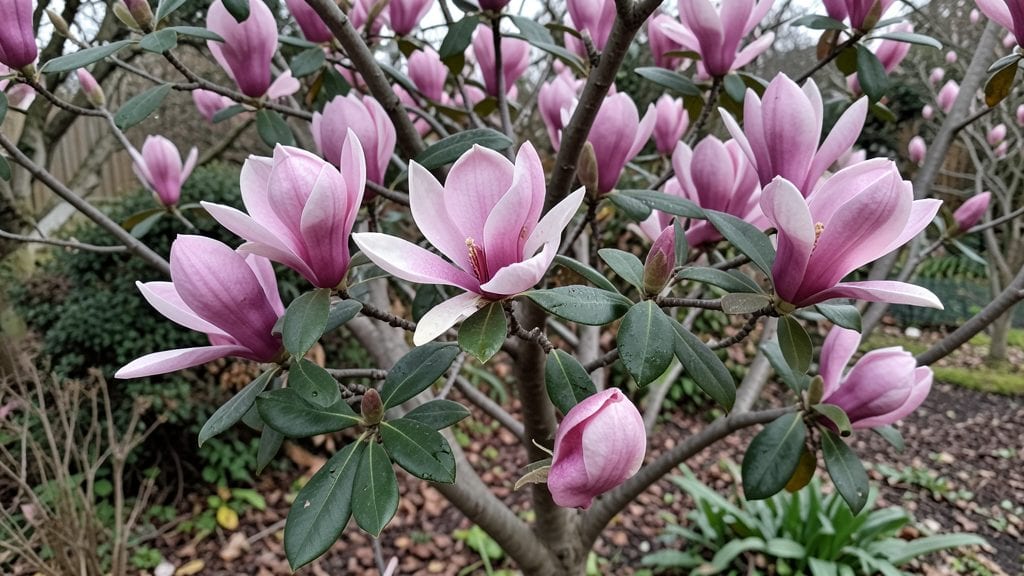
The Alexandra magnolia tree (Magnolia ×alexandrina) needs pruning to keep its blooms lush and its shape elegant—something I learned after my first overzealous attempt left it looking like a sad, tangled mess.
This hybrid beauty thrives when you prune just after flowering, but timing is everything: cut too late, and you risk losing next year’s blossoms. The key is patience and precision, not brute force.
You’ll need sharp pruners, a ladder (for higher branches), and a clear morning to work—cloudy days help avoid stressing the tree. Focus on removing dead wood first, then thin out crowded branches to improve airflow.
The goal isn’t to turn it into a topiary but to encourage strong growth and those iconic, fragrant flowers. I’ve seen this magnolia go from struggling to showstopping in just two seasons with the right cuts.
By summer, you’ll notice new growth where you pruned, and by next spring, the tree will reward you with even more blooms. The foliage stays glossy and vibrant, and the scent?
Unmatched. It’s the kind of tree that makes neighbors pause and ask, “What’s that?”—and your answer will be, “The Alexandra magnolia I pruned right.”
Works in zones 4-9, handles both sun and partial shade, and pairs beautifully with azaleas or hydrangeas. The pruning method scales from small yards to large landscapes—just adjust the tools and your ladder. Let’s get those branches looking intentional!
📚 In This Guide
- What you need
- Instructions
- Tips and common mistakes
- Wrapping up and next steps
What you need
- ● Pruning shears: Sharp, bypass-pruners (for small branches, 4–6 inches long)
- ● Loppers: For medium branches (8–12 inches), with a 6–8 foot reach
- ● Pruning saw: Curved-tooth saw for thick branches (2+ inches in diameter)
- ● Disinfectant: 70% isopropyl alcohol or a 10% bleach solution (1 part bleach to 9 parts water)
- ○ Pruning sealant: Optional, for cuts larger than ½ inch (e.g., tree wound paint)
- ● Gloves: Heavy-duty, cut-resistant gloves (to protect from thorns and sap)
- ● Ladder or step stool: Sturdy, extendable (if tree is 6+ feet tall)
- ● Heavy-duty trash bags: For collecting debris (2–3 bags per session)
- ● Hand saw: For precision cuts on stubborn branches
- ● Extension pole pruners: For high branches (10+ feet)
- ● Marking spray: Fluorescent paint to mark cuts before pruning
- ● Safety glasses: To shield eyes from debris
- ● Notebook & pen: To track pruning dates and branch notes
Instructions for pruning an Alexandra magnolia tree
Here’s the straightforward approach I use to keep Alexandra magnolias thriving with abundant blooms.
Time Your Pruning for Optimal Growth
Prune your Alexandra magnolia right after it finishes blooming in late spring, typically around May or June. This timing ensures you don’t cut off next year’s flower buds, which form on old wood. Avoid pruning in fall or winter, as the tree needs time to heal before cold weather sets in.
If you notice dead, diseased, or crossing branches at any other time, remove those immediately to prevent further damage. Just avoid heavy pruning during the growing season, as it can stress the tree and reduce flowering.
Gather the Right Tools for Clean Cuts
Use sharp, sterilized pruning tools—a pair of bypass pruners for smaller branches and a pruning saw for thicker stems. Clean your tools with rubbing alcohol before and after pruning to prevent spreading disease. Dull tools crush branches, making wounds slower to heal and inviting pests.
Keep a small bucket or bag nearby to collect debris. This keeps your workspace tidy and makes cleanup easier. I also like to wear gloves to protect my hands from thorns and rough bark.
Remove Dead, Diseased, or Weak Branches First
Start by inspecting the tree for branches that are dead, diseased, or crossing. Dead branches are brittle and snap easily when bent; diseased branches may have discolored bark, oozing sap, or fungal growth. Crossing branches rub against each other, creating wounds that weaken the tree.
Cut these branches back to a healthy bud or branch collar—the swollen area where the branch meets the trunk. Make your cuts at a 45-degree angle, about ¼ inch above the bud, to encourage proper healing and water runoff.
Thin the Canopy for Better Airflow and Light
Next, focus on thinning the canopy to improve airflow and sunlight penetration. Look for branches that grow inward or upward, as these can block light and air from reaching the center of the tree. Remove no more than 25% of the canopy in one pruning session to avoid overstressing the tree.
When thinning, cut branches back to a lateral branch or bud that faces outward. This opens up the tree and encourages a more balanced, bushier growth habit. Avoid "heading back" (cutting back to a stub), as this promotes weak, leggy growth.
Shape the Tree for Balance and Aesthetics
Finally, shape the tree to maintain its natural form while promoting future blooms. Alexandra magnolias benefit from a slightly open center to allow light and air to circulate. Focus on preserving the tree’s structural branches—these are the thicker, more robust limbs that form the skeleton of the tree.
Step back occasionally to assess your progress. The goal is to create a tree that looks full and healthy without overcrowding. Avoid excessive pruning of the lower branches, as this can leave the tree looking bare and unbalanced.
Tips & tricks for pruning an Alexandra magnolia tree
A few key insights will help you prune your magnolia like a pro without stressing the tree.
Timing is Everything: The late spring timing in Step 1 is crucial because Alexandra magnolias form flower buds on old wood. If you prune too early, you risk cutting off next year's blooms. I've seen trees lose entire seasons of flowers because of pruning too soon—don't make that mistake! If you must prune outside the May-June window, only remove dead or diseased branches immediately, never do major structural pruning.
Tool Preparation Matters: Step 2 emphasizes sharp, sterilized tools, but here's what nobody tells you—your pruning saw should be as sharp as your bypass pruners. Dull blades tear wood fibers, creating larger wounds that heal poorly. I keep a small file in my tool bag to touch up edges between uses. Also, sterilize your tools with rubbing alcohol between each cut on diseased branches to prevent spreading pathogens.
Cutting Technique Secrets: When making those 45-degree cuts in Step 3, visualize the bud you're targeting. The cut should be just outside the branch collar but above the bud so water runs off properly. I like to make a small notch above the bud first as a guide—this prevents accidentally cutting too low. For thicker branches, consider using a three-cut method: undercut, then top cut, and finally remove the branch by twisting gently.
Canopy Management: The 25% canopy removal limit in Step 4 is non-negotiable for these trees. I've learned this the hard way—removing too much at once stresses the tree and can actually reduce flowering. Think of it like a haircut: you want to shape, not thin out. For large trees, consider spreading pruning over two sessions with a month between them to minimize stress.
Pro Tips for Alexandra Magnolia Tree
- A few key insights will help you prune your magnolia like a pro without stressing the tree.
- Timing is Everything: The late spring timing in Step 1 is crucial because Alexandra magnolias form flower buds on old wood.
- Tool Preparation Matters: Step 2 emphasizes sharp, sterilized tools, but here's what nobody tells you—your pruning saw should be as sharp as your bypass pruners.
Frequently asked questions
When is the best time to prune an Alexandra magnolia?
The ideal time is late winter or early spring (February–March), just before new growth begins. This avoids disturbing blooms and promotes robust spring flowering. Light pruning after flowering (April–May) is also safe if needed, but avoid heavy cuts then.
Can I prune my Alexandra magnolia in summer?
Summer pruning is not recommended—it stresses the tree and can reduce next year’s blooms. If you must prune, stick to minimal shaping in early summer (June) and avoid cutting back more than 10% of the canopy. Wait until dormancy for major work!
Will pruning my Alexandra magnolia affect its flowers?
Pruning correctly won’t harm blooms—Alexandra magnolias flower on old wood, so focus on removing dead, crossing, or overcrowded branches. Avoid cutting back flower buds; prune just above a outward-facing bud for best results.
How much can I trim back my Alexandra magnolia?
For healthy growth, limit pruning to no more than 20–30% of the canopy per year. Heavy pruning (50%+) can shock the tree. Spread cuts over 2–3 years if major reshaping is needed. Never top the tree—it weakens structure and blooms.
What should I do if my Alexandra magnolia isn’t blooming after pruning?
Check these common culprits:
- Over-pruning: Too many cuts reduce flower buds.
- Poor timing: Pruning in late summer/fall stresses the tree.
- Nutrient deficiency: Amend soil with compost or slow-release fertilizer in early spring.
- Age: Young trees (under 5 years) may not bloom yet—be patient!
If issues persist, consult a local arborist for a health check.
Wrapping up and next steps
Pruning your Alexandra magnolia tree is the secret to keeping it vibrant, healthy, and bursting with stunning blooms year after year! 🌸 By following the right techniques—timing, tools, and gentle care—you’ll encourage lush growth and protect its delicate structure.
Whether you’re a seasoned gardener or just starting out, consistency is key.
Ready to give your magnolia the love it deserves? Start small—pick one season to practice, gather your tools, and observe how your tree responds. Before you know it, you’ll be the proud caretaker of a thriving, show-stopping magnolia that neighbors will envy! 🌿