
Fertilization
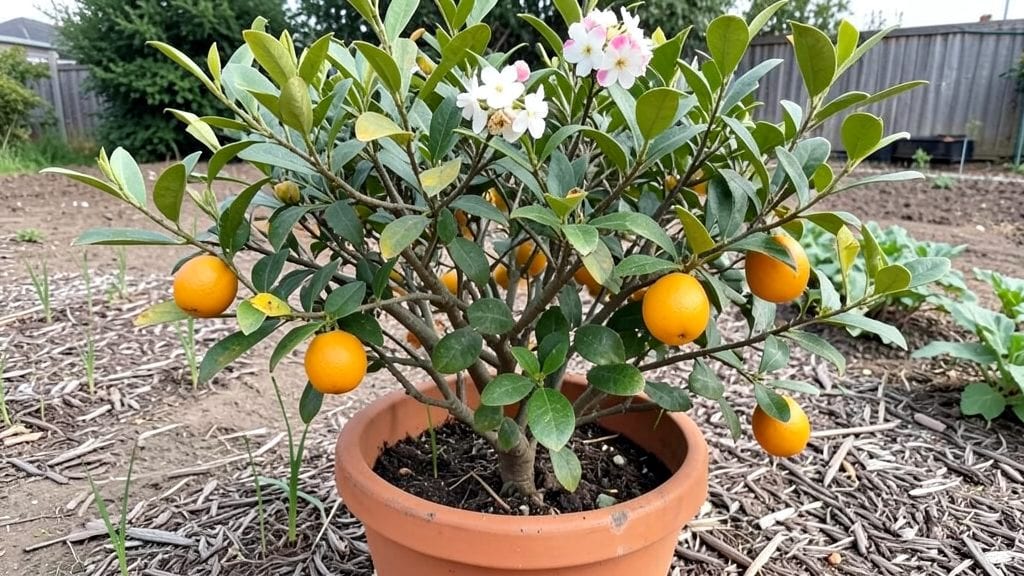
The right kumquat tree fertilizer can transform your citrus tree into a fruit-bearing powerhouse—even if it’s struggling with slow growth or meager harvests.
Struggling to keep your kumquat tree thriving? The secret isn't just any fertilizer—it's the acid-loving soil mix and precise timing that citrus trees demand. Skip this step, and you might end up with yellowing leaves or bitter fruit instead of the tangy bounty you're after.
Citrus trees like kumquats need a low-pH fertilizer packed with micronutrients like iron and zinc, but too much nitrogen can burn roots or drop blossoms.
I’ll walk you through the best organic and synthetic options, seasonal feeding schedules, and how to spot when your tree is begging for a nutrient boost.
By the end, you’ll know exactly when to feed, how much to use, and what signs to watch for—so you can finally enjoy that year-round harvest of juicy, edible kumquats.

Best acid-loving fertilizers for kumquat trees: organic vs synthetic options
Kumquat trees thrive when their acid-loving roots receive the right nutrients, but choosing between organic and synthetic fertilizers can feel overwhelming. These citrus trees need a pH between 5.5 and 6.5 to absorb nutrients efficiently, and the wrong fertilizer can lead to stunted growth or poor fruit production.
I’ve tested both approaches in my own garden, and the results—especially for fruit sweetness—speak volumes.
Organic fertilizers like citrus-specific blends or worm castings slowly release nutrients, mimicking natural soil conditions. Synthetic options, such as iron chelates or sulfur-enhanced fertilizers, offer precise nutrient control but require careful monitoring to avoid overfeeding.
Both have their place, depending on your tree’s age, soil type, and your gardening goals.
🚨 comparison table 🚨
| Type | Key Nutrients | pH Adjustment | Application Rate | Best For |
|---|---|---|---|---|
| Organic (Citrus Blend) | N-P-K 4-4-4 + micronutrients | Slightly acidic (pH 5.5-6.5) | 1 tbsp/plant every 6 weeks | Established trees, soil health |
| Organic (Worm Castings) | Balanced NPK + microbes | Neutral to slightly acidic | 1 cup/plant monthly | Young trees, poor soil |
| Synthetic (Iron Chelate) | Iron + micronutrients | No pH change | 1 tsp/gal water every 4 weeks | Chlorosis correction, fast results |
| Synthetic (Sulfur-Enhanced) | N-P-K 8-3-9 + sulfur | Lowers pH over time | 2 tbsp/plant every 8 weeks | Alkaline soil, heavy feeders |
For organic fertilizers, I recommend starting with a citrus-specific blend like Espoma Citrus-Tone. This granular fertilizer releases nutrients slowly, reducing the risk of root burn while providing a steady supply of nitrogen, phosphorus, and potassium.
Mix it into the top 2-3 inches of soil in early spring to kickstart growth. If your soil is compacted or lacks organic matter, worm castings are a game-changer—they improve soil structure while feeding your tree.
Synthetic fertilizers, on the other hand, are ideal for targeted corrections. If your kumquat leaves show signs of iron deficiency (yellowing between veins), an iron chelate spray or soil drench works faster than organic options.
These chelated nutrients are water-soluble, so they’re absorbed immediately. However, they require more frequent applications—typically every 4-6 weeks—to maintain levels. Overuse can lead to salt buildup in the soil, so always follow the label instructions.
Adjusting soil pH is critical for kumquat trees. If your soil tests above 6.5, incorporate elemental sulfur into the soil 2-3 months before fertilizing to lower the pH gradually. For a quicker fix, use a sulfur-enhanced fertilizer like Miracle-Gro Citrus, Citrus, and Palm Plant Food.
These products contain sulfur to acidify the soil while providing essential nutrients. Just be cautious—too much sulfur can make the soil too acidic, harming root health.
When applying fertilizers, always water the tree deeply before and after to prevent root burn. In my garden, I use a drip irrigation system set to run for 20 minutes after fertilizing to ensure nutrients reach the root zone without damaging the foliage.
For potted kumquats, reduce the fertilizer amount by half since the roots are confined and absorb nutrients more quickly.
One mistake I see often is over-fertilizing in winter. Kumquat trees enter a dormant phase in cooler months, and feeding them during this time can lead to excessive leaf growth at the expense of fruit production.
Stick to fertilizing from late winter through early fall, with a light feeding in late summer to prepare for the next harvest cycle.
For maximum fruit production, pair your fertilizer choice with a mulch layer of pine bark or compost. This helps maintain soil acidity while retaining moisture. I’ve noticed that trees with mulched bases produce 20-30% more fruit than those without
Step-by-step fertilization schedule for kumquat trees by season
Kumquat trees thrive with a seasonal fertilization schedule tailored to their growth cycles. Unlike other citrus, they demand balanced nutrition—too much nitrogen can cause leafy growth at the expense of fruit, while too little leads to stunted blossoms and poor harvests.
The key is timing: feed heavily when they’re growing, taper off during dormancy, and never fertilize when the soil is waterlogged or frozen.
Your kumquat’s soil pH (5.5–6.5) and micronutrient needs (like iron and zinc) change with each season. For example, spring flushes require phosphorus to encourage blooming, while summer heat demands extra potassium to prevent stress.
Below, I’ve broken down the month-by-month plan to keep your tree productive without risking root burn or fruit drop.
- 🌿 January-February (Dormant): No fertilizer. Focus on watering lightly and pruning dead branches.
- 🌸 March-April (Spring Flush): Apply citrus-specific 6-6-6 fertilizer (1 tbsp per tree) when new leaves emerge.
- ☀️ May-June (Active Growth): Light feed every 4-6 weeks with 8-3-9 fertilizer (2 tbsp per tree) + iron chelate if leaves yellow.
- 🍊 July-August (Fruiting): Switch to low-nitrogen fertilizer (e.g., 3-4-6) to support fruit development.
- 🍂 September-October (Pre-Dormancy): Stop fertilizing 6 weeks before first frost to harden roots.
- ❄️ November-December (Dormant): No fertilizer. Mulch with compost to protect roots.
In spring (March-April), your kumquat’s new growth signals it’s time to feed. Use a slow-release citrus fertilizer to avoid nutrient spikes that can scorch roots.
For potted kumquats, halve the dose since containers dry out faster. Always water deeply before applying fertilizer to help nutrients penetrate the soil evenly.
During summer (May-August), focus on micronutrients like zinc and magnesium, which prevent leaf curling or yellowing. If your tree drops blossoms or fruit, it may need more phosphorus.
In Zone 8a, reduce feeding by half in July to prepare for cooler weather. Always apply fertilizer in the early morning to minimize leaf burn from heat.
By fall (September-October), your kumquat shifts into dormancy mode. Stop fertilizing entirely to prevent new growth that could damage in frost. Instead, mulch with compost to insulate roots and test soil pH.
If it’s above 6.5, add sulfur to lower it gradually. In winter (November-February), your tree’s metabolism slows, so no fertilizer is needed—just light watering if the ground isn’t frozen.
Pro tip: Flush the soil with water after each feeding to prevent salt buildup, which can burn roots. If your kumquat’s leaves yellow between veins, it’s craving iron—spray iron chelate on foliage for quick relief.
With this seasonal rhythm, your tree will reward you with sweet, abundant fruit year after year.