
Flowers
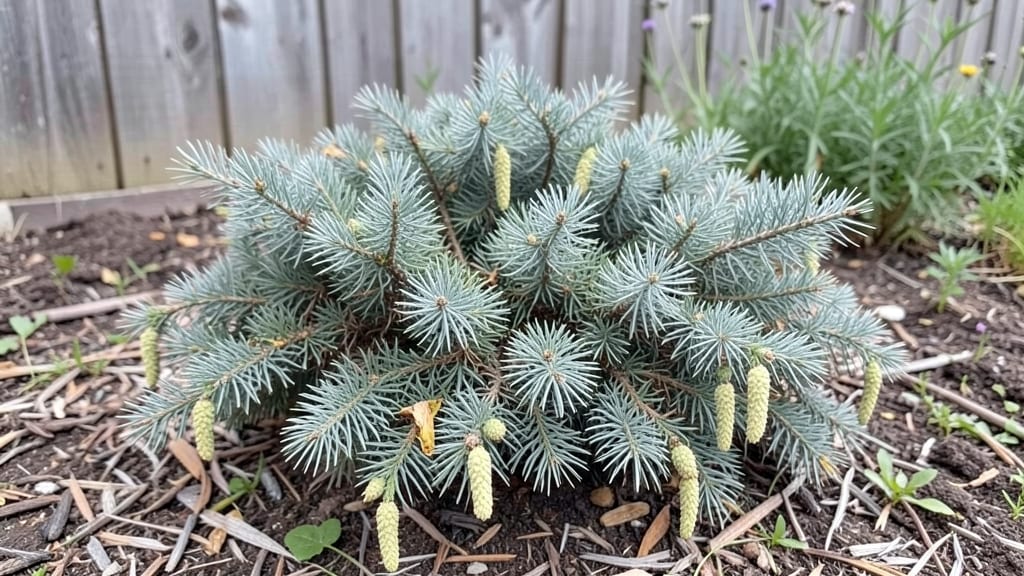
Juniper tree flowers aren't the flashy stars of the garden, but those tiny, fragrant blue-green blooms in early spring are the secret to everything that follows. 🌿 I've watched my own junipers go from scraggly saplings to lush, berry-laden shrubs simply by understanding how to encourage these delicate flowers—because without them, no juniper berries appear.
The key lies in patience and the right growing conditions, not some hidden horticultural trick.
Most people overlook juniper flowers because they're easy to miss—tiny, clustered, and often hidden by foliage—but they're the foundation of the plant's future. Male flowers look like dusty yellow-green catkins, while female flowers are smaller, greenish, and develop into those familiar blue berries we love.
These flowers appear in late winter to early spring, right before new growth, and they need full sun, well-draining soil, and consistent moisture to thrive. Pruning in late winter actually helps stimulate new flower growth, so don't skip it.
What you'll gain from encouraging these flowers is a juniper that produces abundant, aromatic berries—the ones birds adore and chefs crave. The berries take a full year to mature, but the flowers themselves are pollinated by the wind, so you don't need bees buzzing around.
Plus, the fragrant foliage stays attractive all year, making junipers a low-maintenance, high-reward addition to any landscape. The best part? Once established, these trees handle drought like a champ.
Whether you're growing junipers for their berries, their scent, or just their rugged charm, the flowers are the unsung heroes. Here's how to give them the conditions they need to shine—and set your juniper up for years of berry production.
The payoff starts small but builds over time, so stick with it.
📚 In This Guide
- What you need
- Instructions
- Tips and common mistakes
- Wrapping up and next steps
What you need
- ● Juniper seeds or cuttings: Choose from Juniperus communis (common juniper) or Juniperus virginiana (eastern redcedar). For seeds, buy from a reputable nursery (50–100 seeds for small gardens). For cuttings, select 4–6-inch hardwood cuttings from healthy, disease-free trees.
- ● Well-draining soil: Juniper thrives in sandy or gravelly soil with a pH of 5.0–7.0. Mix 50% native soil, 30% coarse sand or perlite, and 20% compost for optimal drainage.
- ● Containers or nursery pots: Use 4–6 inch pots for seedlings or cuttings (biodegradable pots are ideal for transplanting). Ensure pots have drainage holes.
- ● Mulch: Pine straw, gravel, or small rocks (2–3 inches deep) to retain moisture and suppress weeds.
- ● Garden trowel or shovel (for planting and soil prep).
- ● Pruning shears (sterilized with rubbing alcohol for cuttings).
- ● Spray bottle or watering can (with a fine mist setting for seedlings).
- ○ pH testing kit (optional but helpful for soil adjustments).
- ● Fertilizer: Slow-release, low-nitrogen fertilizer (e.g., 5-10-5 ratio) or organic options like bone meal (sprinkle lightly at planting time).
- ● Sunlight: Juniper flowers need full sun (6+ hours/day). Choose a south-facing or west-facing spot.
- ● Climate: Hardy in USDA Zones 3–9. Avoid soggy, low-lying areas (juniper hates "wet feet").
- ● Patience: From seed, blooms may take 3–5 years; cuttings may flower faster (1–3 years).
- ● 🌡️ Cold stratification: For seeds, refrigerate in a damp paper towel for 30–60 days before planting to mimic winter.
- ○ ✨ Rooting hormone: Dip cuttings in hormone powder to boost root growth (optional but recommended).
- ● 🎯 Windbreak: Young plants benefit from temporary protection (e.g., a mesh screen) if in a breezy area.
Step-by-Step instructions for cultivating juniper tree flowers
Growing juniper flowers for their striking blue blooms is simpler than you’d think—just follow this straightforward approach.
🌱 Step 1: Select the Right Juniper Variety and Planting Site
Juniper trees thrive in full sun (at least 6 hours daily) and well-draining soil. Choose a female juniper (like Juniperus virginiana or Juniperus communis) for those prized blue berries—male trees produce pollen but no fruit. I always plant mine in sandy or rocky soil to prevent root rot, which is the #1 killer of young junipers.
Dig a hole twice as wide as the root ball but only as deep. The top of the root ball should sit 1 inch above ground level—this prevents waterlogging. If your soil is heavy clay, mix in 1 part sand to 3 parts native soil before planting. Junipers hate soggy feet, so drainage is non-negotiable.
☀️ Step 2: Plant and Establish Proper Spacing
Place your juniper 3-6 feet apart, depending on the mature size of the variety. Smaller cultivars like Juniperus horizontalis can go closer (3 feet), while larger types like Juniperus scopulorum need 6+ feet. Backfill the hole with native soil (no amendments) and water deeply to settle it around the roots.
Mulch with 2-3 inches of pine straw or gravel (never wood chips—they retain too much moisture). Keep mulch 6 inches away from the trunk to avoid rot. Junipers establish slowly—first year is critical. Water once a week during dry spells, but let the soil dry between waterings. Overwatering is the fastest way to kill them.
✂️ Step 3: Prune for Shape and Encourage Flowering
Juniper flowers (or berries) appear on new growth, so light pruning in late winter or early spring keeps the plant healthy. Use sharp shears to trim 1/3 of the oldest branches to encourage fresh, flowering growth. Avoid heavy pruning—junipers respond poorly to drastic cuts. I always prune just outside the branch collar for clean wounds.
For female junipers, fertilize lightly in early spring with ½ cup of 10-10-10 fertilizer spread around the drip line. Too much nitrogen delays flowering. Watch for tiny yellow-green cones (female flowers) in spring—they’ll mature into blue berries by fall. If you see no flowers after 3 years, your tree may be male or needs better sunlight.
💧 Step 4: Maintain Through the Growing Season
Junipers are drought-tolerant once established, but first-year plants need consistent moisture. Water deeply every 7-10 days during dry spells—1 gallon per plant is plenty. You’ll know it’s time when the top 2 inches of soil feel dry. Overwatering causes root rot, which kills junipers faster than anything else.
Check for spider mites or bagworms in late summer. I spray affected branches with neem oil (1 tbsp per gallon of water) if I see webbing or tiny yellow specks. Healthy junipers rarely need pesticides, but pests love stressed plants. A strong, vibrant green color means your tree is thriving—pale or yellowing foliage signals water or nutrient issues.
⏰ Step 5: Harvest and Enjoy the Blue Berries
Female juniper berries ripen in fall (September-October)—they start green, turn blue-purple, and finally deep blue when ready. Harvest by twisting small clusters off the branch (don’t cut—they regrow easily). Store in a cool, dry place for up to 6 months. These berries are edible (used in gin!) but toxic if eaten in large quantities.
Leave some berries on the tree for birds and wildlife—they’re a winter food source. If your juniper isn’t producing berries, it might be male. Swap it for a female variety next season—blue blooms are worth the wait!
Tips & tricks for cultivating juniper tree flowers
Here's what nobody tells you about growing those stunning blue juniper blooms—these tricks will help you avoid the most common pitfalls and get results faster.
Soil Drainage is Non-Negotiable: In Step 1, when you're preparing that planting hole, take an extra minute to test your soil's drainage. Fill a small container with your soil mix, add water, and time how long it takes to drain. If it takes more than 10 minutes, you need more sand or gravel. Junipers will literally die from soggy roots—this is where most beginners fail. I've seen people plant in regular garden soil and lose their trees within months from root rot.
First-Year Watering Strategy: Step 2 mentions watering once a week, but here's the secret: your first-year juniper needs consistent moisture without getting waterlogged. I use a moisture meter to check the top 2 inches of soil—water when it reads "dry." In summer heat, you might need to water every 5-6 days instead of weekly. The key is keeping the roots moist but never saturated, especially in those critical first 12 months.
Pruning Timing Matters More Than You Think: When you're ready to prune in Step 3, late winter is ideal, but there's a sweet spot: aim for just before the buds start swelling. This encourages new growth where those blue berries will form. I always prune on a dry day when temps are above freezing—wet conditions can spread disease. And remember, you're not just shaping the tree—you're encouraging flowering by removing those old branches that no longer produce.
Fertilizer Timing is Critical: That ½ cup of 10-10-10 fertilizer in Step 3 should go on in early spring, but here's the catch: don't apply it until you see new growth starting. Too early, and you'll encourage leafy growth at the expense of flowers. I wait until I see those tiny green shoots appear, then fertilize. Also, spread it evenly around the drip line—not right at the trunk. This encourages root development where you want it most.
Pro Tips for Juniper Tree Flowers
- Here's what nobody tells you about growing those stunning blue juniper blooms—these tricks will help you avoid the most common pitfalls and get results faster.
- Soil Drainage is Non-Negotiable: In Step 1, when you're preparing that planting hole, take an extra minute to test your soil's drainage.
- First-Year Watering Strategy: Step 2 mentions watering once a week, but here's the secret: your first-year juniper needs consistent moisture without getting waterlogged.
Frequently asked questions
Got questions about growing juniper tree flowers? You’re not alone! Here are some of the most common queries—plus quick answers to help you nurture those fragrant blue blooms with confidence.
Do juniper trees even have flowers?
Yes! While juniper trees are famous for their pine-like foliage, they produce tiny, insignificant-looking flowers—male cones (yellow-green) and female cones (green turning blue). The "flowers" are actually the pollen-bearing structures that later develop into the iconic blue berries.
When do juniper tree flowers appear?
Timing depends on the species, but most junipers bloom in early spring (March–April). Male flowers (pollen cones) appear first, followed by female flowers (which become berries by fall). Pro tip: If you’re not seeing flowers, your tree might be too young—patience! Most junipers take 3–5 years to flower.
Why aren’t my juniper flowers turning blue?
Blue berries need female flowers + pollination. If yours stay green, you might have:
- Only male trees (no female flowers).
- Poor pollination (plant both male/female varieties nearby).
- Immature trees (wait 5+ years).
- Environmental stress (check soil, sunlight, and water).
Fix it: Buy a pre-pollinated cultivar like ‘Blue Rug’ or ‘Sargentii’ for guaranteed color!
Can I grow juniper flowers indoors?
Juniper trees are outdoor plants, but you can grow container-friendly dwarf varieties (like ‘Blue Star’) on a sunny patio. For indoor juniper flowers, try juniper berries (harvested from outdoor trees) in dried arrangements or as a culinary garnish.
Do I need to hand-pollinate juniper flowers?
Not usually! Junipers rely on wind and insects for pollination. However, if you’re growing rare or isolated trees, gently shake branches on a warm, dry day to disperse pollen. Avoid overdoing it—nature’s got this covered!
What’s the difference between juniper flowers and berries?
| Flowers | Berries |
|---|---|
| Tiny, green/yellow cones (male) or reddish scales (female). | Fleshy, blue/purple "berries" (actually seed cones). |
| Appear spring; short-lived. | Take 1–2 years to mature; edible! |
| No scent. | Piney, aromatic when crushed. |
Fun fact: The "flowers" are the starting point for those prized berries!
Wrapping up and next steps
Growing juniper tree flowers may take patience, but the reward—those stunning fragrant blue blooms—is worth every effort! 🌿 With the right soil, sunlight, and care, you’ll enjoy their beauty and natural aroma in just three years.
Whether you’re a gardening beginner or a seasoned plant lover, this guide has given you all the tools to succeed.
Now that you’re ready to plant, take the next step—pick your spot, gather your supplies, and watch your juniper thrive! Share your progress with fellow gardeners or even experiment with companion plants for an even more vibrant garden. Happy growing! 🌱