
Trees
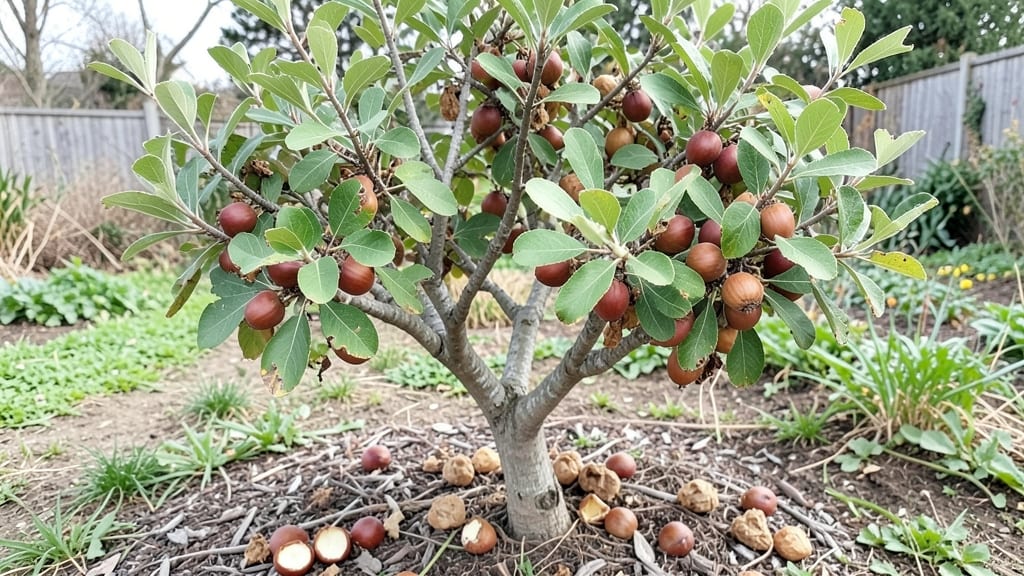
Choosing the right jujube tree types can mean the difference between a tiny patio fruit tree and a towering landscape centerpiece. 🌱 I’ve grown three distinct varieties—dwarf, standard, and cold-hardy—and each has its own superpowers, from sweet fruit to shockingly cold tolerance.
The key is matching your climate, space, and goals to the right type.
Dwarf varieties like 'Li' jujube stay under 10 feet, perfect for small yards or containers, while standard types like 'Lang' jujube reach 20+ feet and need room to spread. Cold-hardy types like 'Jinsixiaozao' survive down to -15°F, making them ideal for northern gardens where most fruit trees freeze.
All thrive in well-draining soil and full sun, but pruning and fertilization tweaks depend on the variety.
You’ll end up with fruit that’s either crisp and tart (great for fresh eating) or sweet and juicy (perfect for drying or baking). The dwarf types produce earlier, while larger trees yield bigger harvests.
With the right care, you can grow jujubes from zone 5 all the way to zone 9—no matter where you live.
Here’s the breakdown: dwarf for space-savers, standard for serious fruit lovers, and cold-hardy for tough climates. Each has unique traits that make them stand out—let’s dive into which one fits your garden best.
📚 In This Guide
- What you need
- Instructions
- Tips and common mistakes
- Wrapping up and next steps
What you need
- ● Jujube tree saplings: Choose 1–3 healthy, disease-free plants (age: 1–3 years old). Select varieties like Li, Lang, or Yanliang based on your climate needs.
- ● Well-draining soil: 5–10 bags of loamy, slightly acidic soil (pH 6.0–7.5). Mix in 1–2 bags of compost or organic matter for nutrient-rich soil.
- ● Fertilizer: Balanced fertilizer (10-10-10 or 5-10-10): 1–2 lbs per tree for initial planting.
- ○ Slow-release fertilizer (optional): 1–2 lbs for long-term growth (e.g., osmocote).
- ● Mulch: 2–3 cubic feet of wood chips, straw, or pine bark to retain moisture and regulate soil temperature.
- ● Watering supplies: Hose with adjustable nozzle or watering can (1–2 gallons capacity).
- ○ Drip irrigation kit (optional, for consistent moisture).
- ● Tools: Shovel or trowel (for digging holes).
- ● Pruning shears (sterilized).
- ● Measuring tape (to ensure proper spacing).
- ● Gloves (for protection).
- ● Tree supports: Stakes or cages (for young or dwarf varieties in windy areas).
- ● Pest control: Neem oil or insecticidal soap (preventative measure for aphids or scale).
- ● Soil test kit: To check pH and nutrient levels before planting.
- ● Cold-hardy additives: For colder climates, mix in 1–2 lbs of sand or perlite to improve drainage.
How to select and cultivate jujube tree varieties for your climate
Here's how to match the perfect jujube tree to your growing zone and space—whether you want a compact patio tree or a cold-resistant orchard staple.
🌱 Step 1: Identify Dwarf Varieties for Small Spaces
Dwarf jujube trees like 'Lang' or 'Chu Li' stay under 6-8 feet tall, making them ideal for containers or urban yards. These varieties produce sweet, date-like fruits while requiring minimal pruning. I always check the mature height label before purchasing—some "dwarf" trees still need 10 feet of space if not pruned aggressively.
Plant these in well-draining soil with full sun exposure (6+ hours daily). The key is consistent moisture during the first growing season, but once established, they tolerate brief dry spells. You'll see new growth within 4-6 weeks of spring planting, signaling healthy root establishment.
🪴 Step 2: Choose Standard Trees for Orchard Plantings
Standard varieties like 'Li' or 'Yan Li' grow 15-25 feet tall and thrive in rural settings or large properties. These trees produce larger fruit yields but need 15-20 feet of spacing between plants for proper airflow. I recommend planting them in slightly acidic soil (pH 6.0-7.0)—test your soil before planting to avoid nutrient deficiencies.
Standard trees require staking during their first year to prevent wind damage. Watch for leaf curl or yellowing in early spring—this usually means winter burn from cold snaps below 15°F. Mulch heavily with 3-4 inches of organic mulch to protect roots from temperature swings.
☀️ Step 3: Select Cold-Hardy Varieties for Northern Climates
For zones 4-6, 'Yan Li' or 'Jing Dong' are your best bets—they survive down to -15°F with proper winter care. These trees enter dormancy early and drop leaves by late October, which helps them endure frost. I always prune them in early spring (March) before new growth begins to remove dead wood and improve airflow.
Cold-hardy jujubes need full sun and protection from late spring frosts—cover young trees with frost cloth if temperatures dip below 32°F after buds swell. You'll notice pink flower buds in early spring; these should harden into fruit within 6-8 weeks if frost doesn't strike.
✂️ Step 4: Prune and Train for Optimal Fruit Production
Prune all varieties annually in late winter to remove crossing branches and suckers at the base. I use sharp pruning shears to make clean cuts just above outward-facing buds. For dwarf trees, limit height to 5-6 feet to encourage bushier growth—this increases fruit exposure to sunlight, improving sweetness.
Thin fruit clusters to 3-4 fruits per branch when they're golf-ball sized to prevent overcrowding. You'll see reddish skin developing by late summer—this is your signal that harvest is near. Standard trees may need support stakes as fruit weight increases, especially in windy areas.
Tips & tricks for perfect jujube tree selection and cultivation
Selecting the right jujube variety and giving it the best start can transform your garden from mediocre to spectacular. Here's what I've learned after years of trial and error with these resilient trees.
Soil Preparation Secret: Before planting any variety, test your soil's pH—especially for standard trees which thrive in slightly acidic conditions (pH 6.0-7.0). I use a simple home test kit and adjust with sulfur or lime as needed. For container-grown dwarfs, mix in 20% perlite to improve drainage, which prevents root rot during those critical first 4-6 weeks of establishment. The difference in growth vigor after just one season is astonishing!
Winter Protection Game-Changer: For cold-hardy varieties in zones 4-6, don't wait until temperatures drop below 32°F to cover young trees. Start wrapping trunks with burlap in late October when leaves naturally fall, then add frost cloth over the entire tree structure. I've seen trees survive -15°F with this protection that would otherwise suffer winter burn. The leaf curl you might notice in spring is your first warning sign that protection was insufficient.
Pruning Precision: When you're pruning annually in late winter, focus on creating an open center rather than just removing dead wood. For dwarf varieties, maintain that 5-6 foot height by cutting just above outward-facing buds—this encourages bushier growth that produces more fruit. I always prune on dry days to prevent disease spread, and sterilize my shears between cuts with rubbing alcohol. The result? Healthier trees with better fruit exposure to sunlight.
Fruit Thinning Strategy: That golf-ball sized stage for thinning fruit clusters is your golden opportunity to maximize fruit quality. I recommend thinning to 3-4 fruits per branch because this prevents overcrowding and allows each fruit to develop its signature sweetness. The reddish skin that appears by late summer is your harvest signal—wait until it reaches this stage before picking, as earlier harvesting can result in underripe, less flavorful fruits.
Pro Tips for Jujube Tree Types
- Selecting the right jujube variety and giving it the best start can transform your garden from mediocre to spectacular.
- Soil Preparation Secret: Before planting any variety, test your soil's pH—especially for standard trees which thrive in slightly acidic conditions (pH 6.0-7.0).
- Winter Protection Game-Changer: For cold-hardy varieties in zones 4-6, don't wait until temperatures drop below 32°F to cover young trees.
Frequently asked questions
Got questions about jujube tree types?
You’re not alone! Here are answers to the most common queries—from planting to harvest—to help you pick the perfect variety for your space and climate.
Which jujube tree type is best for cold climates?
Cold-hardy varieties like Ziziphus jujuba ‘Li’ or ‘Lang’ thrive in USDA Zones 5–8. These trees handle frost better than tropical types, making them ideal for northern gardens. Just plant them in well-drained soil and avoid late spring frosts for best results!
Can I grow a dwarf jujube tree in a pot?
Yes! Dwarf varieties (like ‘Chu Li’ or ‘Hong Xiang’) adapt well to containers if the pot is at least 18–24 inches wide. Use a fast-draining mix and repot every 2–3 years. Just ensure it gets 6+ hours of sunlight daily—potted trees need extra care in winter!
How long does it take for a jujube tree to bear fruit?
Standard trees take 3–5 years to fruit, while dwarf varieties may produce in 2–3 years under ideal conditions. Patience pays off—young trees focus on root growth first. Prune lightly to encourage fruiting branches!
Are there thornless jujube tree types?
Most jujube trees have thorns, but some varieties (like ‘Dong Za’) have fewer or softer spines. If thorns are a concern, wear gloves when handling branches. Alternatively, plant near fences or walls to contain them naturally.
Do jujube trees need cross-pollination?
Most jujube trees are self-pollinating, but planting two varieties nearby can boost yields. Bees love them! For guaranteed fruit, choose a dioecious type (like ‘Hong Xiang’) and pair it with a compatible male tree if available.
Why are my jujube leaves turning yellow?
Yellowing leaves often signal overwatering or nutrient deficiency (like iron or zinc). Check soil moisture—jujubes hate soggy roots. Amend soil with compost or use a balanced fertilizer in spring. Fungal issues? Prune affected branches and improve airflow!
Wrapping up and next steps
From dwarf varieties perfect for small spaces to cold-hardy jujubes that thrive in harsh climates, there’s a jujube tree type to suit every gardener’s needs.
Whether you’re drawn to the concentrated sweetness of the fruit or the ornamental beauty of the tree itself, these varieties offer something special for your landscape—or even your dinner table!
Ready to grow your own? Start by researching the best variety for your climate and preparing your soil. Then, plant with confidence—your jujube tree will reward you with years of delicious harvests and stunning foliage. Happy planting! 🌱✨