Pruning
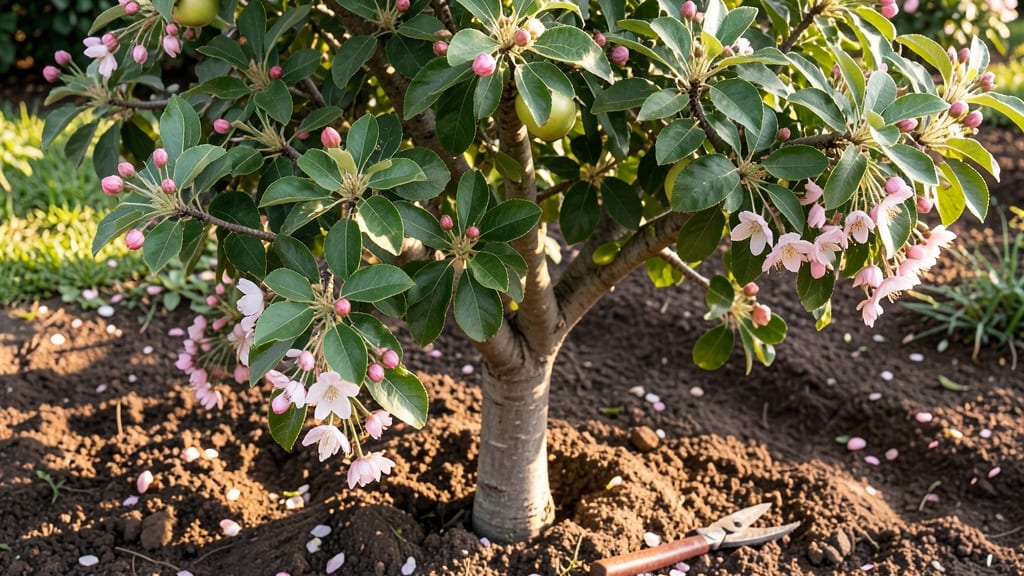
Growing a Java apple tree in your backyard means sweet, crunchy fruit and glossy foliage that doubles as living art. 🌿 I planted mine in a 5-gallon container last spring, and it’s already heavy with fruit—no orchard required.
The dwarf variety stays compact, making it perfect for patios, balconies, or small yards where space is tight.
This tropical tree thrives in USDA Zones 10-12, where temperatures stay above 30°F year-round. It loves well-draining soil mixed with compost and a sunny spot with at least 6 hours of direct light daily.
Water deeply once a week, letting the top inch of soil dry out between waterings—overwatering is the fastest way to kill it.
Pruning keeps the tree manageable and encourages more fruit. Trim back leggy branches in late winter or early spring, and remove any dead or crossing limbs.
With proper care, you’ll harvest round, caramel-colored apples that taste like a mix of pear and apple—great fresh, in jams, or even baked into desserts.
Watch for aphids or scale insects, which sometimes attack young trees. A strong spray of water or neem oil usually clears them up. And if your tree drops leaves suddenly? It’s likely thirsty—adjust your watering and it’ll bounce back in no time.
📚 In This Guide
- What you need
- Instructions
- Tips and common mistakes
- Wrapping up and next steps
What you need
- ● Pruning shears: Bypass pruners (sharp, 6-8" blades) for clean cuts on small branches. Quantity: 1 pair.
- ● Loppers: Bypass or anvil type (10-14" blades) for thicker branches (½"–1.5" diameter). Quantity: 1 pair.
- ● Pruning saw: Folding handsaw (for branches >1.5" thick). Quantity: 1.
- ● Gloves: Heavy-duty, cut-resistant (to protect hands from thorns and sharp tools). Quantity: 1 pair.
- ● Disinfectant: 70% isopropyl alcohol or bleach solution (1 part bleach:9 parts water) to sterilize tools between cuts. Quantity: Small spray bottle or wipe pack.
- ○ Pruning sealant: Tree wound paint (optional but helpful for larger cuts >½" diameter). Quantity: Small jar.
- ● Ladder or step stool: Sturdy, non-slip (if your tree is >6 ft tall). Quantity: 1.
- ● Weather check: Prune on a dry, calm day (avoid rain or wind to prevent disease spread).
- ● Tree age: Best to prune Java apple trees in their first 2–3 years for shaping, then annually for maintenance.
- ● Time of year: Late winter/early spring (just before buds swell) is ideal for dormant pruning.
- ● Tree health: Inspect for diseased or dead branches before pruning—remove these first!
- ○ Safety gear (optional but recommended): Safety glasses (to protect from debris).
- ● Long sleeves/pants (to avoid scratches from thorns).
- ● 💡 Sharpen your tools before starting—dull blades tear wood, inviting disease.
- ● 🎯 Lay down a tarp or old blanket below the tree to catch debris and make cleanup easier.
- ● 🌡️ Work in layers: Start with dead/diseased wood, then shape, and finish with fruit-spur pruning (for dwarf varieties).
Step-by-Step instructions for planting and caring for a dwarf Java apple tree
Here's how to grow this compact, high-yielding fruit tree in even the smallest yard.
🌱 Step 1: Select the Perfect Planting Site and Prepare the Soil
Java apple trees thrive in full sun—at least 6-8 hours daily—so choose a location with southern or western exposure. I always test the spot first by observing how much sunlight it gets over a week, especially during the tree's dormant months. The soil should drain well but retain moisture; if yours is heavy clay, amend with 3-4 inches of compost mixed into the top 12 inches of soil.
Dig a hole twice as wide as the root ball but only as deep. The top of the root ball should sit 1-2 inches above ground level—this prevents water pooling around the trunk. Loosen the roots gently if they're circling or bound, then place the tree in the hole and backfill with native soil mixed with 1 cup of bone meal for phosphorus to encourage root growth.
🪴 Step 2: Plant Your Dwarf Java Apple Tree with Proper Spacing
Since this variety stays under 10 feet tall, you can plant it 8-10 feet from fences or structures to allow airflow. I space mine 12 feet apart when planting multiple trees to ensure they don’t compete for nutrients. Water deeply before planting to settle the soil and eliminate air pockets around the roots.
After filling the hole, mound soil slightly around the base to create a 2-inch-high berm. This directs water toward the roots during irrigation. Press the soil gently with your hands—don’t compact it—and water again until moisture reaches 6 inches deep. Mulch with 2-3 inches of wood chips, keeping it 3 inches away from the trunk to prevent rot.
☀️ Step 3: Water and Fertilize for Strong Early Growth
Dwarf Java apple trees need consistent moisture during their first year, especially in dry, hot weather. Water deeply once a week, soaking the soil to 12 inches deep. You’ll know it’s enough when water runs out the drainage holes if planted in a container, or when the top 2 inches of soil feel moist. Avoid wetting the leaves to prevent fungal diseases like apple scab.
Fertilize lightly in early spring with a balanced 10-10-10 formula, using ½ cup per tree. I skip heavy feeding the first year—over-fertilizing stresses young roots. Instead, focus on organic matter: spread 1 inch of compost around the drip line in late fall to build soil fertility naturally.
✂️ Step 4: Prune for Shape and Airflow Beginning in Year Two
Prune your Java apple tree in late winter or early spring before buds swell. Remove dead, crossing, or inward-growing branches first—these compete for sunlight and energy. Thin the canopy by cutting back 25% of the smallest branches to improve airflow, which reduces disease risk. Use clean, sharp pruners and make cuts just outside the branch collar.
This dwarf variety responds well to open-center shaping. Aim for a rounded, vase-like form with a strong central leader. Avoid heavy pruning in summer—it stimulates tender growth that won’t harden off before frost. After pruning, apply dormant oil spray in late fall to smother overwintering pests like scale insects.
🍎 Step 5: Harvest and Maintain for Future Seasons
Java apples ripen in late summer to early fall, typically 90-120 days after bloom. Pick them when they’re firm but yield slightly to gentle pressure—they won’t soften further after harvesting. I harvest in morning hours when temperatures are coolest to preserve fruit quality. Store them in a cool, dark place for up to 2 weeks or use immediately in recipes.
After harvest, remove all fallen fruit and debris from the base to prevent pests and diseases. Rake back mulch and add another 1-2 inches of compost around the drip line. In late winter, apply 1 cup of 10-10-10 fertilizer per tree to fuel the next season’s growth. With proper care, your dwarf Java apple tree will produce abundant harvests for decades.
Tips & tricks for perfect Java apple tree cultivation
These key insights will help you maximize your dwarf Java apple tree's potential while avoiding common pitfalls that even experienced gardeners encounter.
Sunlight Strategy: The 6-8 hours of daily sunlight in Step 1 is non-negotiable, but here's the thing: morning sun is more critical than afternoon. Position your tree to receive direct sunlight between 8 AM and 12 PM. I've seen trees in full afternoon sun struggle with sunburn on the fruit—those crisp morning rays create the perfect balance of light intensity and temperature stability.
Root Ball Preparation: When loosening those circling roots in Step 1, don't just pull them apart—score them gently with your fingers or a clean knife to encourage outward growth. The 1-2 inches above ground level placement is crucial: if you bury the root flare too deeply, you'll promote rot; too high and the tree becomes unstable. I use a small stake to mark the ideal height before planting.
Watering Wisdom: That once-weekly deep watering in Step 3 needs precision. Use a moisture meter to verify the 12-inch depth—surface watering creates shallow roots. For container-grown trees, let water run through completely before stopping. In summer heat, I increase to twice-weekly watering but always check that top 2 inches remain moist, not soggy. The key is consistent moisture without waterlogging.
Pruning Precision: The 25% canopy thinning in Step 4 should target branches thinner than a pencil. When shaping that vase-like form, always make cuts just outside the branch collar—never leave stubs. I mark my cuts with a piece of chalk before making them to ensure clean, precise angles. And here's a secret: prune on a dry day when branches are flexible, not brittle.
Pro Tips for Java Apple Tree
- These key insights will help you maximize your dwarf Java apple tree's potential while avoiding common pitfalls that ...
- Sunlight Strategy: The 6-8 hours of daily sunlight in Step 1 is non-negotiable, but here's the thing: morning sun is ...
- Root Ball Preparation: When loosening those circling roots in Step 1, don't just pull them apart—score them gently wi...
Frequently asked questions
Got questions about growing a Java Apple Tree in small spaces? You’re not alone! Here are some of the most common concerns—and their answers—to help you cultivate a thriving dwarf apple tree with ease.
How often should I prune a Java Apple Tree?
A Java Apple Tree needs light pruning in late winter (before buds swell) to shape it and remove dead wood. For dwarf varieties, prune once or twice a year—focus on thinning crowded branches and opening the center for airflow. Avoid heavy cuts; these trees respond best to gentle, strategic trims.
When is the best time to plant a Java Apple Tree?
Plant your Java Apple Tree in early spring or fall when temperatures are mild. Spring planting (March–April) gives roots time to establish before summer heat, while fall (September–October) allows roots to grow before winter dormancy. Avoid planting in extreme heat or cold—root stress slows growth.
Can a Java Apple Tree survive in a pot?
Yes! Dwarf Java Apple Trees thrive in large containers (15–20 gallons) with drainage holes. Use well-draining soil and repot every 2–3 years to refresh nutrients. Place pots in full sun (6+ hours daily) and water deeply when the top inch of soil dries. Pro tip: Fertilize lightly in spring and summer for best results.
What pests or diseases should I watch for?
Java Apple Trees are disease-resistant but may attract aphids, spider mites, or codling moths. Monitor leaves for yellowing, sticky residue, or holes—early signs of trouble. Treat with neem oil or insecticidal soap for pests. Ensure good airflow (via pruning) to prevent fungal issues like powdery mildew.
How long does it take for a Java Apple Tree to bear fruit?
With proper care, a Java Apple Tree can produce fruit in 3–5 years. Dwarf varieties mature faster than standard trees. For best yields, plant two trees nearby (even if they’re the same variety) to ensure pollination. Patience pays off—once established, these trees yield abundant, sweet apples annually!
Wrapping up and next steps
Growing a Java apple tree—especially the dwarf variety—is a rewarding way to enjoy fresh, homegrown fruit in even the smallest of spaces! 🌳 With the right pruning techniques, you’ll ensure a healthy, productive tree that yields bountiful harvests year after year.
Whether you’re a beginner or a seasoned gardener, the key is patience, consistency, and a little love for your leafy companion.
Ready to take the next step? Start small: pick one pruning task this season, like shaping your tree or removing dead branches, and build from there. Before you know it, you’ll be savoring the sweet taste of success—literally! 🍏