
Picking
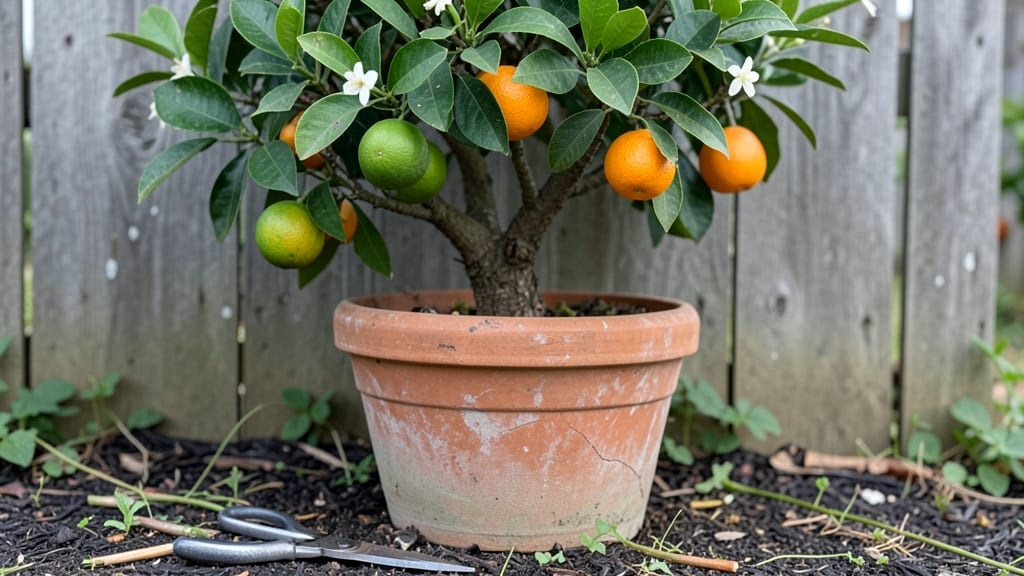
Mastering how to pick oranges from the tree at the perfect moment means juicy, sweet fruit that tastes like summer—though I learned the hard way that timing is everything. The right technique makes all the difference, whether you're reaching up for a single fruit or filling a basket.
Look for deep orange color, a slight give when gently squeezed, and that unmistakable citrus scent near the stem. A sturdy ladder and a small bucket or basket make the job safer and easier—no more dropping fruit or straining your back.
The twist-and-pull method protects both the fruit and the tree, keeping branches healthy for next season.
Once picked, store oranges at room temperature for a few days to ripen further, then move them to a cool, dark place. Watch for mold or soft spots, which mean the fruit should be used (or composted) immediately.
With the right timing and care, you'll end up with a harvest that rivals anything from the grocery store.
This method works for grapefruit, lemons, and other citrus too—just adjust for size and ripeness cues. Now grab that ladder and let's get harvesting!
📚 In This Guide
- What you need
- Instructions
- Tips and common mistakes
- Wrapping up and next steps
What you need
- ● Harvesting gloves (1-2 pairs) – Wear these to protect your hands from thorns, sap, or rough branches.
- ● Pruning shears or sharp harvest scissors (1 pair) – Look for bypass-style shears (8-12 inches long) for clean cuts without crushing stems.
- ● Ladder or sturdy step stool (1) – Choose one rated for 250+ lbs and with non-slip feet for safety on taller trees.
- ● Large harvest bags or buckets (2-3) – Use mesh or breathable fabric (10-15 gallon capacity) to prevent bruising.
- ● Sharp knife or fruit hook (1) – For stubborn or high-up fruit; opt for a curved, serrated blade (6-8 inches) or a long-handled hook.
- ● Water spray bottle (1) – Mist oranges lightly to check ripeness or cool them down on hot days.
- ● Orange picking pole – A 3-4 ft telescoping pole with a hook or claw attachment for hard-to-reach fruit.
- ● Harvesting apron with pockets – Keeps tools handy and protects clothes from sap or fruit stains.
- ● Portable fruit scale – Track your yield (bonus points if it’s solar-powered!).
- ● Sunscreen & hat – Because nothing ruins a harvest like a sunburn! Use SPF 30+ and a wide-brimmed hat.
- ● First-aid kit – For minor scrapes or thorn pricks (include antiseptic wipes and bandages).
Step-by-Step guide to harvesting oranges at perfect ripeness
Harvesting oranges at their peak takes patience and a light touch—here’s how to pick them without bruising the fruit or the tree.
Identify the Right Time to Harvest
Oranges are ready when they’ve reached their full color and yield slightly to gentle pressure. Most varieties ripen between late fall and early winter, but timing depends on your climate and the specific type of orange tree. Check the tree weekly starting in November—ripe oranges will feel firm but give just a little when pressed near the stem.
Look for fruit that’s uniformly colored and free of blemishes. If the oranges stay green at the stem end, they need more time on the tree. Avoid picking when frost is forecast, as cold temperatures can damage both the fruit and the tree’s branches.
Gather Your Tools for a Clean Harvest
You won’t need much—just your hands and a small basket or bucket to collect the fruit. A pair of pruning shears can help if branches are too thick or high, but most oranges can be picked by hand. Wear gloves if your tree has thorns or if you prefer extra grip.
Place your basket on a low surface or ladder step to avoid dropping oranges. Keep the basket stable so you can fill it without straining. A small towel or cloth can also help cushion the fruit as you pick.
Use the Twist-and-Pull Method for Safe Removal
Grasp the orange firmly near the stem, then gently twist it while pulling upward. The fruit should separate cleanly from the branch without tearing the skin. If the orange resists, it’s not yet ripe—leave it on the tree for another week. Never yank or jerk, as this can damage both the fruit and the tree.
Work your way around the tree, checking each branch for ripe oranges. Focus on the lower branches first to avoid overreaching. If you’re harvesting a large tree, take breaks to prevent fatigue—this ensures steady, careful work.
Store and Enjoy Your Fresh Harvest
Once all the oranges are picked, let them sit at room temperature for 1-2 days to fully ripen if needed. Store them in a cool, dry place away from direct sunlight. A cardboard box with air holes works well, or you can keep them in a single layer on a shelf.
Oranges picked at peak ripeness will last 2-3 weeks at room temperature or up to 2 months in the refrigerator. Avoid washing them until you’re ready to eat or juice, as moisture can shorten their shelf life.
Tips & tricks for perfect orange harvesting
Harvesting oranges at their peak is all about timing and technique—here’s how to avoid common mistakes that ruin both fruit and tree.
Seasonal Timing: In Step 1, when checking for ripeness, remember that oranges ripen gradually. If you’re in a colder climate, start checking in late November, but don’t rush—green at the stem end means they need more time. I’ve learned the hard way that frost can turn sweet oranges bitter, so always check the forecast before harvesting. Most varieties peak between Thanksgiving and Christmas, but navel oranges may stay on the tree longer.
Hand Protection: Step 2 mentions gloves, but I’ll add this: if you’re picking from a thorny tree, consider wearing long sleeves too. Fresh scratches can get infected, and the last thing you want is to spend your harvest day dealing with cuts. A small first-aid kit near your basket is a good idea—especially if you’re harvesting with kids or pets around.
Twist Technique: The twist-and-pull method in Step 3 is key, but here’s what nobody tells you—practice on a few oranges first. The goal is a clean break at the stem without tearing the skin. If you’re struggling, try twisting slightly more while pulling upward rather than just pulling straight down. This prevents bruising and keeps the fruit intact for longer storage.
Storage Secrets: After harvesting, don’t wash those oranges right away—Step 4 mentions this, but I’ll emphasize it. The natural oils on the skin protect against spoilage. If you must clean them, do it just before eating or juicing. For long-term storage, place a paper towel in your fridge storage container to absorb excess moisture and keep them fresh for the full 2 months.
Pro Tips for Pick Oranges From Tree
- Harvesting oranges at their peak is all about timing and technique—here’s how to avoid common mistakes that ruin both fruit and tree.
- Seasonal Timing: In Step 1, when checking for ripeness, remember that oranges ripen gradually.
- Hand Protection: Step 2 mentions gloves, but I’ll add this: if you’re picking from a thorny tree, consider wearing long sleeves too.
Frequently asked questions
Got questions about picking oranges? You’re not alone! Here are some of the most common queries—and their simple solutions—to help you harvest like a pro.
When is the best time to pick oranges from a tree?
The ideal time is when the fruit is fully colored, slightly soft to the touch, and easily separates from the tree with a gentle twist. Most varieties ripen between late fall and early spring, depending on your climate. Pro tip: Avoid picking in frost or extreme heat—it can affect flavor and texture!
How do I know if an orange is ripe enough to pick?
Look for these signs: bright color (no green), a slight give when pressed (not mushy), and a sweet fragrance near the stem. If it resists a gentle twist, wait a few days. Overripe oranges bruise easily, so act before they detach on their own!
What if the oranges won’t come off the tree, even when ripe?
Try these fixes: Warm the fruit in the sun for 30 minutes to loosen it, or use a small knife to carefully cut the stem (leave a tiny bit attached). If the tree is young or the branches are weak, use a fruit picker or a ladder for safety.
Can I pick oranges without damaging the tree?
Always twist gently, avoid yanking, and never climb the tree—use a sturdy ladder or picker. Prune dead branches post-harvest to encourage new growth. Bonus: Leave a few oranges on the tree to feed birds and attract pollinators!
What’s the best way to store freshly picked oranges?
Store them at room temperature for 1–2 weeks or refrigerate for up to 3 weeks. For longer storage, freeze peeled segments (great for juicing!). Warning: Never wash oranges until ready to eat—moisture speeds up spoilage.
Wrapping up and next steps
Picking oranges from your tree doesn’t have to be a challenge—just follow the gentle twist-and-pull method while keeping an eye on ripeness and season. With the right tools, a little patience, and a few pro tips, you’ll soon be harvesting juicy, flavorful fruit straight from the tree. 🍊✨
Now that you’re ready to pick, take action today! Grab your ladder, a basket, and head to your grove—whether it’s a backyard tree or a local orchard. And once you’ve got your haul, why not share the bounty with friends or family? Happy harvesting!