
How To
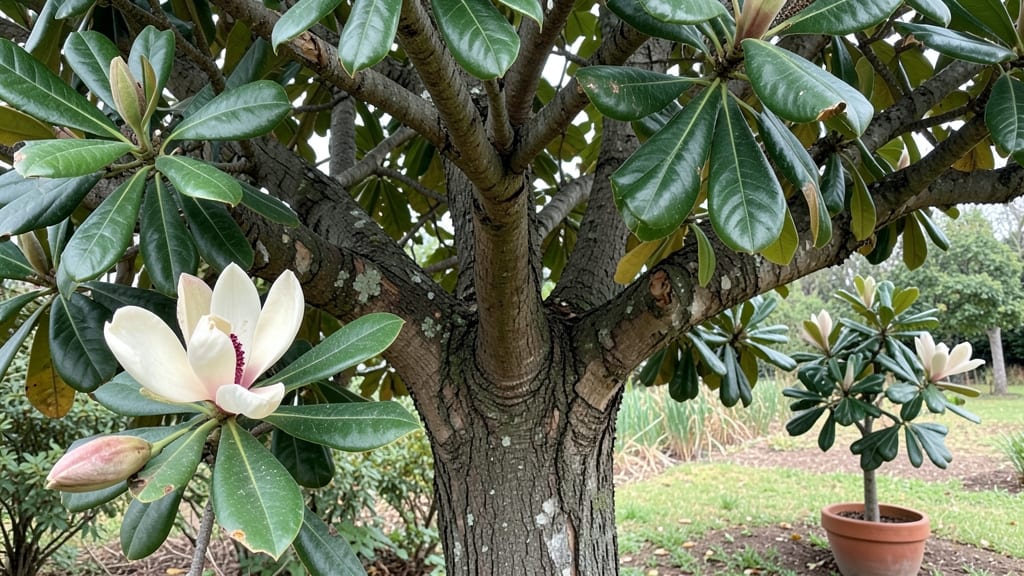
Before planting, know how tall does a magnolia tree grow—from compact 8-foot shrubs to giants over 100 feet—so your choice fits your space perfectly.
If you're dreaming of a majestic magnolia tree in your yard, knowing its mature height is crucial—some varieties soar over 100 feet while others stay compact enough for small gardens. But which one fits your space?
Whether you're eyeing the Southern Magnolia (🌺) for a grand backyard centerpiece or a dwarf variety like 'Little Gem' for a cozy patio, the right choice depends on your growing zone and available space.
Below, I break down exact height ranges by species, how climate affects growth, and simple tricks to keep even the tallest varieties in check—so you can plant with confidence.


Magnolia tree height by popular variety: exact growth charts
Choosing the right magnolia variety means understanding their mature heights—some tower over your home while others fit neatly in small yards. The Southern Magnolia can reach 80-100 feet, while the Star Magnolia stays compact at 15-25 feet.
Your space and climate will determine which variety thrives best in your garden. Let’s break down the exact height ranges for 12+ popular magnolias so you can plan accordingly.
Magnolia heights vary dramatically based on species, with some reaching skyscraper proportions and others perfect for container gardening. For example, the Saucer Magnolia typically grows 20-30 feet, making it ideal for medium-sized yards.
Meanwhile, the Little Gem dwarf variety maxes out at 12-15 feet, perfect for urban gardens or patios. Below, you’ll find a detailed comparison to help you visualize each variety’s mature size.
🌺
How growing Zones affect magnolia tree height (and how to adjust)
Your USDA growing zone plays a surprisingly big role in how tall your magnolia tree will grow. Cold-hardy varieties like Magnolia stellata thrive in Zones 4-8, while tropical species such as Magnolia grandiflora prefer Zones 7-10.
If you're in Zone 6, you might struggle with giant varieties—here's why and how to adapt.
Tropical magnolias, like Southern magnolia, grow 60-80 feet tall but can suffer frost damage in Zone 6. Meanwhile, Star magnolia stays compact at 15-25 feet, making it ideal for colder climates. Understanding these differences helps you choose the right variety for your space and climate.
Here’s how growing zones impact height potential for popular magnolias:
| Variety | USDA Zones | Mature Height | Cold Hardiness |
|---|---|---|---|
| Magnolia stellata (Star) | 4-8 | 15-25 ft | Extreme cold |
| Magnolia grandiflora (Southern) | 7-10 | 60-80 ft | Sensitive to frost |
| Magnolia × soulangeana (Saucer) | 4-9 | 20-30 ft | Moderate cold |
| Magnolia 'Little Gem' (Dwarf) | 7-10 | 8-15 ft | Moderate cold |
| Magnolia virginiana (Sweetbay) | 5-9 | 30-40 ft | Cold-tolerant |
If you live in Zone 6 and want a tall magnolia, consider Magnolia virginiana, which handles colder temps better than Southern magnolias. For Zone 9, you can grow giant varieties like Magnolia grandiflora without frost risks. Always check the minimum winter temperatures for your chosen variety.
To control height in limited spaces, prune in late winter or early spring before new growth starts. Focus on removing suckers at the base and thinning overcrowded branches. Avoid heavy pruning—magnolias respond poorly to aggressive cuts, which can stunt growth or damage the tree.
For Zone 6-7 gardeners, dwarf varieties like 'Little Gem' or 'Black Tulip' are perfect for small yards. These stay under 15 feet while still offering stunning blooms.
If you love the look of a giant magnolia but lack space, consider container growing—just ensure it gets enough partial shade and well-draining soil.
🌿