
Flowers
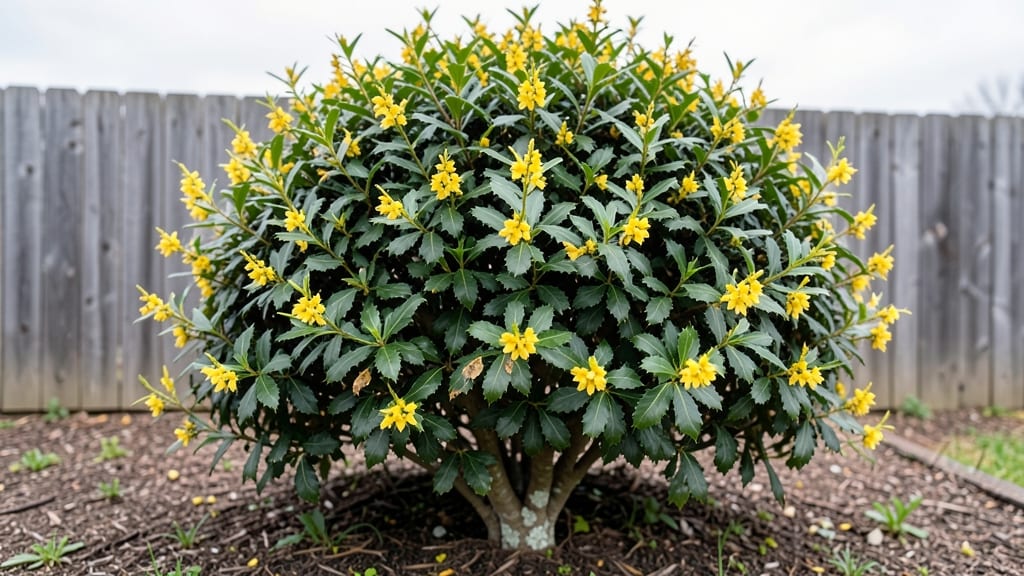
This holly tree with yellow flowers is the unexpected star of pollinator gardens—bright blooms that catch bees and butterflies while keeping the holly’s signature spiky charm. 🌿 I planted mine as a dramatic focal point near the patio, and now it’s the first thing guests notice when they walk up the path.
The golden flowers stand out against the deep green leaves, creating a sunlit contrast that feels like a highlight reel of spring.
Pair it with purple salvia or lavender for a striking color combo, or let it shine alone as a bold hedge with its glossy foliage. These trees thrive in full sun to partial shade, making them perfect for mixed borders or as a standout specimen.
The best part? Their berries add winter interest, so you get year-round drama without extra effort.
You’ll love how effortlessly it elevates any garden—whether you’re going for cottage charm or modern structure. The flowers attract pollinators all season, and the glossy leaves stay vibrant even in heat waves.
Just give it space to grow (they can reach 15-25 feet) and watch it become the talk of the neighborhood.
Works beautifully in formal gardens, wildflower meadows, or even as a striking container specimen. Here’s how to make it the centerpiece of your outdoor space without overcomplicating things.
📚 In This Guide
- What you need
- Instructions
- Tips and common mistakes
- Wrapping up and next steps
What you need
- ● Holly Tree Seedlings or Cuttings: 1–3 Ilex verticillata or Ilex × 'Nellie R. Stevens' (yellow-flowering varieties) seedlings (3–6 inches tall).
- ● OR 3–5 healthy cuttings (4–6 inches long, with 2–3 leaf nodes).
- ● Well-Draining Soil: 5–10 gallons of a mix of: 60% topsoil (sandy loam ideal).
- ● 30% compost (for nutrients).
- ● 10% perlite or coarse sand (for drainage).
- ● Container or Garden Bed: For seedlings: 5–7 gallon pots (with drainage holes) or a 3’x3’ garden bed.
- ● For cuttings: 1–2 gallon propagation trays with clear plastic domes.
- ● Gardening Gloves (1 pair, water-resistant).
- ● Trowel or Small Shovel (for transplanting).
- ● Pruning Shears (sterilized, for cuttings).
- ● Spray Bottle (for misting cuttings).
- ○ pH Tester Kit (optional but helpful—ideal soil pH: 5.0–6.0).
- ● Mulch (2–3 inches of pine straw or shredded bark to retain moisture).
- ● Sunlight: A spot with full sun to partial shade (6+ hours of sunlight daily).
- ● Water Access: A hose or watering can with a fine rose attachment.
- ● Patience: Holly trees grow slowly—expect 3–5 years for full flowering!
How to grow a holly tree with yellow flowers for a pollinator-friendly garden
Here's how to cultivate these striking yellow-blooming hollies—perfect for adding color and attracting bees.
🌱 Step 1: Select the Right Variety and Planting Site
Yellow-flowering hollies like Ilex x 'Nellie R. Stevens' or Ilex verticillata 'Sparkle' thrive in full sun to partial shade. Choose a site with 6+ hours of sunlight daily and well-draining soil. These trees grow 10-20 feet tall, so plant them 15-20 feet apart from other trees and structures to allow for mature spread.
Before planting, test your soil's drainage. Hollies hate soggy roots, so amend heavy clay with 2-3 inches of compost mixed into the top 12 inches of soil. If your soil is sandy, add a 50/50 mix of compost and peat moss to retain moisture without suffocating roots.
☀️ Step 2: Plant at the Right Time and Depth
Plant your yellow-flowering holly in early spring or fall, when temperatures are mild (50-70°F). Dig a hole twice as wide as the root ball but no deeper—planting too deep can suffocate the roots. Gently remove the tree from its container and loosen any circling roots with your fingers.
Place the holly in the hole so the top of the root ball sits 1-2 inches above ground level. This ensures proper drainage and prevents water from pooling around the stem. Backfill with native soil, tamping lightly every 2 inches to eliminate air pockets. Water deeply to settle the soil around the roots.
💧 Step 3: Water and Mulch for Healthy Growth
Water your new holly deeply once a week for the first 2 months, providing 1-2 gallons per watering depending on pot size. Check moisture by sticking your finger 2 inches into the soil—if it feels dry, it’s time to water. Avoid overhead watering, which can promote fungal diseases like powdery mildew.
Apply a 2-3 inch layer of mulch around the base, keeping it 3 inches away from the trunk to prevent rot. Use shredded bark or pine straw—both retain moisture and regulate soil temperature. Replenish mulch annually to maintain its protective layer.
✂️ Step 4: Prune and Fertilize for Vibrant Blooms
Prune your holly in late winter or early spring before new growth begins. Remove any dead, diseased, or crossing branches first. Then, shape the tree by cutting back overgrown branches to ½ their length, focusing on maintaining an open canopy. This encourages airflow and better bloom production.
Fertilize in early spring with a balanced, slow-release fertilizer (10-10-10 or similar). Apply ½ cup per inch of trunk diameter around the drip line, then water thoroughly. Avoid high-nitrogen fertilizers—they promote leafy growth at the expense of flowers. Repeat in mid-summer for sustained blooming.
🐝 Step 5: Support Pollinators Year-Round
Yellow-flowering hollies attract bees, butterflies, and hummingbirds, especially when planted alongside native pollinator favorites like coneflowers or butterfly bush. Leave some seed clusters on the tree in fall—they provide food for birds and small mammals. Avoid pesticides entirely, as they harm beneficial insects.
In late winter, lightly rake the mulch to expose fresh soil and deter pests. If you notice aphids or spider mites, spray the tree with a soapy water solution (1 tablespoon mild dish soap per gallon of water). This keeps your holly healthy without harming pollinators.
Tips & tricks for perfect holly tree with yellow flowers
Growing vibrant yellow-flowering hollies takes more than just planting—here are my hard-won secrets for thriving trees that bloom beautifully and support pollinators.
Soil Preparation Secret: Before planting, I always dig a test hole to check drainage. If water pools after 30 minutes, your site needs amending. For heavy clay soil, mix in 2-3 inches of compost down to 12 inches deep—this improves aeration while retaining moisture. Sandy soil? The 50/50 compost-to-peat moss mix creates the perfect balance. Don't skip this step—hollies will reward you with healthier roots and more abundant blooms.
Planting Depth Technique: The 1-2 inch elevation above ground level for the root ball might seem small, but it's crucial. Too deep suffocates roots, while too shallow exposes them to temperature swings. I like to use a level to check—just make sure the top of the root ball sits slightly higher than the surrounding soil after backfilling. This simple adjustment prevents years of waterlogging issues.
Watering Wisdom: Those first 2 months are critical—your holly's root system is establishing itself. I measure 2 inches deep into the soil with my finger; if it feels dry, it's time to water. Pro tip: Use a rain gauge or tuna can (marked with measurements) to deliver the 1-2 gallons consistently. Overhead watering spreads disease, so always water at the base.
Pruning Pro Tip: When shaping in Step 4, I cut branches back to ½ their length but always make cuts just above a leaf bud. This encourages new growth from the right spot. For yellow-flowering varieties, avoid heavy pruning in late summer—you'll sacrifice next year's blooms. Timing matters more than you'd think for these pollinator magnets.
Pro Tips for Holly Tree With Yellow Flowers
- Growing vibrant yellow-flowering hollies takes more than just planting—here are my hard-won secrets for thriving trees that bloom beautifully and support pollinators.
- Soil Preparation Secret: Before planting, I always dig a test hole to check drainage.
- Planting Depth Technique: The 1-2 inch elevation above ground level for the root ball might seem small, but it's crucial.
Frequently asked questions
Got questions about the stunning holly tree with yellow flowers? You’re not alone! Here are some of the most common queries—plus quick, practical answers to help you grow and enjoy these sunlit beauties with confidence.
What’s the best way to identify a holly tree with yellow flowers?
Look for Ilex verticillata ‘Southern Sun’ or Ilex × ‘Nellie R. Stevens’—both feature vibrant yellow blooms in spring. Check for glossy, spiny leaves (though some varieties are spineless) and bright red berries in fall/winter. Pro tip: Compare with native hollies like Ilex opaca (traditional red berries) to confirm!
When do holly trees with yellow flowers bloom, and how long does it last?
Yellow-flowering hollies typically bloom in late spring to early summer (May–June), with clusters lasting 2–4 weeks. For extended blooms, choose ‘Southern Sun’—its flowers may linger longer due to its compact, dense growth. Bonus: Plant near pollinators like bees and hummingbirds for a lively garden!
Can I grow a yellow-flowering holly in a container?
Yes! Dwarf varieties like ‘Nellie R. Stevens’ thrive in 15–20 gallon containers with well-draining soil. Use a mix of potting soil and perlite, and repot every 2–3 years. Place in full sun to partial shade (6+ hours of light daily). Watch for: Root-bound roots or leggy growth—prune back by ⅓ if needed!
Why aren’t my yellow holly flowers attracting pollinators?
Pollinators love yellow hollies—but if they’re skipping yours, check these fixes:
- Timing: Ensure blooms align with local pollinator activity (spring/summer).
- Location: Plant near native flowers (e.g., coneflowers, milkweed) for a buffet effect.
- Pesticides: Avoid harsh chemicals—opt for neem oil or insecticidal soap instead.
- Water: Light, frequent watering keeps flowers hydrated and fragrant.
What’s a great alternative if I can’t find a yellow holly?
Try these pollinator-friendly, yellow-flowering shrubs:
Plant
Bloom Time
Height
Forsythia (‘Spring Glory’)
Early spring
6–8 ft
Spirea (‘Goldflame’)
Spring–summer
3–5 ft
Butterfly Bush (‘Lemonilicious’)
Summer–fall
4–6 ft
Wrapping up and next steps
Discovering the holly tree with yellow flowers is like inviting sunshine into your garden—bright, bold, and brimming with life! 🌸 These stunning plants not only add vibrancy but also support pollinators while offering year-round interest.
Whether you’re a seasoned gardener or just starting, this sunlit beauty is a game-changer for any outdoor space.
Ready to transform your garden? Start by researching the best varieties for your climate, then take the plunge—plant, nurture, and watch your space bloom with effortless elegance. Your pollinator-friendly haven awaits! 🌿