
Trees
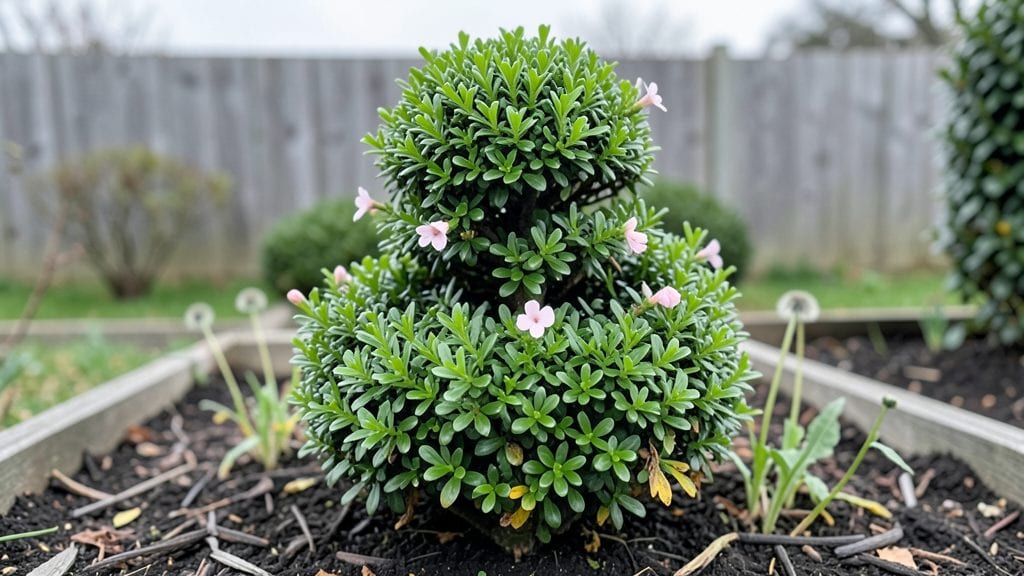
Topiary flowering trees turn your garden into a living sculpture gallery that never stops blooming. 🌿 I’ve shaped roses into spirals and flowering cherries into elegant domes, and the transformation is nothing short of magical—especially when those same plants burst with color every spring.
The key isn’t just pruning; it’s choosing the right tree for your space and climate, so the effort pays off in bold, year-round interest.
You’ll need sharp pruners, a sturdy ladder, and a vision—whether that’s a classic spiral, a whimsical animal shape, or a modern geometric form. Start with trees like Japanese maples, flowering quince, or even crepe myrtles, which take pruning beautifully and reward you with vibrant blooms.
The best part? These trees blend seamlessly with perennials, shrubs, or even climbing roses, creating layers of texture and color that keep evolving with the seasons.
Imagine stepping into your garden and seeing your carefully shaped trees draped in blossoms while their foliage stays lush and green. With the right pruning schedule—typically in late winter or early spring—you’ll maintain that polished look without sacrificing blooms.
The payoff is a garden that feels both timeless and uniquely yours, where every season brings something new to admire.
Works in formal gardens, cottage-style yards, or even urban spaces with containers. The designs are only limited by your creativity—and the tree’s natural growth habits. Let’s get shaping!
📚 In This Guide
- What you need
- Instructions
- Tips and common mistakes
- Wrapping up and next steps
What you need
- ● Flowering Tree Saplings: Choose slow-growing varieties like Buxus sempervirens (Boxwood), Lagerstroemia indica (Crapemyrtle), or Forsythia. Select 1–3 plants, depending on your design scale.
- ● Pruning Shears: Bypass pruners (for clean cuts) or concave-cut shears (for shaping). Ensure blades are sharp and sanitized.
- ● Hand Pruners: Small, precise tools for intricate detailing (e.g., Felco F-2 or Corona Tools).
- ● Hedge Trimmers: Electric or cordless (e.g., Black & Decker or WORX) for bulk trimming. Battery life: 4+ hours.
- ● Topiary Wire: Copper or aluminum, 18–22 gauge, for structural support. Length: 2–3x the tree’s height.
- ● Twist Ties or Clips: Plastic or fabric, to secure wire without damaging bark.
- ● Support Stakes: Bamboo or metal, 3–4 ft tall, for young trees during shaping.
- ● Garden Gloves: Cut-resistant (e.g., Felco or Tiger Claw) to protect hands.
- ● Measuring Tape: Flexible, 10–15 ft, for precise dimensions.
- ● Spray Bottle: For misting plants during hot days (16 oz, with fine mist nozzle).
- ● Topiary Paste: Non-toxic, water-based (e.g., Topiary Wax) to hold shapes temporarily.
- ● Plant Food: Slow-release granules (e.g., Osmocote) or liquid fertilizer (20-20-20 ratio).
- ● Mulch: Organic (pine bark) or inorganic (gravel), 2–3 inches deep, to retain moisture.
- ● Garden Twine: For securing loose branches during initial shaping.
- ● Reference Photos: Printed or digital images of your desired topiary design (e.g., spirals, animals, or geometric shapes).
- ● Safety Goggles: To protect eyes from debris during heavy trimming.
Step-by-step guide to creating topiary flowering trees
Transform ordinary trees into living art with these precise steps for shaping and blooming.
🪴 Step 1: Select the Right Tree and Pruning Tools
Start with a young, flexible tree like a lilac, forsythia, or boxwood—these respond best to topiary shaping. I always choose trees with a strong central leader and multiple branches for structure. Gather your tools: sharp bypass pruners for clean cuts, concave cutters for larger branches, and a hand saw if you're working with thicker stems.
Sterilize your tools with rubbing alcohol to prevent disease spread. The reason for this is that open wounds on trees are vulnerable to infections. Wear gloves to protect your hands from sap and thorns. This is the moment that matters: selecting a healthy, disease-free tree ensures your topiary thrives for years.
✂️ Step 2: Establish the Basic Shape and Remove Dead Growth
Begin by removing any dead, diseased, or crossing branches. Cut just outside the branch collar where the branch meets the trunk. Next, establish the overall shape—whether it's a spiral, globe, or formal design. I like to sketch my design lightly on paper first to visualize the final look.
Use your pruners to make angled cuts at a 45-degree angle about ¼ inch above a leaf node or outward-facing bud. This encourages new growth in the right direction. For larger branches, make a small notch on the underside of the branch before cutting through completely to prevent tearing. You'll see fresh green growth within 4-6 weeks—that's your signal everything is working.
🌿 Step 3: Refine the Design and Encourage Fullness
Once the basic shape is established, focus on refining the details. For a spiral design, use your pruners to create gentle curves along the trunk. For a globe shape, trim the outer edges evenly to maintain symmetry. I always step back every few cuts to check the balance from all angles.
Pinch back new growth regularly to encourage bushier growth. This means snipping off the tips of new shoots with your fingers or pruners. The goal is to stimulate side branches, which will fill out your design. Water deeply after pruning to help the tree recover. You'll notice denser foliage within 8-12 weeks, transforming your tree into a lush, sculpted masterpiece.
☀️ Step 4: Maintain Light, Water, and Fertilizer for Blooms
Topiary flowering trees need full sun (6-8 hours daily) to produce vibrant blooms. If your tree isn't flowering as expected, it might need more light. Water deeply once a week during dry spells, ensuring the soil stays moist but not soggy. Overwatering can lead to root rot, which weakens the tree and reduces flowering.
Apply a balanced, slow-release fertilizer in early spring and again in mid-summer to support healthy growth and blooming. I like to use a 10-10-10 formula for general-purpose feeding. Avoid high-nitrogen fertilizers, which promote leafy growth at the expense of flowers. Watch for new buds forming in late winter or early spring—this is your cue that your tree is thriving.
⏰ Step 5: Schedule Seasonal Pruning for Year-Round Beauty
Prune lightly in early spring to shape the tree before new growth begins. This keeps the design crisp and encourages strong, healthy growth. In late winter, prune again to remove any dead or weak branches and to shape the tree for the coming season. I always prune just before buds begin to swell—this ensures you're cutting back old growth without harming new shoots.
For flowering trees, avoid heavy pruning in fall or winter, as this can reduce next year's blooms. Instead, focus on light maintenance pruning to keep the shape tidy. With consistent care, your topiary flowering tree will reward you with year-round elegance and seasonal blooms. Real talk: the first year is about establishing the shape, but the real magic happens in the years that follow as your tree matures into a stunning, sculpted centerpiece.
Tips & tricks for perfect topiary flowering trees
Transforming a tree into a stunning topiary takes patience and precision—but these tricks will help you avoid common pitfalls and create a masterpiece that lasts for years.
The Tree Selection Secret: Don't just grab any young tree! Look for ones with a strong central leader (the main upward-growing branch) and multiple side branches. Lilacs and boxwoods are my top picks because they respond beautifully to shaping. I once bought a tree with a weak leader, and no matter how much I pruned, it never held its shape properly. The first year is all about establishing that solid foundation.
Pruning Technique That Changed Everything: When making angled cuts at a 45-degree angle in Step 2, imagine you're cutting just outside the branch collar where it meets the trunk. This prevents unsightly stubs and encourages new growth. For larger branches, make that small notch on the underside first—it's like creating a hinge that prevents tearing. I learned this the hard way after struggling with messy cuts that took months to heal.
Design Tip: Sketch your design on paper first! I can't emphasize this enough—it saves hours of trial and error. Whether you're going for a spiral, globe, or formal topiary, having a reference keeps you consistent. I like to use a simple pencil sketch and hold it next to the tree as I work. This visual guide helps me maintain symmetry and proportions, especially when I step back to check my progress.
Seasonal Care Calendar: Mark these dates on your calendar: early spring for light shaping prunes, late winter for heavy pruning before buds swell, and mid-summer for that second fertilizer application. Avoid heavy pruning in fall or winter—it can reduce next year's blooms. I keep a small garden journal to track my pruning schedule and watering notes, which helps me spot patterns in my tree's growth.
Pro Tips for Topiary Flowering Trees
- Transforming a tree into a stunning topiary takes patience and precision—but these tricks will help you avoid common pitfalls and create a masterpiece that lasts for years.
- The Tree Selection Secret: Don't just grab any young tree!
- Pruning Technique That Changed Everything: When making angled cuts at a 45-degree angle in Step 2, imagine you're cutting just outside the branch collar where it meets the trunk.
Frequently asked questions
Got questions about topiary flowering trees?
You’re not alone! Here are some of the most common queries—plus expert answers to help you master this artful gardening style.
What’s the best time of year to prune topiary flowering trees?
Prune after flowering (late spring to early summer) to avoid cutting off blooms. For evergreen topiary, shape lightly in late winter or early spring. Pro tip: Use sharp, sterilized shears and prune gradually—never remove more than ⅓ of the foliage at once!
Can I grow topiary flowering trees in containers?
Dwarf varieties like Forsythia or Weigela thrive in containers with well-draining soil. Choose pots 12–18 inches deep, and repot every 2–3 years. Key: Ensure the container has drainage holes and use a slow-release fertilizer to support growth.
How do I protect topiary trees in winter?
Wrap young or tender topiary in burlap or frost cloth to shield from harsh winds and frost. Mulch the base with 2–3 inches of organic matter (like shredded bark) to insulate roots. Bonus: Avoid heavy snow buildup—gently brush it off to prevent branch damage.
Why aren’t my topiary trees flowering?
Common culprits include over-pruning, poor sunlight (most need 6+ hours daily), or nutrient deficiencies. Check for pests like aphids or mites, and fertilize with a balanced formula in early spring. Quick fix: Move the tree to a sunnier spot and reduce aggressive pruning.
What’s a low-maintenance alternative to traditional topiary?
Consider boxwood (evergreen, drought-tolerant) or Lavender (fragrant, drought-resistant). Both handle pruning well and add texture without demanding constant shaping. Perfect for: Busy gardeners who want structure with less effort!
Still stumped? Drop your question in the comments—we’re happy to help your topiary thrive!
Wrapping up and next steps
Transforming your outdoor space with topiary flowering trees is a rewarding journey that blends artistry and nature. These stunning creations not only add year-round beauty but also elevate your garden’s charm with their sculpted elegance.
Whether you're a seasoned gardener or just starting, the key is patience, creativity, and a love for nurturing living art.
Ready to bring your vision to life? Start small—pick a beginner-friendly tree like a boxwood or lilac, gather your tools, and let your green thumb guide you. With each pruning session, you’ll watch your masterpiece bloom, one carefully shaped leaf at a time. 🌿✨