Trees
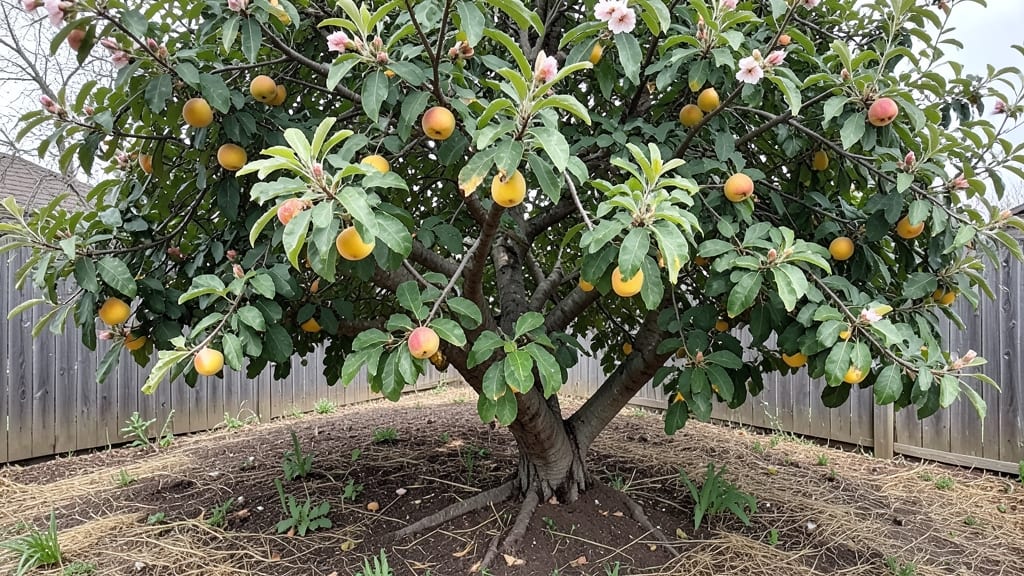
Harvesting a peach tree at the perfect moment means the difference between sweet, juicy fruit and bland, mealy disappointment.
Peach trees reward patience with sweet, juicy fruit—but timing your harvest wrong can mean mealy texture or wasted labor. Mastering the perfect moment to pick peaches transforms your orchard from ordinary to extraordinary.
Knowing when to harvest isn’t just about color; it’s about texture, scent, and even how the fruit separates from the tree. In USDA Zone 6a, the best window stretches from late July through September, but missing it by even a few days can ruin your crop.
In this guide, I’ll walk you through the key signs of ripeness, the tools you’ll need, and how to handle your peaches once they’re off the tree—so you end up with the best flavor and zero waste.


When to harvest peaches: signs of peak ripeness by variety
Harvesting peaches at the perfect moment ensures maximum flavor and texture. Unlike apples, peaches don’t ripen well off the tree, so timing is everything. I’ve learned that three key indicators—color, firmness, and stem separation—determine when to pick.
But did you know different peach varieties ripen at slightly different times? Let’s break it down by type and region.
Southern growers in USDA Zones 7-9 often harvest peaches 2-4 weeks earlier than Northern growers in Zones 5-6. That’s because warmer climates accelerate ripening. For example, my Elberta peach tree in Georgia ripens in mid-July, while the same variety in Michigan waits until early September.
Always check your local frost dates—peaches won’t ripen properly after a frost.
Now, let’s talk variety-specific cues. Freestone peaches (like Redhaven) release easily from the pit, while clingstone types (like Suncrest) stay attached. Heirloom varieties often have unique color patterns—think blushes or stripes—that signal ripeness. Here’s how to spot the perfect peach, no matter the type.
🌱
| Variety Type | Color Cues | Firmness Test | Stem Separation | Southern vs. Northern |
|---|---|---|---|---|
| Freestone (e.g., Redhaven) | Full red/yellow, no green | Yields slightly to thumb | Twists off easily | Southern: July; Northern: Aug-Sept |
| Clingstone (e.g., Suncrest) | Deep orange-red blush | Firm but not hard | Pulls away cleanly | Southern: June-July; Northern: Late Aug |
| Heirloom (e.g., Donut) | Striped or mottled | Softens near stem | Gentle twist releases | Southern: Late July; Northern: Sept |
| White-Fleshed (e.g., Snow Queen) | Pale yellow-green | Slightly softer than red | Separates with pressure | Southern: Aug; Northern: Late Sept |
Let’s dive deeper into color cues. A ripe peach’s skin should be fully colored—no green patches. For example, Elberta peaches turn a rich red-blush, while J.H. Hale (a late-season favorite) develops a golden-yellow hue.
Pro tip: If the peach is uniform in color and the background color (near the stem) matches the rest, it’s ready.
Next, the firmness test is non-negotiable. Gently press the peach with your thumb—it should yield slightly but not feel mushy. Overripe peaches turn mealy, and underripe ones stay rock-hard.
I once picked a batch of Redhaven peaches that were too firm, and they never sweetened properly. Always test a few samples from different branches.
Don’t overlook the stem separation test. Twist the peach gently—it should separate cleanly from the branch. If it resists, it’s not ready. This is especially critical for clingstone varieties, which can crack if picked too early.
For heirloom types like Donut peaches, the stem often pulls away with just a slight tug when ripe.
Regional differences matter. In hotter climates (like Texas or Florida), peaches ripen faster and may need harvesting every 2-3 days. In cooler areas (like Pennsylvania or Washington), spread out your harvest over 3-4 weeks.
My neighbor in Zone 5 once told me her Redhaven trees wouldn’t ripen until mid-September—she adjusts her schedule accordingly.
One mistake I’ve seen is picking peaches based on calendar dates instead of ripeness. Always prioritize the three key tests over guesswork. And if you’re unsure, taste one!
A ripe peach should be sweet and aromatic, not tart or bland. This is your final check before committing to a full harvest.
🌿
Essential tools and techniques for stress-free peach picking
Harvesting peaches is an art—one that requires the right tools and gentle techniques to preserve their flavor and texture. Using improper gear or rough handling can turn sweet peaches into mushy disappointments.
I’ve tested everything from harvesting shears to ventilated baskets, and here’s what works best for a bruise-free harvest.
Your peach tree’s height and branch spread will dictate your toolkit. A 6-foot ladder is a game-changer for mature trees, while harvesting poles with extendable handles let you reach high branches without climbing.
For smaller trees, a sturdy step stool and a long-handled pruner will do the trick. The key is minimizing handling stress—every squeeze or drop risks damaging the delicate skin.
Harvest Peach Tree: Tool & Technique Comparison
- ✅ Pros: Clean cuts, reduces bruising, ergonomic grip
- ✅ Best for: Freestone peaches (easy pit removal)
- ❌ Cons: Requires precision to avoid stem damage
- ❌ Cost: $15–$30 for quality models
- ✅ Pros: Airflow prevents spoilage, durable fabric
- ✅ Best for: Large harvests, easy transport
- ❌ Cons: Limited capacity (10–15 lbs max)
- ❌ Cost: $20–$40 for premium models
- ✅ Use non-slip feet and a spotter
- ✅ Avoid overreaching—move the ladder instead
- ✅ Harvest in shade to prevent heat stress
Once you’ve gathered your tools, focus on handling techniques to keep peaches intact. Always twist the fruit gently at the stem—never pull or yank. If using shears, cut the stem 1/4 inch above the fruit to prevent moisture loss.
Place peaches in baskets stem-down to avoid crushing, and avoid stacking more than two layers deep to prevent bruising.
After harvesting, post-harvest care is critical. Store peaches at room temperature for 2–3 days to ripen further, then refrigerate to slow down spoilage. For long-term storage, place them in a single layer in the crisper drawer of your fridge.
If you notice soft spots or fermentation smells, those peaches are past their prime—use them immediately or compost them to avoid spreading rot.
Pro tip: Harvest in the morning when temperatures are cool. This reduces ethylene gas production, which accelerates ripening. If you’re dealing with a heavy harvest, consider freezing peaches whole or slicing them for future smoothies and baked goods. Just be sure to blanch them first to preserve texture.
With the right tools and techniques, peach picking becomes a rewarding (and delicious) experience. My favorite setup includes a lightweight harvesting pole, a ventilated basket, and a cooling spray for hot days. Now, go enjoy that sweet, sun-warmed fruit you’ve worked so hard for! 🍑