
Pests
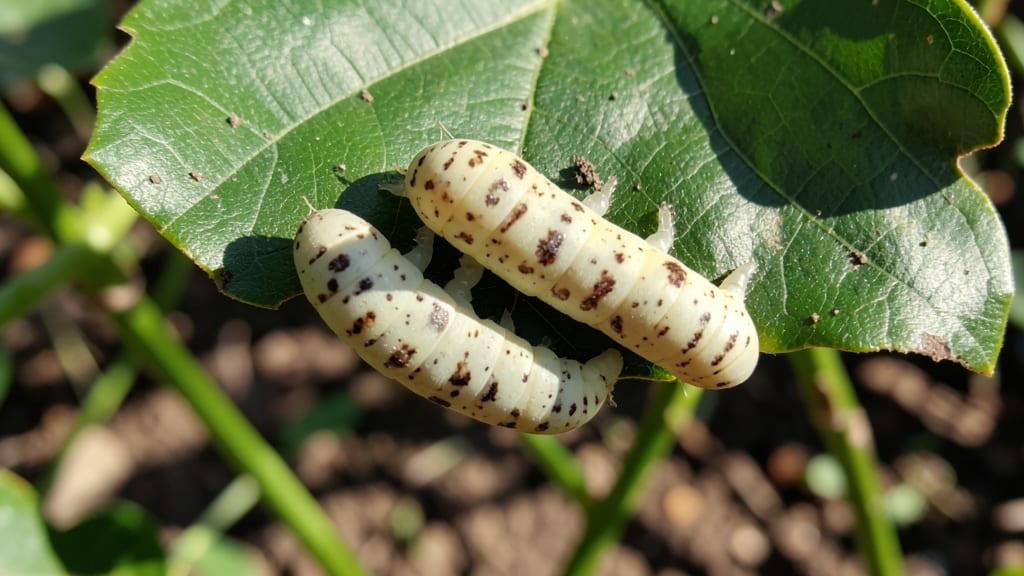
When grubs in trees start turning your yard into a chewed-up mess, you don’t need harsh chemicals to fix it—just targeted, natural solutions.
I’ve seen firsthand how these white, C-shaped larvae can turn healthy trees into skeletal shadows overnight, but the right approach can restore them without poisoning your soil or local wildlife.
The damage usually starts with wilting leaves or sawdust-like frass at the base of the tree—classic signs of grub activity. Most grubs, like Japanese beetle larvae or white grubs, thrive in moist, compacted soil, so the first step is understanding their weak spots.
Beneficial nematodes, neem oil sprays, and encouraging birds like robins to snack on them are my go-to methods, and they work faster than you’d think.
By combining organic treatments with preventive care—like proper mulching, aerating the soil, and keeping trees healthy—you’ll see new growth within weeks. The trees stop wilting, the frass disappears, and your yard regains that lush, thriving look without a single chemical in sight.
This works for any tree type, from young saplings to mature oaks, and the methods scale from small backyards to larger landscapes. Let’s get those grubs out for good—naturally.
Root Causes Of Tree Grubs
When you spot chewed leaves, wilting branches, or tiny white grubs tunneling through tree bark or soil, it’s a sign these pests are at work. But why do they target your trees in the first place?
Understanding the root causes—literally and figuratively—helps you disrupt their life cycle before damage spreads. Here’s a breakdown of the key reasons these destructive larvae appear in your yard.
Grubs, particularly those from Japanese beetles, June bugs, or European chafer beetles, thrive in moist, oxygen-poor soil. Here’s why:
- Excess moisture creates the perfect breeding ground. Adult beetles lay eggs in damp soil, where larvae (grubs) hatch and feed on roots without competition.
- Poor drainage forces grubs deeper into the soil, where they munch on root systems unchecked. This weakens trees, making them susceptible to root rot and topple risks.
- Overwatering (especially in summer) signals to beetles that the area is ideal for egg-laying. A quick check: If water pools on the surface for more than 24 hours, you’ve got a grub magnet.
Actionable fix: Improve drainage with sand or organic mulch, and water deeply but infrequently to dry out the topsoil slightly.
Grubs are drawn to decomposing plant material because it’s rich in nutrients—and easy prey. Common culprits include:
- Thick mulch layers (especially wood chips or grass clippings) trap moisture and provide a buffet for grubs feeding on decaying matter.
- Leaf litter or compost piles near tree bases act as hiding spots for adult beetles to lay eggs.
- Weak or stressed trees (from drought, disease, or poor soil) emit chemical signals that attract egg-laying beetles, as grubs prefer trees already struggling to defend themselves.
Actionable fix: Keep mulch 2–4 inches deep and at least 6 inches away from tree trunks. Rake up leaf debris annually and compost it away from tree roots.
Healthy trees can fend off grubs better than stressed ones. Here’s why weak trees become grub hotspots:
- Lack of nutrients: Trees with deficient nitrogen or phosphorus have softer roots—grubs’ favorite snack. Soil tests reveal imbalances.
- Drought or overwatering: Both conditions stress trees, making them less resistant to pest attacks and more appealing to beetles.
- Competition from weeds or grass: Grubs prefer trees with minimal ground cover because it’s easier to access roots.
- Recent planting or transplant shock: Newly planted trees are vulnerable for up to 2 years as their root systems establish.
Actionable fix: Fertilize with balanced, slow-release granules (10-10-10 ratio) in early spring. Mulch lightly to retain moisture without suffocating roots.
The grubs you see today are the offspring of beetles from last season. Here’s how their life cycle fuels the problem:
| Beetle Type | Peak Activity | Why It Matters |
|---|---|---|
| Japanese Beetles | June–August (adults feed on leaves; lay eggs in turf/soil) | Larvae overwinter in soil, emerging in spring to devour roots. |
| June Bugs | May–July (nocturnal fliers; eggs laid in warm, moist soil) | Grubs take 2–3 years to mature, causing long-term root damage. |
| European Chafer | April–May (adults swarm trees; eggs in upper soil layers) | Grubs target fine root hairs, strangleing trees quickly. |
Actionable fix: Monitor adult beetles during peak flight times. Use traps baited with pheromones (placed far from trees) to reduce local populations. Handpick beetles at dusk when they’re sluggish.
💡 Pro Tip: Grubs are most active in warm, humid conditions (60–80°F). Check for them in early spring (March–April) before they cause irreversible damage. Look for tunnels in bark or sawdust-like frass near the base.
Practical Ways to Remove Tree Grubs
Now that you understand why grubs invade your trees, it’s time to tackle the problem effectively. The good news? You can eliminate these pests naturally without resorting to harsh chemicals.
Below are targeted solutions based on the root cause of the infestation, along with prevention tips to keep your trees healthy long-term.
If you’ve noticed wilting leaves, sawdust-like frass, or holes in the bark, the grubs are already feasting on your tree’s roots or trunk.
Start by inspecting the tree closely—look for: - 🍳 Weak or dying branches (signs of root damage). - 👨🍳 Holes in the bark (entry points for grubs). - 🥘 Sawdust-like debris (frass, a sign of active feeding).
How to fix it:
- Prune affected branches carefully with sterilized shears to prevent spreading damage.
- Scrape off loose bark where grubs may be hiding (wear gloves!).
- Dispose of infested wood in sealed bags—do not compost it.
For young trees or minor infestations, handpicking grubs is the most eco-friendly method. Here’s how:
- 🌡️ Water the soil lightly to soften it (early morning or late evening works best).
- 🎯 Use a trowel or fork to gently loosen the top 6–8 inches of soil around the tree’s drip line (where roots spread).
- 🔍 Look for white, C-shaped grubs (larvae) or brown pupae. Scoop them out with a spoon or your hands.
- 🚮 Drop them in soapy water to kill them instantly.
Pro Tip: 💡 If the infestation is severe, repeat this process every 2–3 weeks during the grubs’ active season (spring and fall).
Grubs thrive in moist, nutrient-rich soil. Disrupt their environment with these organic fixes:
| Treatment | How to Apply | Best Time |
|---|---|---|
| 🥘 Beneficial Nematodes | Mix 1–2 billion nematodes per gallon of water. Apply to soil with a watering can. | Early morning or evening |
| 🌡️ Diatomaceous Earth (DE) | Sprinkle food-grade DE around the base of the tree (avoid direct contact with bark). | Dry, sunny days |
| 🎯 Milky Spore Powder | Work into the top 4 inches of soil (follow package rates). | Spring or fall |
| 🔥 Neem Oil Spray | Mix 2 tbsp neem oil + 1 tsp mild soap per gallon of water. Spray bark and soil. | When grubs are active |
✨ Prevention Tip: 🌱 After treatment, mulch around the tree with wood chips or straw (not fresh grass clippings) to deter future grubs.
Encourage grubs’ natural predators to reclaim your yard:
- 🦋 Ladybugs & Ground Beetles – Plant dill, fennel, or marigolds near trees to attract them. - 🦉 Birds (like robins & starlings) – Install a bird feeder or bath to lure them in. - 🐶 Parasitic Wasps – These sting grubs but won’t harm your trees.
Avoid pesticides to keep them around!
💡 Pro Tip: 🌡️ If you spot toads or centipedes, leave them be—they’re grubs’ worst enemies!
Healthy trees resist grubs better. Strengthen your trees with these habits:
- 💪 Water deeply but infrequently (grubs love soggy soil—avoid overwatering).
- 🌱 Avoid excessive nitrogen fertilizer (grubs adore lush, fast-growing roots).
- 🪓 Prune regularly to remove weak branches where grubs may hide.
- 🌿 Plant grubs-resistant trees like oak, hickory, or black walnut if replanting.
Grubs go through three life stages:
- Eggs (laid in soil in summer).
- Larvae (feed on roots in fall/winter).
- Pupae (transform in spring).
🔥 Best times to treat:
- 🍳 Fall (September–October) – Target larvae before they pupate.
- 👨🍳 Early Spring (March–April) – Hit pupae as they emerge.
- ❌ Skip the soil check – Grubs hide deep; surface treatments alone won’t work.
- ❌ Use chemical pesticides – They kill beneficial insects and harm the environment.
- ❌ Ignore early signs – The sooner you act, the easier the fix!
By combining manual removal, natural treatments, and preventive care, you can protect your trees without chemicals. Stay vigilant, and your trees will thrive grub-free! 🌳💚
Frequently asked questions
What are the most common signs that grubs are damaging my trees?
Look for wilting leaves, sawdust-like frass (chewed bark debris) near the tree base, and holes in the bark. You may also notice weak branches or roots that pull easily from the soil—these are clear indicators grubs are feeding underground.
Can I use neem oil to treat grubs in trees?
Yes! Mix 2 tablespoons of neem oil with 1 teaspoon of mild soap per gallon of water and spray directly on the bark and soil around the tree. The oil disrupts grubs’ feeding and growth, but apply it when they’re active (spring/fall) for best results.
How do I know if my grub problem is severe enough to justify professional help?
If you see over 50% of the tree’s leaves wilting, large patches of frass, or grubs in every shovel of soil you dig, it’s time to call an arborist. Severe cases may require soil treatments like beneficial nematodes or milky spore applied by a pro.
Will birds or toads actually help eliminate grubs?
Birds like robins and starlings love eating grubs, and toads are natural predators too. Install a bird feeder or bath near infested areas, and avoid pesticides—these helpers will do the rest!
Can I prevent grubs from returning next year?
Yes! Improve soil drainage, mulch lightly (2–4 inches), and fertilize with balanced granules (10-10-10). Plant grub-resistant trees like oak or hickory, and avoid overwatering—dry soil deters beetles from laying eggs.