
Pruning
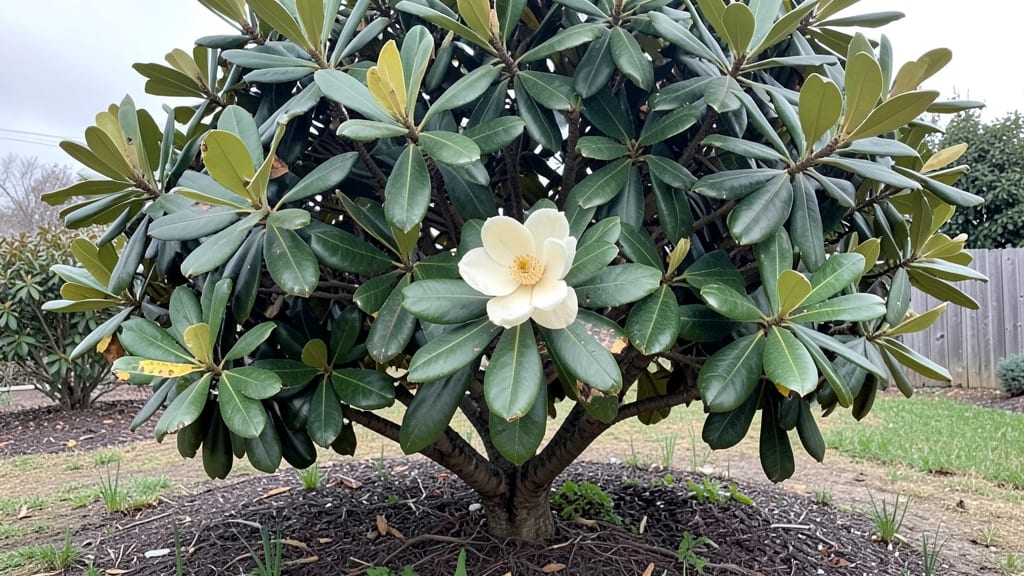
Planting a Felix magnolia tree means adding a fragrant, year-round privacy screen that outshines anything you’ll find at the nursery. ✨ I fell in love with this variety after seeing how its glossy leaves and pink blooms transformed a dull corner of my yard into a showstopper.
The key to getting that same impact starts with the right spot—one with at least 6 hours of sunlight and protection from harsh afternoon winds.
This magnolia thrives in well-draining soil with a slightly acidic pH, but it’s forgiving enough to adapt to most garden conditions once established. Water deeply after planting, then focus on keeping the soil consistently moist (but not soggy) for the first year.
Mulch around the base to lock in moisture and regulate temperature—this simple step saves me hours of maintenance each summer.
By spring, you’ll be rewarded with clusters of rosy-pink blooms that perfume the air, followed by glossy evergreen foliage that stays lush even in winter. The tree grows 8-12 feet tall at maturity, making it perfect for hedges, foundation plantings, or standalone statement pieces.
Pruning is minimal—just shape it lightly after flowering to encourage denser growth.
Watch for scale insects or powdery mildew in humid climates, but Felix magnolias are tougher than they look. With the right care, this tree will reward you for decades—imagine waking up to that signature magnolia scent every spring. Let’s get yours planted right!
📚 In This Guide
- What you need
- Instructions
- Tips and common mistakes
- Wrapping up and next steps
What you need
- ● Felix magnolia tree (1-3 plants, depending on desired screen height—mature height: 15-20 ft)
- ● Shovel or digging spade (for planting)
- ● Garden gloves (to protect your hands)
- ● Mulch (2-3 inches of pine bark or shredded wood)
- ● Pruning shears (bypass type, sharp and sterilized)
- ● Loppers (for thicker branches, 10-12 inch reach)
- ● Fertilizer (balanced 10-10-10 or slow-release granular, 1 lb per tree)
- ● Watering can or hose with nozzle (for deep watering)
- ● Stakes & ties (if planting in windy areas, 3-4 stakes per tree)
- ● Root stimulator (to boost early growth)
- ● Soil test kit (to check pH and nutrient levels—Felix magnolias prefer slightly acidic soil, 5.0-6.5)
- ● Tree guard or protective wrap (for young trees in harsh climates)
- ● Leaf blower or rake (for cleanup after pruning)
- ○ Pruning sealant (for large cuts, optional but reduces disease risk)
Step-by-Step guide to planting and caring for a Felix magnolia tree
This elegant evergreen delivers lush foliage year-round and intoxicating spring blooms—here’s how to grow one that thrives.
🌱 Step 1: Choose the Perfect Planting Location and Prepare the Site
The Felix magnolia (Magnolia grandiflora 'Felix') thrives in full sun to partial shade—at least 6 hours of direct sunlight daily for best bloom production. I always plant mine where the afternoon sun hits, but young trees tolerate morning shade better. Avoid low-lying areas where cold air settles, as this variety is only hardy to USDA Zone 7 and can suffer frost damage.
Dig a hole twice as wide as the root ball but no deeper—this prevents soil compaction around the roots. Amend the native soil with 3 inches of compost mixed into the bottom and sides of the hole. Felix magnolias prefer slightly acidic to neutral soil (pH 5.5-7.0), so test your soil first. If it’s heavy clay, add 2 inches of coarse sand to improve drainage.
🪴 Step 2: Plant the Tree with Proper Spacing and Support
Remove the tree from its container and loosen any circling roots gently with your fingers—never use a knife, as you’ll cut healthy roots. Place the root ball in the hole so the top sits 1-2 inches above ground level (this prevents water from pooling at the stem). Felix magnolias grow 20-30 feet tall and 15-20 feet wide, so space them 15-20 feet apart for privacy screens or 25 feet apart if planting as a single specimen.
Backfill the hole with native soil mixed with compost, tamping down lightly every 6 inches to remove air pockets. Water deeply to settle the soil, then add a 3-inch layer of mulch (like pine straw or shredded bark) over the root zone, keeping it 6 inches away from the trunk. This conserves moisture and regulates soil temperature—critical for young trees.
☀️ Step 3: Water Deeply and Establish a Consistent Care Routine
Water the Felix magnolia deeply once a week for the first two years, ensuring the soil is moist 12 inches down. You’ll know it’s right when water drains freely from the bottom of the hole. Overwatering suffocates roots, so let the top 2 inches of soil dry out between waterings. Once established, these trees are drought-tolerant but still need 1 inch of water weekly during dry spells.
Fertilize in early spring with a balanced, slow-release fertilizer (10-10-10) applied at ½ the recommended rate for large trees. Avoid high-nitrogen fertilizers—they promote leafy growth at the expense of blooms. I also apply 1 inch of compost around the drip line annually in late winter to feed the roots gradually.
✂️ Step 4: Prune for Shape and Health in Late Winter
Felix magnolias bloom on old wood, so prune just after flowering (late spring) or in late winter before buds swell. Remove dead, diseased, or crossing branches first, then thin out 10-20% of the canopy to improve airflow. Never prune more than 25% of the tree at once—this stresses the plant and reduces flowering.
Shape the tree by shortening branches that grow too close together or rub against each other. Use clean, sharp pruners to make cuts just outside the branch collar. Avoid heavy pruning—Felix magnolias respond slowly to aggressive cuts. If a branch is too large to prune properly, make three cuts: the first 6 inches out, the second 3 inches further, and the final cut just outside the collar.
⏰ Step 5: Protect and Maintain for Long-Term Privacy
Young Felix magnolias need winter protection in colder zones. Wrap the trunk with tree guard or burlap in late fall to prevent rodent damage and sunscald. Mulch heavily around the base to insulate roots. Once established, these trees handle winter well but may drop leaves in temperatures below 10°F—this is normal and not a sign of poor health.
Monitor for scale insects, spider mites, or magnolia bark scale—common pests that weaken the tree. Treat infestations early with horticultural oil or neem oil spray applied in early spring before new growth appears. A healthy Felix magnolia should show new growth by late spring and fragrant white flowers in mid-to-late summer, followed by red seed pods that add winter interest.
Tips & tricks for perfect Felix magnolia planting and care
These pro-level insights will help you avoid common pitfalls and maximize your Felix magnolia's potential from day one.
Location is Everything: That 6 hours of direct sunlight requirement in Step 1 is non-negotiable for optimal bloom production. I've learned the hard way that morning sun alone won't cut it—afternoon sun exposure is what triggers those signature fragrant flowers. If your yard only gets morning light, consider planting near a south-facing wall that reflects additional sunlight onto the tree.
Root Ball Handling: When removing your Felix magnolia from its container in Step 2, resist the urge to rush—take those extra minutes to gently separate circling roots with your fingers. I once skipped this step and ended up with a tree that struggled for years because the roots were bound too tightly. The goal is to loosen without damaging, so work slowly and methodically. This careful handling prevents transplant shock and sets your tree up for strong initial growth.
Watering Wisdom: The deep watering once a week for the first two years in Step 3 requires proper technique. Use a garden trowel to create small holes around the root zone before watering—this helps water penetrate deeply to those 12 inches down where the roots need it most. I've seen many gardeners overwater by simply pouring at the base, which creates surface runoff rather than deep hydration. A soil moisture meter is worth the investment here to verify you're hitting that perfect moisture level.
Pruning Precision: When pruning in Step 4, remember that Felix magnolias bloom on old wood, so timing matters. The 10-20% canopy thinning recommendation should focus on removing branches that grow inward or cross each other—these are the ones that create weak points and limit airflow. For larger branches, that three-cut method prevents tearing the bark. I always prune just after flowering when new growth is already underway, giving the tree time to recover before winter.
Pro Tips for Felix Magnolia Tree
- These pro-level insights will help you avoid common pitfalls and maximize your Felix magnolia's potential from day one.
- Location is Everything: That 6 hours of direct sunlight requirement in Step 1 is non-negotiable for optimal bloom production.
- Root Ball Handling: When removing your Felix magnolia from its container in Step 2, resist the urge to rush—take those extra minutes to gently separate circling roots with your fingers.
Frequently asked questions
Got questions about the stunning Felix Magnolia Tree? You’re not alone!
Here are some of the most common inquiries—plus expert answers to help you grow a thriving, fragrant privacy screen with ease.
How fast does a Felix Magnolia Tree grow?
The Felix Magnolia grows at a moderate to fast rate, averaging 12–24 inches per year under ideal conditions. With proper care (sunlight, water, and soil), you can expect a 6–10-foot-tall screen in 3–5 years. Patience pays off—its slow-to-mature blooms (after 5–7 years) are worth the wait!
When is the best time to plant a Felix Magnolia Tree?
Plant your Felix Magnolia in early spring or fall for optimal root establishment. Avoid extreme heat or frost, which can stress young trees. If planting in summer, water deeply 2–3 times per week and mulch to retain moisture. Fall planting (4–6 weeks before frost) gives roots time to settle before winter.
Does the Felix Magnolia Tree lose leaves in winter?
Yes! This deciduous magnolia drops its leaves in late fall but retains its evergreen-like structure thanks to its dense, leathery foliage. While not fully evergreen, it offers year-round visual privacy and stunning winter bark. Bonus: Its fragrant spring blooms emerge before leaves, creating a breathtaking display.
How and when should I prune my Felix Magnolia?
Prune after flowering (late spring to early summer) to shape the tree and encourage bushiness. Avoid heavy pruning—this magnolia blooms on old wood, so trimming too aggressively may reduce flowers. Focus on removing dead branches, crossing limbs, and thinning for airflow. Use clean, sharp tools and sterilize cuts to prevent disease.
What are good alternatives if I can’t grow a Felix Magnolia?
If your climate or space doesn’t suit the Felix Magnolia, consider these fragrant, privacy-friendly alternatives:
- Loropetalum (evergreen, drought-tolerant, pink blooms)
- Camellia (evergreen, winter/spring flowers, shade-loving)
- Crape Myrtle (fast-growing, colorful bark, summer blooms)
- Oakleaf Hydrangea (deciduous, fragrant flowers, fall color)
Wrapping up and next steps
The Felix magnolia tree is a stunning, low-maintenance champion for year-round privacy and fragrance—whether you’re a gardening novice or a seasoned pro. With its glossy leaves, fragrant blooms, and adaptability, it’s the perfect addition to any landscape, offering both beauty and practicality. 🌿
Ready to transform your space? Start by gathering your tools and reviewing the pruning tips shared above. Then, roll up your sleeves and give your Felix magnolia the care it deserves—your garden (and your senses!) will thank you.